BlogUpdated Oct 22, 2026
Two Agencies Oversee Food Inspection in the US, but Who Regulates What? It's Complicated.
Learn how the FDA and USDA oversee food inspections in the US, their responsibilities, and key differences.
Luke Duffy is a Senior Director of Quality & Customer Success with extensive expertise in SQF, BRC, USDA, and FSQA. He specializes in developing food safety programs, leading teams, conducting audits, and guiding clients to achieve GFSI certification success. Luke Duffy led quality at companies like Boston Bakery and Do & Co.

Luke Duffy is an accomplished Food Safety Expert with over 10 years of experience leading quality assurance initiatives across a wide range of food industry sectors—including ready-to-eat (RTE), USDA, FDA-regulated, low-acid foods, produce, and dairy operations. As Director of Quality Assurance at FoodReady, Luke has spearheaded the development and implementation of scalable food safety onboarding programs that help clients achieve GFSI certification within six months.
Luke holds credentials in BRCGS Lead Auditor Training, SQF Practitioner, PCQI, and Certified HACCP Manager, enabling him to guide food businesses through complex regulatory landscapes and global certification processes. He has successfully led numerous companies through audits and inspections under BRC, SQF, FSSC 22000, OSHA, and FDA protocols.
Before joining FoodReady, Luke held food safety leadership roles at DO & CO AG, Wiley Road Foods, Boston Baking, Inc., and as the Founder of Pride Food Safety LLC, where he provided consulting services to small manufacturers striving for FSMA compliance. His hands-on approach to risk mitigation, systems optimization, and employee training has helped organizations navigate third-party audits, resolve safety incidents, and build long-term compliance infrastructure.
Luke earned his Bachelor’s Degree in Nutraceuticals for Health and Nutrition from Technological University Dublin, and is known for his commitment to staying ahead of emerging food safety regulations and best practices. His leadership continues to elevate food safety performance across the supply chain—from plant floor to final product.
Learn how the FDA and USDA oversee food inspections in the US, their responsibilities, and key differences.
Understand SPC vs. SQC, their key differences, and how both help manufacturers improve quality and reduce defects.

Learn what cross-contamination is, its common causes, food safety risks, and practical prevention tips to protect consumers.
Learn how recipe management in the food and beverage industry improves consistency, reduces waste, and streamlines production.
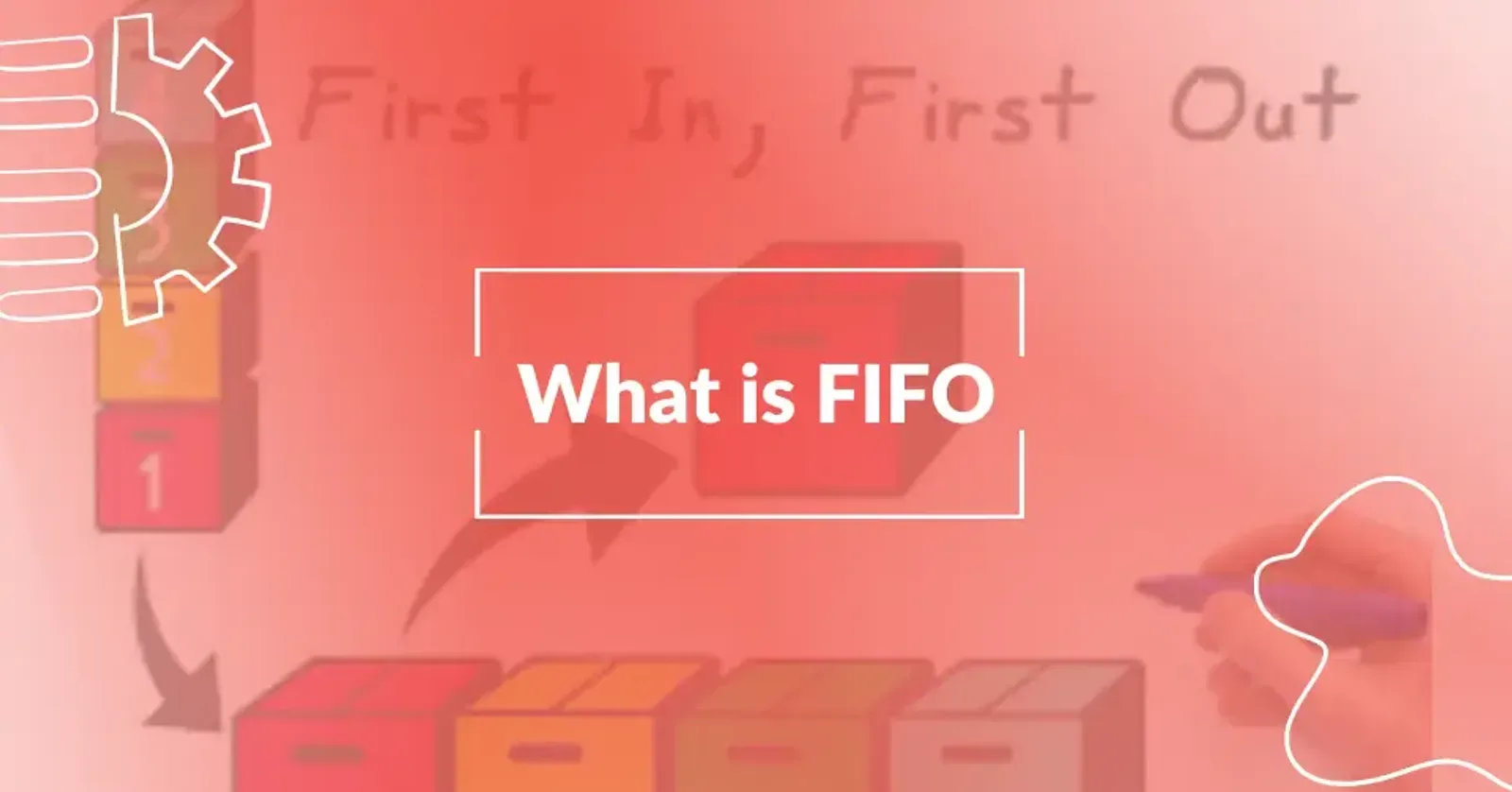
Learn what FIFO means in food storage and how it helps manage inventory, reduce waste, and maintain freshness.
Discover four essential food preparation safety rules to prevent contamination, maintain proper hygiene, and reduce foodborne illness risks.
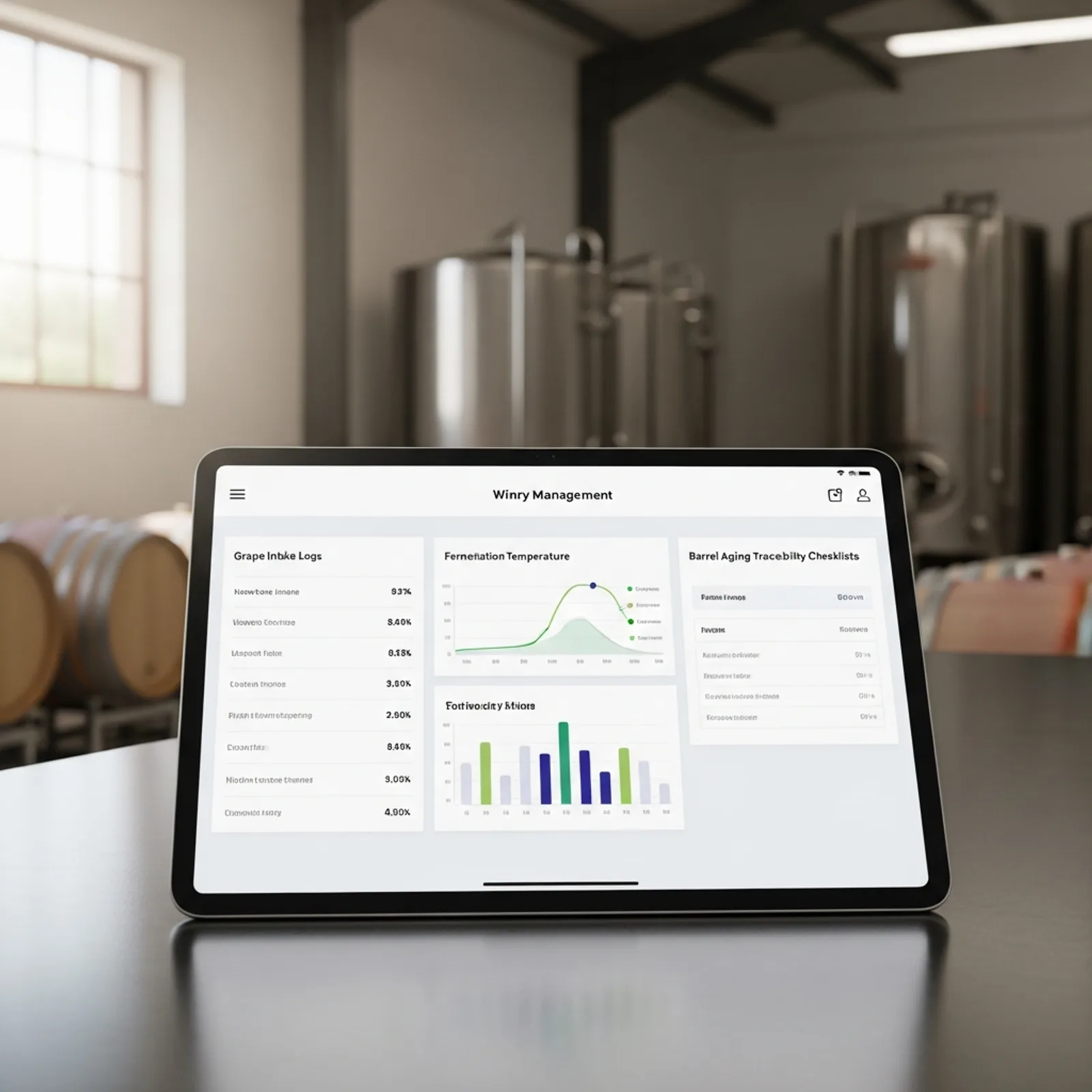
Discover the best winery management software to streamline production, inventory, compliance, traceability, and quality, all from one powerful platform.
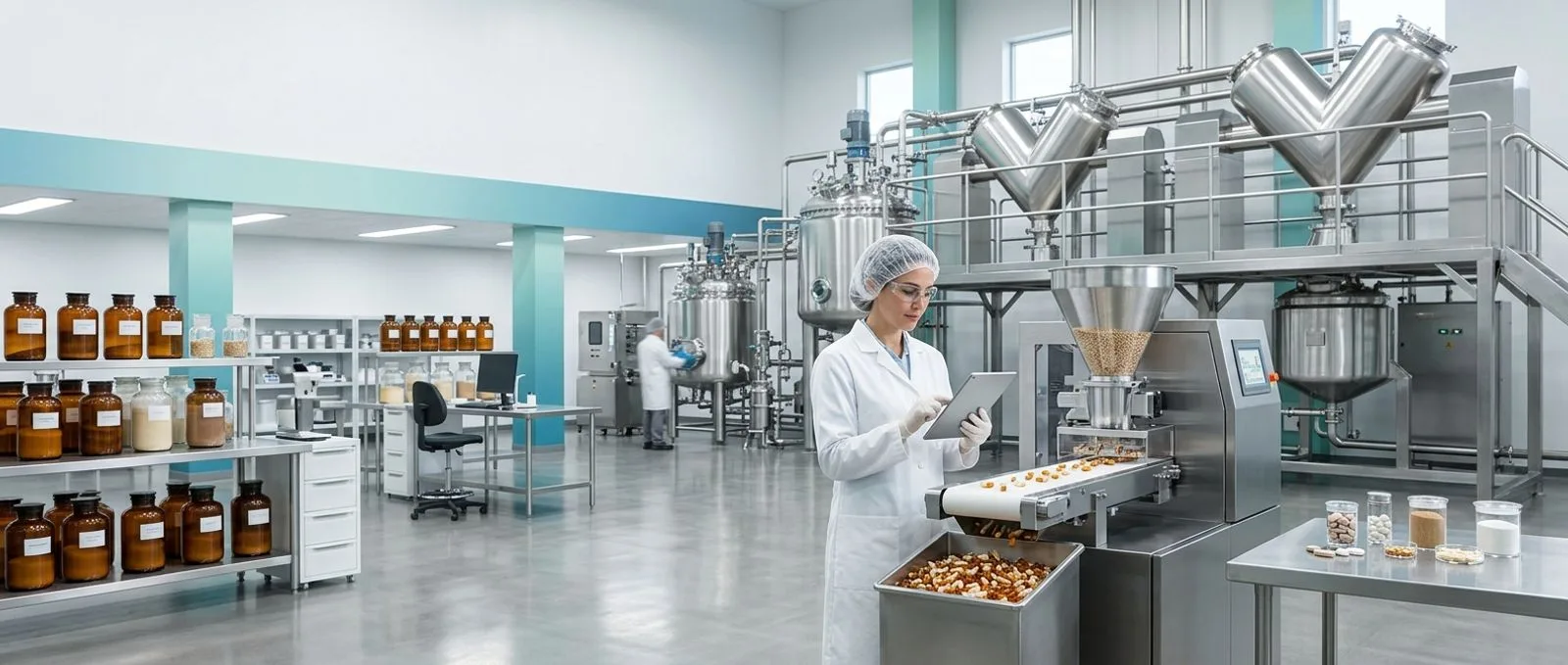
Compare 10 leading software platforms for nutraceutical and dietary supplement manufacturing. We evaluate formula control, GMP quality workflows, lot traceability, production, inventory, integrations, pricing, and fit for businesses of different sizes.

Compare 10 quality control software platforms for food manufacturing, including QMS depth, supplier quality, traceability, pricing, implementation, and best-fit use cases. This guide gives quality leaders a practical framework for choosing software that fits their plants, processes, and compliance obligations.

Compare 10 sanitation software platforms for food plants, restaurants, commissaries, and multi-site operations. This guide evaluates digital inspections, verification records, corrective actions, analytics, integrations, usability, and overall value.
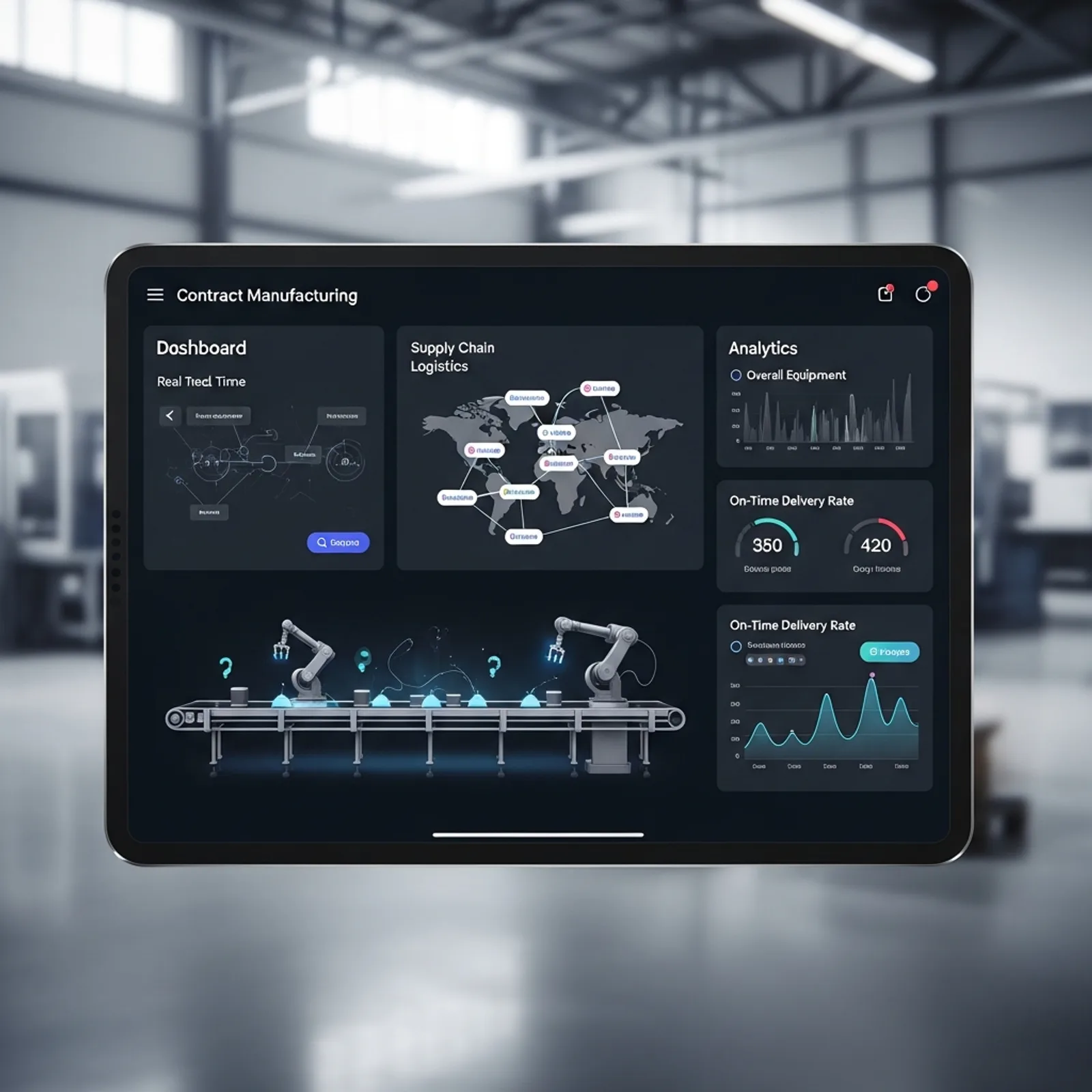
Managing external production partners requires absolute visibility, strict quality control, and seamless supply chain integration. We review the best contract manufacturing software platforms of 2026, analyzing their features, pricing, and compliance capabilities.