

North Carolina Food Safety Consultant
HACCP, Preventive Controls, Produce Safety, and SQF programs for North Carolina's packing houses, protein processors, and food and beverage manufacturers.
North Carolina grows and processes food at a scale few states match. It produces roughly 60 percent of the nation's sweet potatoes, ranks among the top states for hogs and turkeys, and has built a dense base of further processors, co-packers, and craft beverage makers from the coastal plain to Asheville. That range creates a question we answer constantly: are you a farm under the Produce Safety Rule, or a registered facility under preventive controls? The answer changes your registration, your plan, and your audit. We do the hands-on work of settling that question, then building the food safety plan, prerequisite programs, and traceability that follow from it — and we rehearse the audit before it happens. We build it with your team, not as a course you finish alone.

From the nation's sweet potato belt to poultry, pork, and craft beverage
North Carolina's food economy runs on two engines that rarely meet in the same conversation. One is agriculture at national scale: sweet potatoes from the sandy soils around Sampson, Johnston, and Nash counties, along with cucumbers, blueberries, and peanuts, much of it washed, cured, graded, and packed within a few miles of where it grew. The other is protein and manufacturing: poultry and pork further processing, dairy, snack and bakery co-packing, and a craft beverage sector that turned Asheville and the Triangle into serious production hubs. What ties them together is that both increasingly sell into buyers who audit. A packing house shipping to a UK retailer and a further processor supplying a national grocery chain face the same reality — the regulator sets the floor, and the customer sets the bar. We build programs that clear both, and that answer to the right North Carolina agency.
Where packing ends and manufacturing begins
This is the most consequential distinction in North Carolina food compliance, and the one most often assumed rather than confirmed. Adding a single processing step can move you from produce safety into preventive controls — and the two rules ask for different things.
Farms and packing houses
Growing, harvesting, washing, curing, grading, and packing raw commodities generally falls under the Produce Safety Rule, with agricultural water, worker hygiene, and equipment sanitation at the center — not a HACCP plan.
Registered food facilities
Once you cut, cook, blend, dry, or add an ingredient, you are usually a facility under preventive controls: FDA registration, a written food safety plan, a PCQI, and supply-chain controls.
Operations doing both
Many North Carolina businesses pack raw product on one line and manufacture value-added product on another. That means two regimes under one roof, and both sets of records have to stand on their own.
Protein processing and craft beverage, each with its own rulebook
Two of North Carolina's largest food sectors answer to almost entirely different authorities. Knowing which set of expectations applies to your plant determines how the plan gets written.
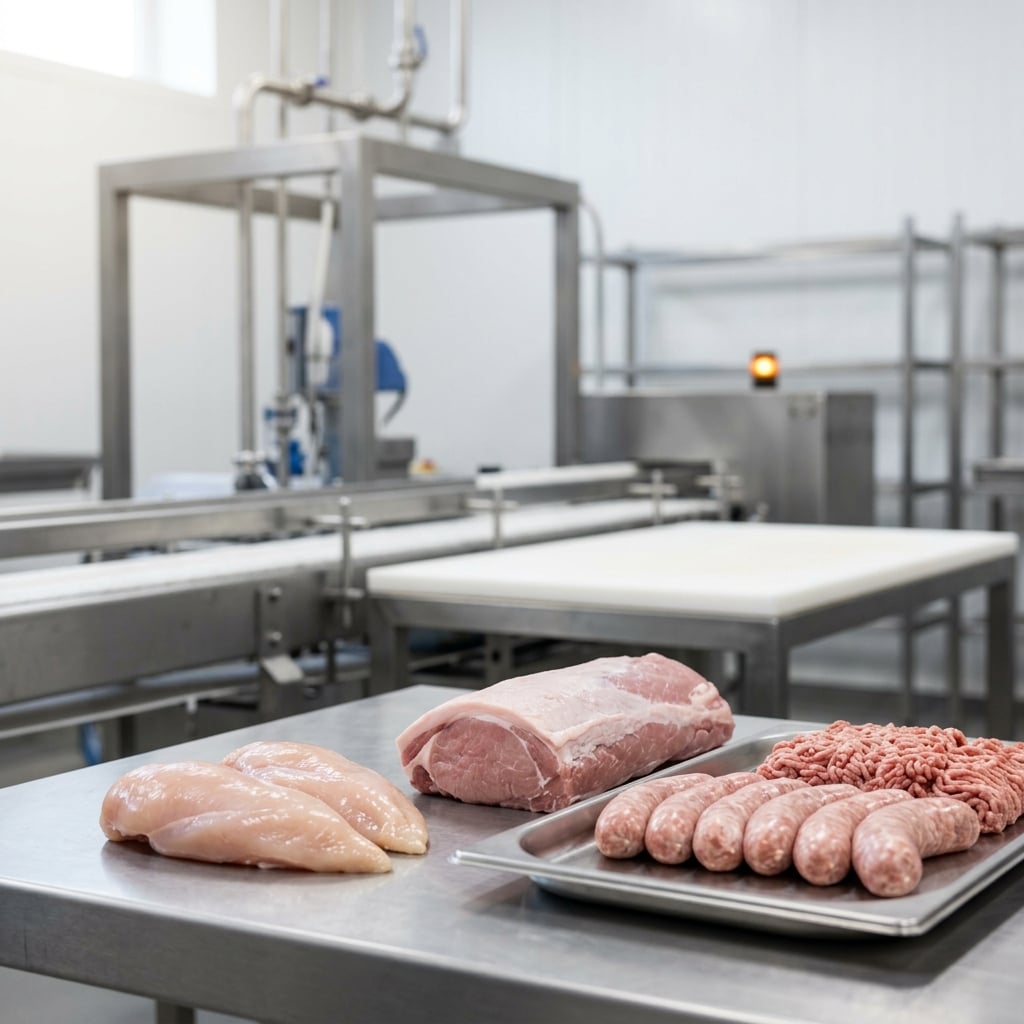
POULTRY, PORK, AND FURTHER PROCESSING
Where USDA-FSIS sets the terms
North Carolina is a national leader in turkey and hog production, and the further-processing plants around it work under continuous or daily USDA inspection rather than FDA's periodic model.
HACCP plans with validated critical limits and lethality steps Sanitation SOPs and pre-operational inspection records Listeria monocytogenes control for ready-to-eat lines Labeling, nutrition claims, and establishment number use

CRAFT BEVERAGE AND SPECIALTY FOODS
Sauces, snacks, and the state's brewing base
Asheville, Charlotte, and the Triangle support hundreds of breweries, distilleries, and specialty food makers, most of them scaling from taproom or farmers market into distribution.
Preventive controls plans sized for small manufacturers Acidified foods filings and scheduled processes where pH applies Allergen control and label review before print GFSI readiness for regional and national grocery buyers
Three authorities, and the one you answer to depends on what you make
North Carolina consolidates more food oversight inside the Department of Agriculture than most states, which simplifies some questions and complicates others. Where you land depends on your product, your process, and where you ship.
NCDA&CS Food and Drug Protection
The Department of Agriculture and Consumer Services inspects food manufacturers, packers, and warehouses, runs the state's FDA contract inspections, administers the Produce Safety Rule through its own produce safety program, and oversees dairy under the PMO.
- MANUFACTURERS
- PACKING HOUSES
- WAREHOUSES
- DAIRY
NC DHHS Environmental Health
Health and Human Services sets retail food rules under the state Food Code, but inspections are carried out by county health departments — so permitting, fees, and plan review differ between Wake, Mecklenburg, and Buncombe counties.
- RESTAURANTS
- RETAIL
- INSTITUTIONAL
USDA-FSIS and state meat inspection
North Carolina runs a Meat and Poultry Inspection Division recognized as at least equal to federal inspection, so smaller plants can choose state inspection — but interstate shipment requires federal inspection or the Cooperative Interstate Shipment program.
- MEAT
- POULTRY
- EGG PRODUCTS
Right-sized programs for how North Carolina grows and makes food
Packing houses and grower-packers
Sweet potato, cucumber, blueberry, and produce operations under the Produce Safety Rule and buyer audits.
Protein and further processing
Poultry and pork further processing under USDA-FSIS, including ready-to-eat lines and Listeria control.
Co-packers and specialty foods
Contract manufacturers making sauces, snacks, and bakery goods to other companies' specifications.
Craft beverage producers
Breweries, distilleries, and beverage makers scaling from taproom into statewide distribution.
Dairy processors
Fluid milk and cheese operations working under the Pasteurized Milk Ordinance and NCDA&CS oversight.
Warehousing and cold chain
Cold storage and distribution operations carrying traceability, sanitary transport, and supplier obligations.
Whatever your buyers, licenses, and inspectors require
We prepare North Carolina facilities for the certifications and regulatory frameworks that retailers, distributors, and inspectors expect, then keep the program running between audits.
HACCP
SQF
BRCGS
FSSC 22000
PrimusGFS
FSMA Preventive Controls
Produce Safety Rule
GMP and cGMP
USDA-FSIS
GFSI-aligned
Software that keeps a packing house or plant organized
Consulting gets you certified. The platform keeps you ready. Built with expert food safety guidance and tailored to different industries, it produces the organized records that auditors, buyers, and North Carolina inspectors expect to see.
AI HACCP Builder
Pre-built templates cut HACCP and preventive controls plan development from hours to minutes, with expert guidance built in.
AI SOPs and Checklists
Automatically generates SOPs and checklists, flags missed tasks, and keeps pre-operational records on track.
Batch & Inventory
Real-time tracking of production, inventory, and cost, reducing the errors that create compliance gaps.
Traceability and Recall
Links incoming lots to finished products for fast mock recalls and clean, defensible traceback exercises.
Supplier Compliance
Automates supplier and grower document management, cutting manual effort and adding transparency across the season.
Live Monitoring and Alerts
Dashboards track KPIs in real time and send instant alerts on incidents so you can act quickly.
A clear line from jurisdiction to a program that passes
Map and assess
We settle whether you are a farm, a facility, or both, confirm which North Carolina authority inspects you, then measure your operation against your target standard.
Build
We create or refine hazard analysis, preventive controls or produce safety programs, SOPs, agricultural water and sanitation controls, supplier approval, and traceability.
Verify
We design environmental monitoring, pathogen testing, and verification activities so the program holds up through peak season, not just on a quiet day.
Rehearse
We run a mock audit, coach your recordkeepers, and close remaining gaps with effective corrective actions before the inspector or certification body arrives.
Co-Founder & Chief Food Safety Officer
Meet the Lead of Our Expert North Carolina Food Safety Consultant Team
Driven to ensure organizational requirements meet the challenges of technology integration with sound food safety and quality planning with focus on risk mitigation and prevention. Technical expertise in audit standards, lead instructor via accredited programs, and community leader to advance local / national food ecosystems.

What food and beverage teams say about working with us
"We use the checklist features the most. We like that they can keep everything organized and easy to respond to. We are excited for the new features that help assign and schedule items as well."
"The mobile app is the software most often used by our team, it is helpful for tracking incoming supplies, and managing production runs. Checklists ensure a consistent quality of product and attention to detail throughout the process."
"The transparency and accountability FoodReady provides."
"Having FoodReady has reduced the need to have two of me on staff. I would need another person just to handle the paperwork alone. That’s a major cost saving right there, not to mention the environmental impact and reduction in the cost of paper used daily."
North Carolina food safety consulting, answered
We wash, cure, and pack sweet potatoes. Are we a farm or a food facility?
Most likely a farm under the Produce Safety Rule. Washing, curing, sorting, grading, and packing raw agricultural commodities are generally considered harvest and packing activities, which means agricultural water quality, worker health and hygiene, equipment sanitation, and biological soil amendments drive your program — not a HACCP plan. But the line moves the moment you add a processing step. Slicing, dicing, cooking, dehydrating, or blending with another ingredient typically makes you a registered facility subject to preventive controls, with an FDA registration renewed every even-numbered year and a written food safety plan prepared by a PCQI. Operations that do both need both, kept separate and documented separately. We confirm your status in writing before anyone builds a program on an assumption.
Does North Carolina inspect our plant, or does FDA?
In practice, usually NCDA&CS. The Food and Drug Protection Division inspects food manufacturers, packers, and warehouses in the state, and it performs FDA contract inspections — meaning a state inspector may arrive conducting a federal inspection under agreement. The same division administers the Produce Safety Rule through the state's produce safety program and regulates dairy under the Pasteurized Milk Ordinance. Meat and poultry are different: those go to USDA-FSIS or to North Carolina's own Meat and Poultry Inspection Division. Retail and restaurants are different again, handled by county health departments under state Food Code rules. Knowing which door you are standing in front of determines what documentation you should have ready.
Can we use state meat inspection instead of USDA, and still ship out of state?
North Carolina operates a state Meat and Poultry Inspection program that FDA and USDA recognize as at least equal to federal inspection, and many smaller processors choose it. The catch is jurisdiction: product bearing the state mark of inspection is generally limited to sale within North Carolina. To ship across state lines you either operate under federal inspection or qualify for the Cooperative Interstate Shipment program, which lets selected state-inspected establishments with 25 or fewer employees ship interstate under federal marks with additional oversight. The decision has real consequences for your labeling, your customer base, and your growth plan, so it is worth settling before you commit to a market.
Our brewery is starting to package sauces and snacks. What changes?
More than most producers expect. Beer production sits largely under TTB and state alcohol regulation, but the moment you manufacture food products you become a food facility under FDA, with registration, preventive controls, and allergen management obligations. If any of those products are acidified — many hot sauces and pickled items are — you may also need a scheduled process from a process authority and an FDA process filing before commercial distribution. Labels get scrutinized too: allergen declarations, net weight, and nutrition formatting are common findings. We routinely take taproom-scale producers through this transition without stalling the launch.
A national grocery buyer is asking for SQF. How long does that take?
For a facility with functioning prerequisite programs, a realistic path to a first SQF certification audit is three to six months. The work divides into building the system, running it long enough to generate genuine records, and then rehearsing the audit. Certification bodies want to see evidence that the program has actually operated — completed monitoring logs, verification activities, internal audits, and corrective actions with real dates. That history cannot be created retroactively, which is why the timeline rarely compresses below three months. We front-load documentation, then use the operating period to coach the team that will actually be answering the auditor's questions.
How does peak harvest season affect how our program should be written?
Significantly, and it is one of the most common weaknesses we find. A packing house that runs a skeleton crew in February and three shifts of seasonal workers in September needs a program written for September. That means training that can be delivered quickly and verified for new hires, sanitation schedules that hold up at volume, monitoring frequencies that stay realistic when lines run long, and supervision that does not depend on one person being everywhere. Auditors and inspectors know this, and they sample records from your busiest weeks precisely because that is where gaps appear. We build for the peak and let the quiet months be easy.
Talk to a food safety expert about your North Carolina operation
Book a free consultation with our food safety and quality team, and get a clear path to your North Carolina registration, inspection, or retail launch.
Speak with our Expert Consultants
15–30 minutes. We map FoodReady to your process, plug in your real HACCP plan, and show you the auditor view before the call ends.