

Miami Food Safety Consultant
HACCP, FSVP, and SQF programs for the importers, Latin brands, and processors who move food through South Florida.
More food from Latin America and the Caribbean enters the country through Miami than almost anywhere else, and much of it is handled by importers, distributors, and re-packers who are legally on the hook for its safety. Around that trade sits a vibrant maker economy: Cuban coffee and croquetas, guava and plantain, tropical juices, sofrito and spice, sold under Hispanic brands that are scaling into national retail. Whether food reaches you by container ship or comes off your own line in Doral, we do the hands-on work of building your food safety and import-compliance programs, then rehearse the audit so nothing surprises you. We build it with your team, in English or Spanish, not as a course you finish alone.

The gateway between two continents, and the brands it grew
Miami is where food trade for the hemisphere lands. Produce, seafood, and specialty goods arrive year round from across Latin America and the Caribbean through PortMiami and the airport, feeding a dense layer of importers, distributors, and cold-storage operators. That same flow of ingredients and culture built one of the country's great Hispanic food-manufacturing scenes, from Cuban roasters and croqueta makers to tropical-fruit packers in Homestead and beverage brands in Wynwood and Doral. Two very different compliance worlds, imported food on one side and domestic manufacturing on the other, often meet inside a single South Florida company. We work across both.
If food crosses a border to reach you, you own its safety
Bringing food into the United States is not just a customs formality. Under FSMA, the importer of record carries real, documented responsibility for what arrives, and a gap can mean detention or refusal at the dock. Three obligations trip up South Florida importers most often.
OBLIGATION 01 - Foreign Supplier Verification
You must build and follow an FSVP for each food and supplier, verifying they meet US standards, the food is not adulterated, and allergens are labeled correctly.
OBLIGATION 02 - Prior Notice and registration
Every shipment needs FDA Prior Notice before arrival, and the foreign facility must hold a current registration, renewed in even-numbered years.
OBLIGATION 03 - Product-specific rules
Imported seafood suppliers must meet 21 CFR 123, juice must meet its HACCP rule, and canned items may need FCE and process filings.
Cuban, Caribbean, and Latin flavor, produced at real scale
Miami's makers turn heritage recipes into shelf-stable and refrigerated products for grocery nationwide, and each category brings its own hazards. We tailor the plan to what you actually produce.

COFFEE, BAKERY, AND PREPARED FOODS
Cafecito, croquetas, pastelitos, and beyond
Roasting, baking, and prepared Latin foods span shelf-stable and refrigerated ready-to-eat lines, where pathogens, allergens, and shelf life all come into play at once.
- RTE pathogen control and environmental monitoring
- Allergen control across shared, high-mix lines
- Shelf-life, water activity, and preservation validation
- Bilingual SOPs your production floor will actually use

TROPICAL PRODUCE AND BEVERAGE
Guava, plantain, citrus, and tropical drinks
Tropical-fruit packing, purees, and juices, plus the beverage and kombucha makers of the district, run on acidification, process filing, and cold-chain discipline.
- Juice HACCP under 21 CFR 120 and acidified filings
- Produce Safety Rule and fresh-cut GMP programs
- Process authority support and scheduled processes
- Cold-chain, traceability, and FSMA 204 readiness
Two compliance tracks meet in most Miami companies
A South Florida operation often makes food and imports it under the same roof, which means two distinct sets of rules. We map both so neither one catches you out.
If you make it here
Florida FDACS and state rules
- FDACS food permit
Manufacturers, packers, and warehouses hold an annually renewed Florida food establishment permit under the Division of Food Safety, with FDACS running FDA contract inspections.
- DBPR and DOH where they apply
Caterers and mobile units fall under DBPR, and institutional food service under DOH, so mixed operations can touch more than one agency.
- Federal manufacturing rules
Interstate sales bring FDA Preventive Controls under 21 CFR 117 and, for covered foods, FSMA 204 traceability.
If it crosses the border
FDA import requirements
- FSVP for each supplier
The US importer builds and maintains a verification program per food and supplier, kept ready for FDA to request through its portal.
- Prior Notice and registration
Each shipment is announced to FDA in advance, and the foreign facility keeps a current registration and US agent on file.
- Detention and import alerts
A weak record risks examination, detention, or refusal, and a place on an import alert. A clean FSVP keeps product moving.
Built for the many kinds of food company in South Florida
Importers and distributors
Food and seafood importers carrying FSVP, Prior Notice, and supplier-verification duties.
Latin and Caribbean brands
Hispanic specialty, coffee, and prepared-food makers scaling from local to national retail.
Tropical fruit and produce
Homestead packers and fresh-cut operations under the Produce Safety Rule.
Seafood processors
Biscayne Bay and Broward seafood operations under 21 CFR 123 seafood HACCP.
Beverage and craft makers
Juice, tropical drink, kombucha, and craft brewers handling acidification and filings.
Co-packers and cold storage
Contract manufacturers and refrigerated warehouses juggling many customer specifications.
From HACCP to GFSI, matched to your buyers and your border
We prepare South Florida facilities and importers for the certifications, retail audits, and federal rules that decide whether product ships, then keep the program alive between audits.
HACCP
SQF
BRCGS
FSSC 22000
FSVP and FSMA 204
FSMA Preventive Controls
GMP and cGMP
GFSI-aligned
One system for your plans, your suppliers, and your import records
Our consultants get you compliant, and the platform keeps you there. Built with expert guidance and tuned to different industries, it holds the documentation that FDA, buyers, and Florida inspectors expect, including the supplier records importers have to produce on demand.
AI HACCP Builder
Pre-built templates cut HACCP plan development from hours to minutes, with expert guidance built in.
AI SOPs and Checklists
Automatically generates SOPs and checklists, flags missed tasks, and keeps protocols on track.
Batch and Inventory
Real-time tracking of production, inventory, and cost, reducing errors that create compliance gaps.
Traceability and Recall
Links ingredients to finished products for fast mock recalls and clean, defensible audits.
Supplier Compliance
Automates supplier document management and updates, cutting manual effort and adding transparency.
Live Monitoring and Alerts
Dashboards track KPIs in real time and send instant alerts on incidents so you can act quickly.
Four moves from first look to product that ships and passes
Scope
We identify which tracks apply to you, domestic manufacturing, import, or both, and measure you against your target standard, ending in a prioritized plan.
Build
We create or refine hazard analysis, preventive controls, FSVP and supplier verification, SOPs, and traceability, in English and Spanish.
Verify
We design environmental monitoring and sanitation controls, and pressure-test import records, so everything holds up under real scrutiny.
Rehearse
We run a mock audit or records review, coach your team, and close remaining gaps with effective corrective actions before the real thing.
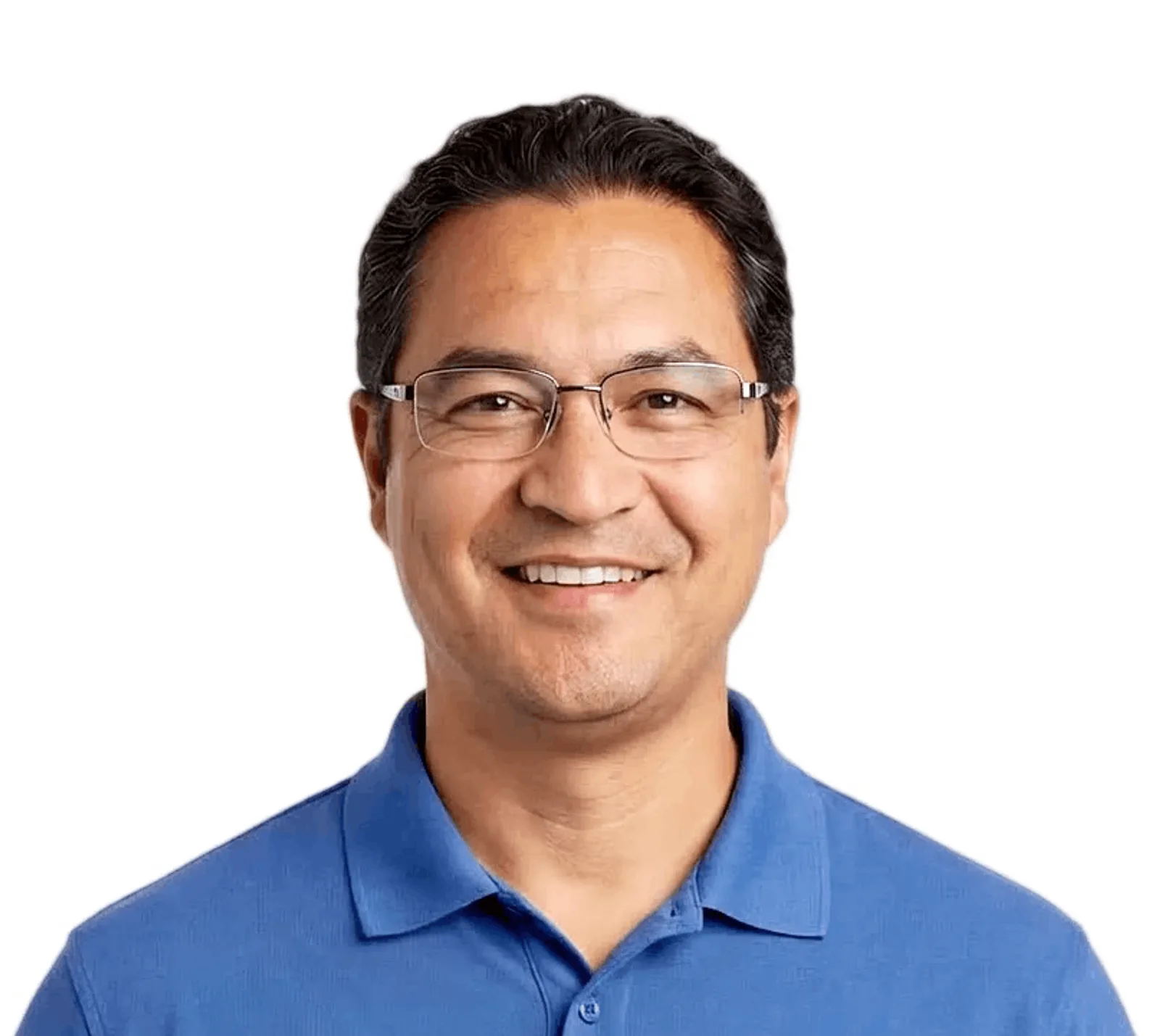
Co-Founder & Chief Food Safety Officer
Meet the Lead of Our Expert Miami Food Safety Consultant Team
Driven to ensure organizational requirements meet the challenges of technology integration with sound food safety and quality planning with focus on risk mitigation and prevention. Technical expertise in audit standards, lead instructor via accredited programs, and community leader to advance local / national food ecosystems.
Operators who trusted us with their audit
"There are so many parts of the software that we absolutely love! The inventory is probably one of our favorite parts though."
"We are in the midst of our USDA audits and could not have survived any of the pre/post audit stuff without FoodReady."
"FoodReady is much cheaper than hiring a full-time QA specialist. It seems like there won’t be any problems as we scale, so I believe it will continue to save us money well into the future."
"The Foodready app is a helpful, easy-to-use tool that helps us stay organized."
What South Florida food businesses want to know
We import food into Miami. What are we actually responsible for?
As the US importer, you generally need a Foreign Supplier Verification Program for each food and supplier, FDA Prior Notice for every shipment, and a foreign facility that holds current FDA registration. You verify your supplier meets US standards and keep records ready for FDA. We build and maintain that whole program with you.
Who permits food manufacturers in Florida?
The Florida Department of Agriculture and Consumer Services permits manufacturers, packers, and warehouses under an annually renewed food establishment permit, and also runs FDA contract inspections. Caterers and mobile units fall under DBPR, and interstate sales bring FDA jurisdiction.
Do you work in Spanish?
Yes. Our consultants support South Florida's bilingual workforce, and we build SOPs, training, and records in English and Spanish so the people running your program understand it and can show it clearly to an auditor.
We both import and manufacture. Does that double our compliance?
It adds a second track rather than doubling the work if it is built well. We map your domestic FDACS and FSMA obligations alongside your import and FSVP duties, then build one coordinated program so a single system covers both sides of the business.
Can you prepare us for SQF, BRCGS, or other GFSI audits?
Yes. We prepare facilities for SQF, BRCGS, and FSSC 22000, plus HACCP, FSMA Preventive Controls, GMP and cGMP, and USDA documentation. We run gap assessments, build documentation, run mock audits, and coach staff. We do not provide certification training.
Our shipment was detained. Can you help us recover?
Yes. We help importers respond to detention and refusal, build or repair the FSVP and records FDA is looking for, and put controls in place to keep future shipments moving. The goal is a clean program that keeps you off import alerts.
Talk to a food safety expert about your Miami operation
Book a free consultation with our food safety and quality team, and get a clear path to your next Florida permit, FSVP program, audit, or retail launch.