

Boston Food Safety Consultant
Seafood HACCP, Preventive Controls, and SQF programs, built for New England processors, producers, and cold storage operators.
Few cities put as much pressure on a food safety plan as Boston. A seafood processor on the South Boston Waterfront, a brewery in Somerville, a bakery in Jamaica Plain, and a cold storage operator near Logan all answer to different rules, and often to the same buyer's audit. We do the hands-on work of building or upgrading HACCP and seafood HACCP plans, Preventive Controls, sanitation, and traceability, then run mock audits so certification day is predictable. We are a done-with-you consulting partner, not a training provider.

A working seafood port, wrapped in a modern specialty food scene
Boston's food economy is anchored by the seafood cluster on the South Boston Waterfront, from the historic Fish Pier to the newer processing plants in the Raymond L. Flynn Marine Park, home to names like Legal Sea Foods, North Coast Seafoods, Boston Sword and Tuna, and Red's Best. As local wild catch has given way to fresh fish flown in from around the world through Logan, the industry has shifted toward processing, cold chain, and traceability rather than simply landing fish. Around that core sits a dense mix of craft breweries, commercial bakeries, specialty and ethnic food makers, commissary kitchens, and the distributors and cold storage that move it all. Each of these carries a different regulatory and audit reality, and we build programs that fit the specific one you operate in.
Seafood HACCP is its own discipline, and Boston lives on it
Seafood processors and importers operate under mandatory FDA seafood HACCP (21 CFR Part 123), which is separate from the Preventive Controls rule that covers most other foods. A generic HACCP plan will not pass a seafood audit. We build species-and-process-specific hazard plans grounded in the FDA Fish and Fishery Products Hazards and Controls Guidance, then wire in the sanitation, monitoring, and records that verify them. Common hazards we control for include:
- Histamine and scombrotoxin in tuna, mahi, and mackerel
- Pathogen survival and growth in RTE and cooked product
- Aquaculture drug residues in farmed species
- Environmental chemical contaminants and heavy metals
- Parasites in species intended for raw consumption
- Decomposition and time and temperature abuse in the cold chain
Shellfish and imported product
Wholesale and retail shellfish dealers in Massachusetts follow the National Shellfish Sanitation Program, and shellfish tags and records are a frequent audit failure point. For the large share of Boston product that is now imported and air-freighted, we align lot tracking and cold-chain records to FSMA 204 so traceability holds up for both regulators and buyers. Our HACCP consultingteam has built these plans for cooked, raw, and RTE seafood operations.

Which license and which agency, before you build the program
Massachusetts runs its wholesale food program at the state level under 105 CMR 500, the Good Manufacturing Practices for Food regulation, and seafood adds a second permitting layer. Sorting out which licenses apply is the first thing we do, because the wrong assumption here can stall a launch.
Wholesale food license - MA DPH FOOD PROTECTION
Anyone who manufactures, packs, or distributes food for wholesale in Massachusetts needs a license from the Department of Public Health under M.G.L. c. 94, and must meet the GMP requirements in 105 CMR 500.
Seafood dealer permit - DPH + MARINE FISHERIES
Wholesale and retail seafood dealers, and wholesale seafood trucks, need a permit issued jointly by DPH and the Division of Marine Fisheries. This is separate from the general wholesale food license and is specific to seafood operations.
Shellfish handling - NSSP MODEL ORDINANCE
Dealers that handle shellfish follow the National Shellfish Sanitation Program guidelines, including strict tagging, source, and record controls that auditors and inspectors examine closely.
Cold storage and warehouse - MA DPH
Cold storage, refrigerating warehouses, and food warehouses carry their own state licenses. Given how much Boston product moves through temperature-controlled space, this often applies alongside a manufacturing license.
Federal overlay - FDA AND USDA
Interstate sales bring FDA jurisdiction, FSMA Preventive Controls, and seafood HACCP. Meat and poultry fall under USDA. We map your products across all of these so one program satisfies every one that applies.
Startups and residential kitchens - DPH + LOCAL BOH
Producers moving from a residential or shared kitchen into wholesale need a state license once they sell to resellers, while retail and direct sale stay with the local board of health. We help you time that transition cleanly.
Programs shaped to your operation, not a template
Seafood and shellfish processors
Cooked, raw, RTE, and value-added seafood on the waterfront and in the marine park, under 21 CFR Part 123.
Importers and cold storage
Air-freighted and containerized product moving through Logan and temperature-controlled warehouses.
Craft breweries and beverage
Somerville, Dorchester, and across the metro, from taproom production to packaged distribution.
Bakeries and specialty foods
Jamaica Plain, Cambridge, and the wider area, including ethnic and specialty product lines.
Commissary and RTE kitchens
Shared and commissary production scaling into wholesale and retail accounts.
Distributors and warehouses
Greater Massachusetts distribution operations that need traceability and supplier controls.
One team across every scheme your buyers ask for
We prepare Boston facilities for the certifications and regulatory frameworks that retailers, distributors, and auditors expect, then keep the program running between audits.
HACCP
FSMA Preventive Controls
SQF
BRCGS
FSSC 22000
GMP and cGMP
GFSI-aligned
USDA
From gap assessment to audit day
Our objective is a practical, sustainable program that passes certification and is easy for your team to run, without burying them in paperwork. We partner with operations, QA, and leadership through each step and verify the system performs before the auditor arrives.
Gap Assessment
An on-site or virtual review that maps flows, zoning, and controls, and identifies gaps against your target standard, ending in a prioritized action plan tied to your audit date.
HACCP and documentation
We build or refine your hazard analysis, seafood HACCP or preventive controls, SOPs and prerequisite programs, supplier approval, and recall and traceability, with practical forms and version control.
Environmental monitoring
For RTE and higher-risk areas we design zone mapping, swab frequencies, Listeria and Salmonella strategies, trending, and corrective actions, supported by digital scheduling and capture.
Mock audit and verification
We run a focused mock audit, coach your recordkeepers, confirm the system works on the floor, and help close remaining gaps with effective CAPAs so certification day is predictable.
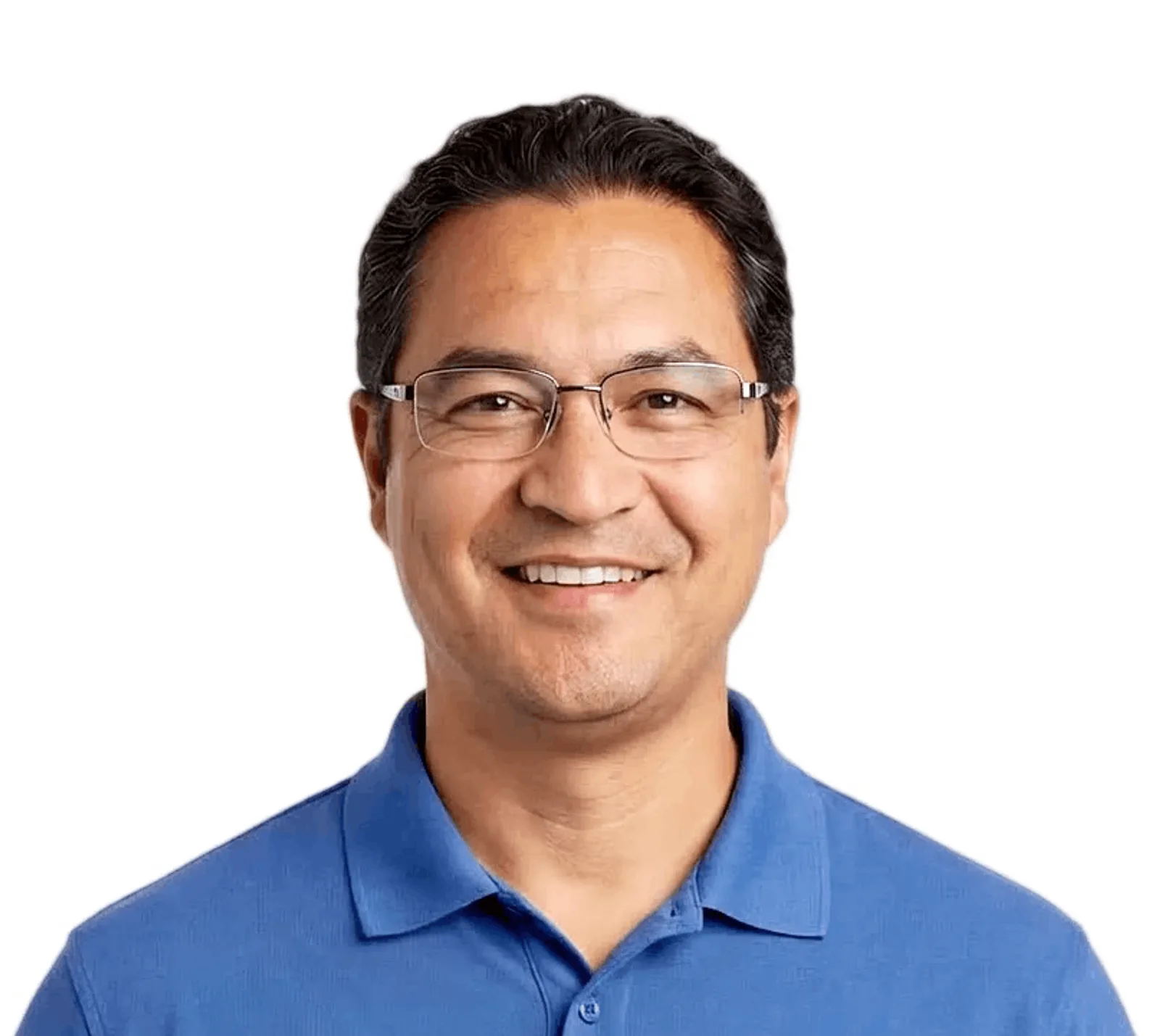
Co-Founder & Chief Food Safety Officer
Meet the Lead of Our Expert Boston Food Safety Consultant Team
Driven to ensure organizational requirements meet the challenges of technology integration with sound food safety and quality planning with focus on risk mitigation and prevention. Technical expertise in audit standards, lead instructor via accredited programs, and community leader to advance local / national food ecosystems.
The platform that keeps the program running between audits
Consulting gets you certified. The platform keeps you ready. Built with expert food safety guidance and tailored to different industries, it produces the organized evidence auditors and buyers want to see.
AI HACCP Builder
Pre-built templates cut HACCP plan development from hours to minutes, with expert guidance built in.
AI SOPs and Checklists
Automatically generates SOPs and checklists, flags missed tasks, and keeps protocols on track.
Batch and Inventory
Real-time tracking of production, inventory, and cost, reducing errors that create compliance gaps.
Traceability and Recall
Links ingredients to finished products for fast mock recalls and clean, defensible audits.
Supplier Compliance
Automates supplier document management and updates, cutting manual effort and adding transparency.
Live Monitoring and Alerts
Dashboards track KPIs in real time and send instant alerts on incidents so you can act quickly.
Results food and beverage teams can point to
"Peace of mind, safety, and accountability. With all of these things and the FoodReady team (especially Dustin!), we felt confident and ready for the USDA and about our product safety."
"You cannot build a holistic food safety program without capturing every piece of data that’s important to every aspect of business, from accounting to logistics, to warehousing. What’s really cool is because of that FoodReady is becoming an even greater and more powerful tool as it adds on additional modules. If you buy into the Enterprise program from start to finish as we did, you can almost run your whole business through FoodReady with very minimal other input necessary,” Josh Svenhard, Owner of Eurobake."
"FoodReady helps reduce time and complexity in filling out our programs and keeping track of filled-out forms and it has reduced staffing needs."
"The transparency and accountability FoodReady provides."
"Task Manager is phenomenal. I love being able to establish reoccurring tasks, monitor progress, and assign the checklists that need to be completed for each task. This keeps my team accountable and gives me ease of monitoring."
Frequently asked questions
Do you specialize in seafood HACCP for Boston processors?
Yes. Seafood processors and importers must operate under FDA seafood HACCP (21 CFR Part 123), which is separate from the Preventive Controls rule. We build species-and-process-specific plans covering hazards like histamine, pathogens, aquaculture drug residues, and decomposition, grounded in the FDA hazards guidance, plus the sanitation and records that verify them.
What licenses do we need to sell food wholesale in Massachusetts?
Wholesale food manufacturers and distributors need a license from the Massachusetts Department of Public Health under 105 CMR 500. Seafood dealers also need a permit issued jointly by DPH and the Division of Marine Fisheries, shellfish handlers follow the National Shellfish Sanitation Program, and cold storage or warehouse operations carry their own state licenses. We map exactly which apply to you before building the program.
What industries do you serve in the Boston area?
Seafood and shellfish processors, importers and cold storage operators, craft breweries and beverage makers, commercial bakeries and specialty food producers, commissary and RTE kitchens, and distributors across Greater Massachusetts.
Can you help with SQF, BRCGS, or other GFSI audits?
Yes. We prepare facilities for SQF, BRCGS, and FSSC 22000, plus HACCP, FSMA Preventive Controls, GMP and cGMP, and USDA documentation where it applies. We run gap assessments, build documentation, run mock audits, and coach your staff. We do not provide certification training.
Most of our seafood is imported and flown in. Does FSMA 204 apply?
For many seafood and shellfish products, yes. The Food Traceability Rule requires detailed lot-level records, which matters given how much Boston product is now imported and air-freighted. We align your lot tracking and cold-chain records so traceability holds up for both regulators and buyers ahead of the deadline.
How quickly can we be ready for an audit?
After the gap assessment we set a realistic schedule that tackles high-impact items first: hazard analysis, CCP and PC controls, supplier approval, and sanitation and allergen documentation, so you can meet your target audit date.
Speak with our expert consultants
Get a free consultation with our food safety and quality experts, and a clear path to your next Boston audit.