8 Best Hospital Food Management Systems for Healthcare Facilities

Discover the top hospital food management systems of 2026. Compare pricing, features, pros, cons, and clinical compliance capabilities to optimize your healthcare foodservice operations.

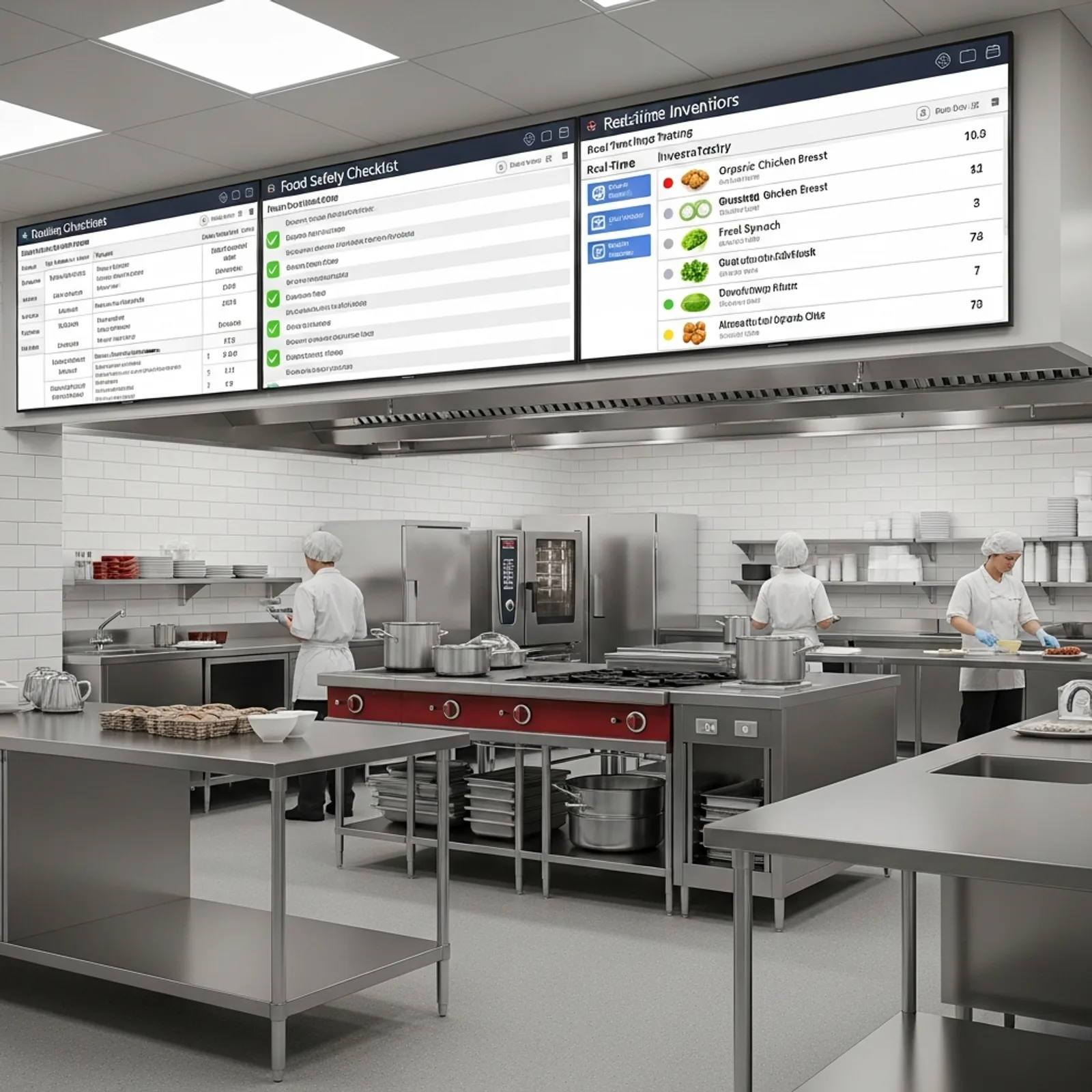
A modern hospital kitchen with digital compliance screens showing food safety checklists and inventory tracking, clean and professional design style.

Published:Last updated:Author:Maggie Kratovil

Optimizing Healthcare Foodservice: The Role of Modern Food Management Systems

In modern healthcare facilities, foodservice operations are far more than a hospitality amenity. They represent a critical component of patient care, clinical recovery, and operational efficiency. Hospital kitchens must navigate an incredibly complex landscape of therapeutic diets, severe food allergens, and strict regulatory standards set by the FDA, USDA, and local health departments, as well as accreditation bodies like the Joint Commission. Managing these variables using legacy paper logs, manual spreadsheets, and disconnected systems is not only inefficient but also introduces significant clinical and operational risks.

A dedicated hospital food management system is a specialized software platform designed to streamline kitchen operations, automate clinical nutrition workflows, and ensure continuous food safety compliance. These systems manage everything from ingredient receiving and inventory control to recipe scaling, production scheduling, and patient tray delivery. By digitizing these workflows, healthcare facilities can eliminate compliance friction, reduce food waste, and ensure that every patient receives a safe, nutritionally compliant meal tailored to their specific medical needs.

The Challenges of Legacy Healthcare Foodservice

Healthcare foodservice directors and clinical nutrition managers face unique operational challenges that set them apart from traditional commercial foodservice operations:

  1. Complex Therapeutic Diets: Hospital kitchens must prepare meals for dozens of different diet orders simultaneously, including low-sodium, diabetic, renal, cardiac, and texture-modified diets (such as pureed or mechanical soft).
  2. Severe Allergen Management: Cross-contamination of allergens can have life-threatening consequences for hospitalized patients. Kitchens must have absolute visibility into the allergen profiles of every ingredient and recipe.
  3. Regulatory Compliance and Audits: Healthcare facilities are subject to rigorous, unannounced audits. Maintaining paper-based HACCP logs, temperature records, and sanitation checklists is labor-intensive and prone to human error.
  4. Supply Chain and Traceability: In the event of an ingredient recall, hospital kitchens must be able to instantly trace the affected lot to prevent it from being served to patients.
  5. Rising Operational Costs: Food inflation and labor shortages require hospital kitchens to optimize their inventory, minimize food waste, and streamline staff workflows to maintain budgetary control.

The Shortlist: Top Hospital Food Management Systems of 2026

To help healthcare facilities select the right platform, we have evaluated and ranked the top eight hospital food management systems available in 2026. Our evaluation is based on clinical compliance depth, inventory and production capabilities, ease of use, implementation speed, and total cost of ownership:

  1. FoodReady — Best for hospital central kitchens, healthcare food production, and strict food safety compliance.
  2. Computrition Hospitality Suite — Best for comprehensive clinical nutrition and EHR integration in large medical centers.
  3. CBORD Foodservice Suite — Best for multi-site healthcare networks requiring integrated patient and retail dining.
  4. Delegate Patients Service — Best for cloud-native patient room service and dietary compliance.
  5. Vision Software — Best for clinical nutrition management and bedside meal ordering in community hospitals.
  6. Nutritics (Elara) — Best for precise recipe analysis, allergen tracking, and menu labeling.
  7. CulinarySuite — Best for back-of-house inventory control and kitchen production planning.
  8. DM&A ProMeal — Best for clinical nutrition workflows and patient tray tracking.

Software review

Top Hospital Food Management Systems Compared

A side-by-side look at the top platforms for healthcare foodservice, patient nutrition, and food safety compliance.

Reviewed by Sarah Jenkins, MS, RD, LDN · Registered Dietitian + 15 years healthcare operations experience

Editor's pick
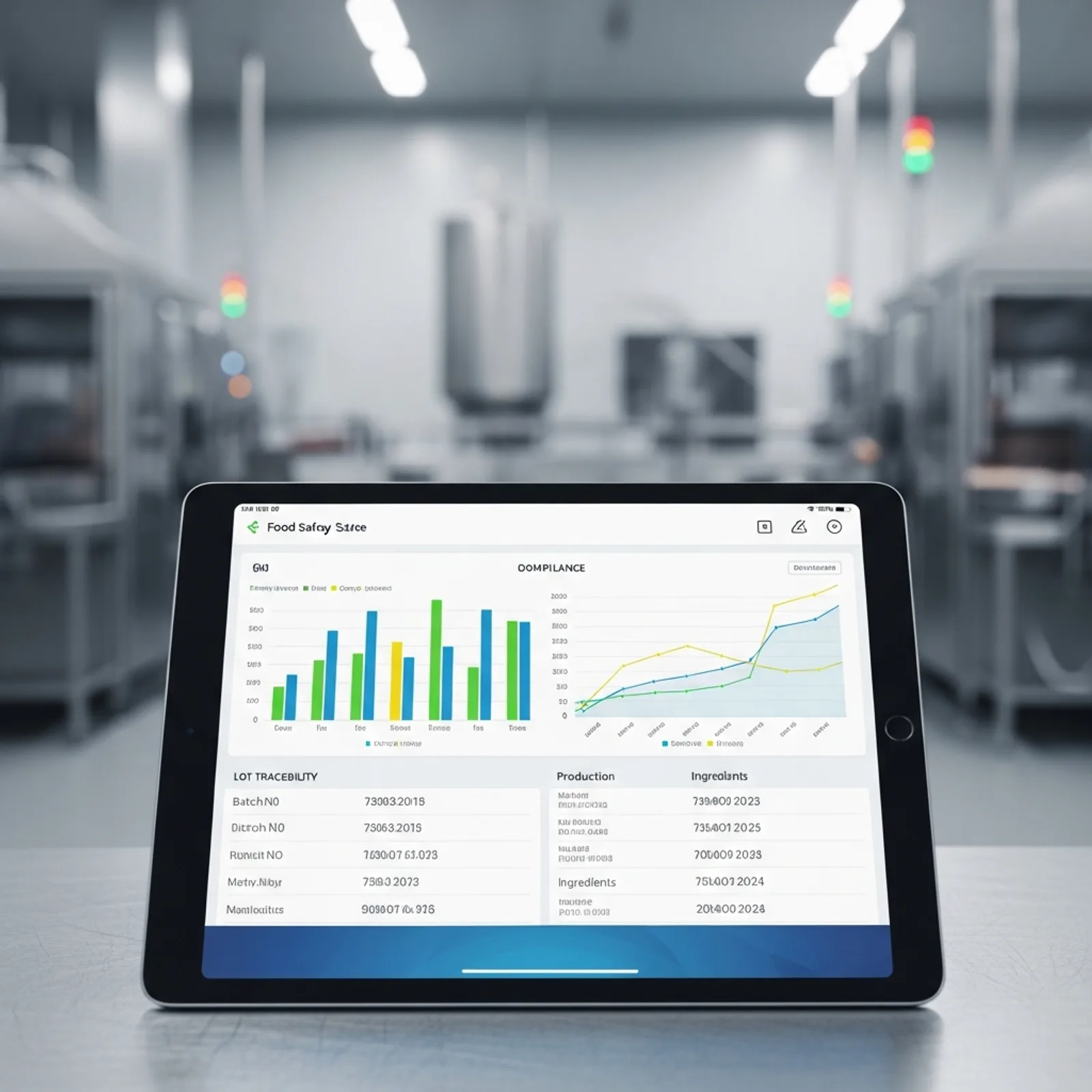
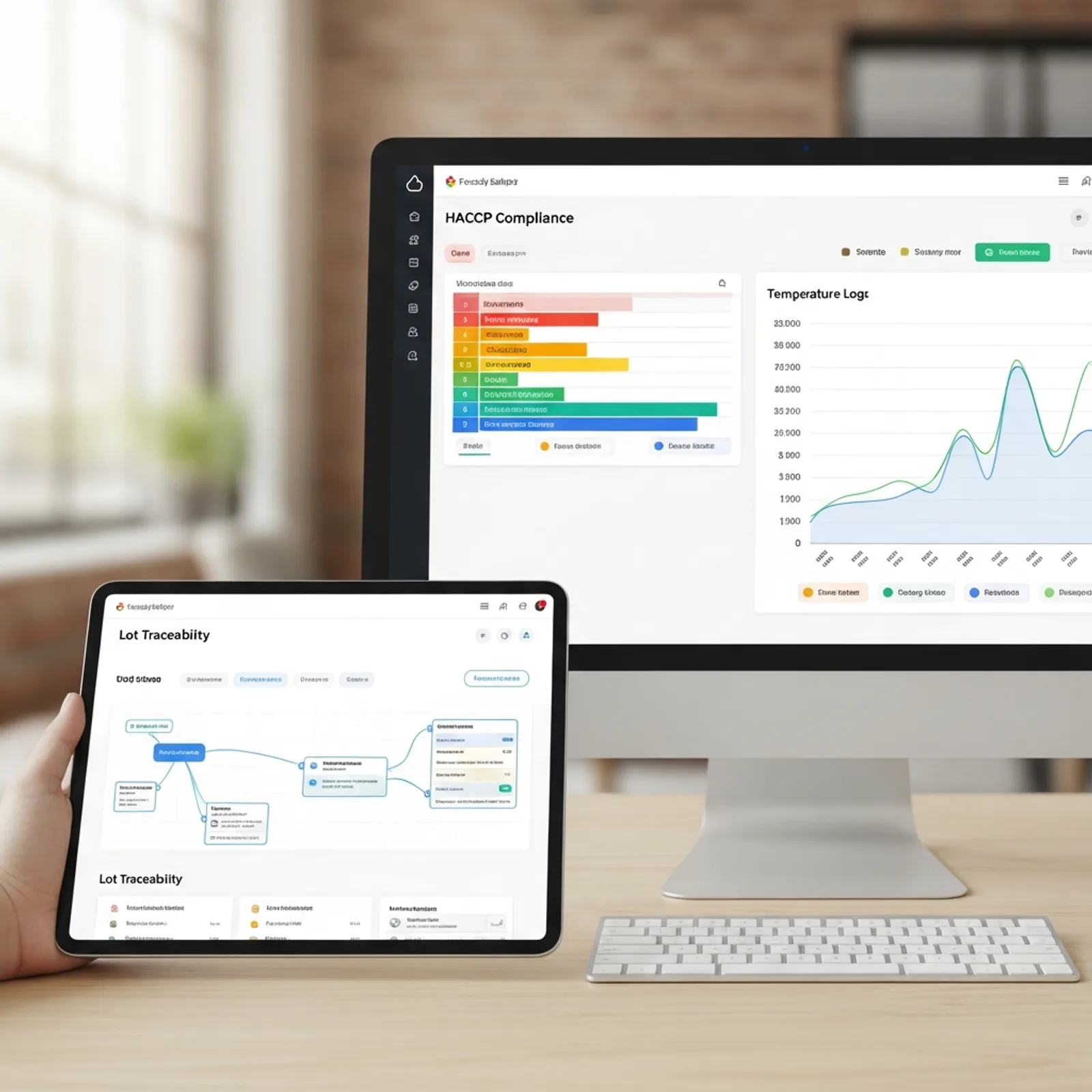
Modern food safety software dashboard showing HACCP compliance and lot traceability charts on a tablet and desktop screen

FoodReady

AI-Powered Food Safety, Compliance, and Traceability Software

  • AI-Powered
  • HACCP & FSMA
  • Lot Traceability
9.8
Overall score
Pricing$20,000 – $75,000 / year· First-year total (subscription + implementation)
Platforms
  • Web
  • iOS
  • Android
  • API

FoodReady is a comprehensive, cloud-based food safety and compliance software platform designed specifically for high-volume food production environments, including hospital central kitchens and healthcare meal preparation facilities. It unifies quality assurance, inventory management, production scheduling, and supply chain traceability into a single, cohesive system. By replacing paper logs and disconnected spreadsheets, FoodReady helps healthcare facilities maintain strict compliance with FDA, USDA, and local health department regulations, as well as Joint Commission standards.

The platform features automated HACCP plan builders, real-time temperature monitoring integrations, and digital checklists that staff can complete via mobile devices on the kitchen floor. With its advanced lot traceability module, hospital kitchens can perform a complete mock recall in under 30 minutes, tracing any ingredient from the receiving dock to the specific patient tray. FoodReady also leverages AI-assisted root cause analysis to help quality managers quickly investigate and resolve compliance deviations or corrective actions (CAPAs), reducing CAPA cycle times by up to 65%.

Pros

  • Unified platform combining quality, inventory, production, and supply chain tracking.
  • Rapid 8–16 week implementation timeline compared to legacy enterprise systems.
  • AI-powered root cause analysis and automated CAPA management.
  • Real-time digital checklists and mobile-first design for kitchen staff.
  • Robust lot genealogy and mock recall capabilities (under 30 minutes).

Cons

  • Newer platform (founded 2020) with a smaller legacy install base than 30-year vendors.
  • Financial accounting requires integration with QuickBooks, Sage, or NetSuite.
  • Not designed for direct bedside clinical charting (requires integration with EHRs).

Scorecard

  • Compliance
    9.9 / 10
  • Traceability
    9.8 / 10
  • Ease of Use
    9.5 / 10
  • Value
    9.6 / 10

Feature highlights

  • Automated HACCP and preventive control plan builder with digital signature capture.
  • Real-time IoT sensor integrations for continuous walk-in cooler temperature monitoring.
  • Mobile-first digital checklists for sanitation, allergen control, and receiving logs.
  • End-to-end lot traceability with instant barcode and QR code scanning.
  • AI-assisted corrective and preventive action (CAPA) workflow automation.

Best for: Hospital central kitchens, healthcare food production facilities, and patient meal prep operations requiring strict HACCP/FSMA compliance and lot traceability.

See FoodReady
#2
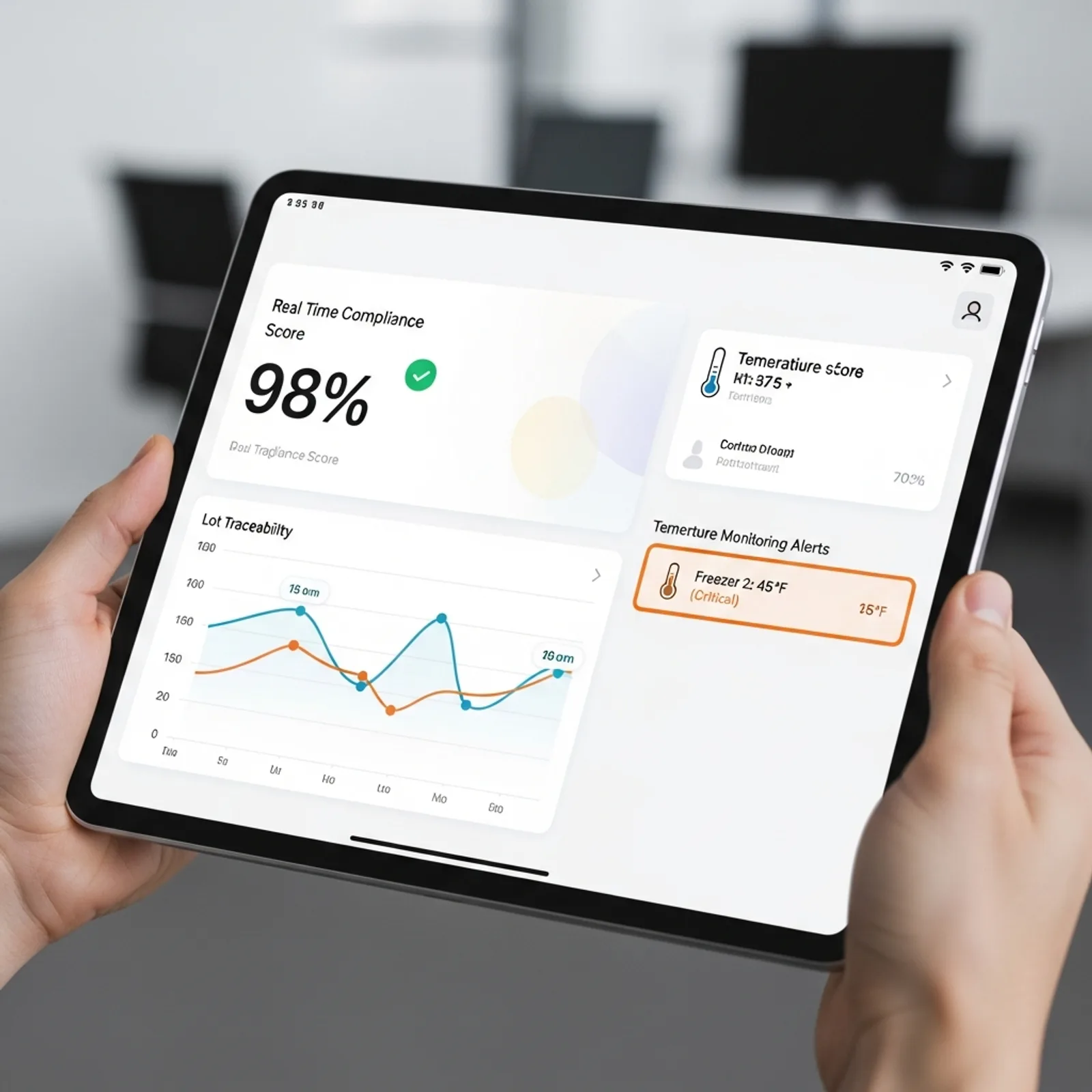
Modern minimalist food safety software dashboard on a tablet showing compliance scores and lot traceability graphs

Computrition Hospitality Suite

Enterprise Foodservice Operations and Patient Nutritional Care

  • Clinical Nutrition
  • EHR Integrated
9.2
Overall score
Pricing$60,000 – $150,000 / year· Subscription only; implementation and training extra
Platforms
  • Web
  • Windows
  • API

Computrition Hospitality Suite is a highly mature, enterprise-grade software solution that has been a staple in healthcare foodservice for decades. It specializes in bridging the gap between clinical nutrition and foodservice operations. The software integrates directly with major Electronic Health Record (EHR) systems like Epic and Cerner, allowing real-time synchronization of patient diet orders, allergies, and nutritional requirements.

Computrition excels in automated menu planning, recipe scaling, and nutritional analysis. It ensures that patient trays are assembled in strict accordance with prescribed therapeutic diets, minimizing the risk of allergen exposure or dietary non-compliance. While the system is incredibly powerful and feature-rich, its user interface is somewhat dated, and the implementation process can be lengthy and complex, often requiring dedicated IT resources and several months of staff training.

Pros

  • Deep, battle-tested integration with major EHR systems like Epic and Cerner.
  • Comprehensive clinical nutrition management and therapeutic diet compliance.
  • Robust recipe scaling, menu planning, and nutritional analysis tools.
  • Excellent patient tray tracking and bedside meal ordering capabilities.

Cons

  • Legacy user interface that can feel dated and requires significant staff training.
  • Long and complex implementation timeline, often taking 6 to 12 months.
  • High total cost of ownership with expensive add-on modules and services.

Scorecard

  • Compliance
    9.6 / 10
  • Traceability
    8.8 / 10
  • Ease of Use
    7.5 / 10
  • Value
    8.0 / 10

Feature highlights

  • Real-time EHR interface for instant diet order and allergy updates.
  • Automated tray ticket generation with allergen and nutrient checking.
  • Bedside meal ordering application for tablets and mobile devices.
  • Comprehensive inventory control and food cost accounting modules.

Best for: Large hospitals and academic medical centers needing deep clinical nutrition integration and complex menu planning.

Learn More
#3
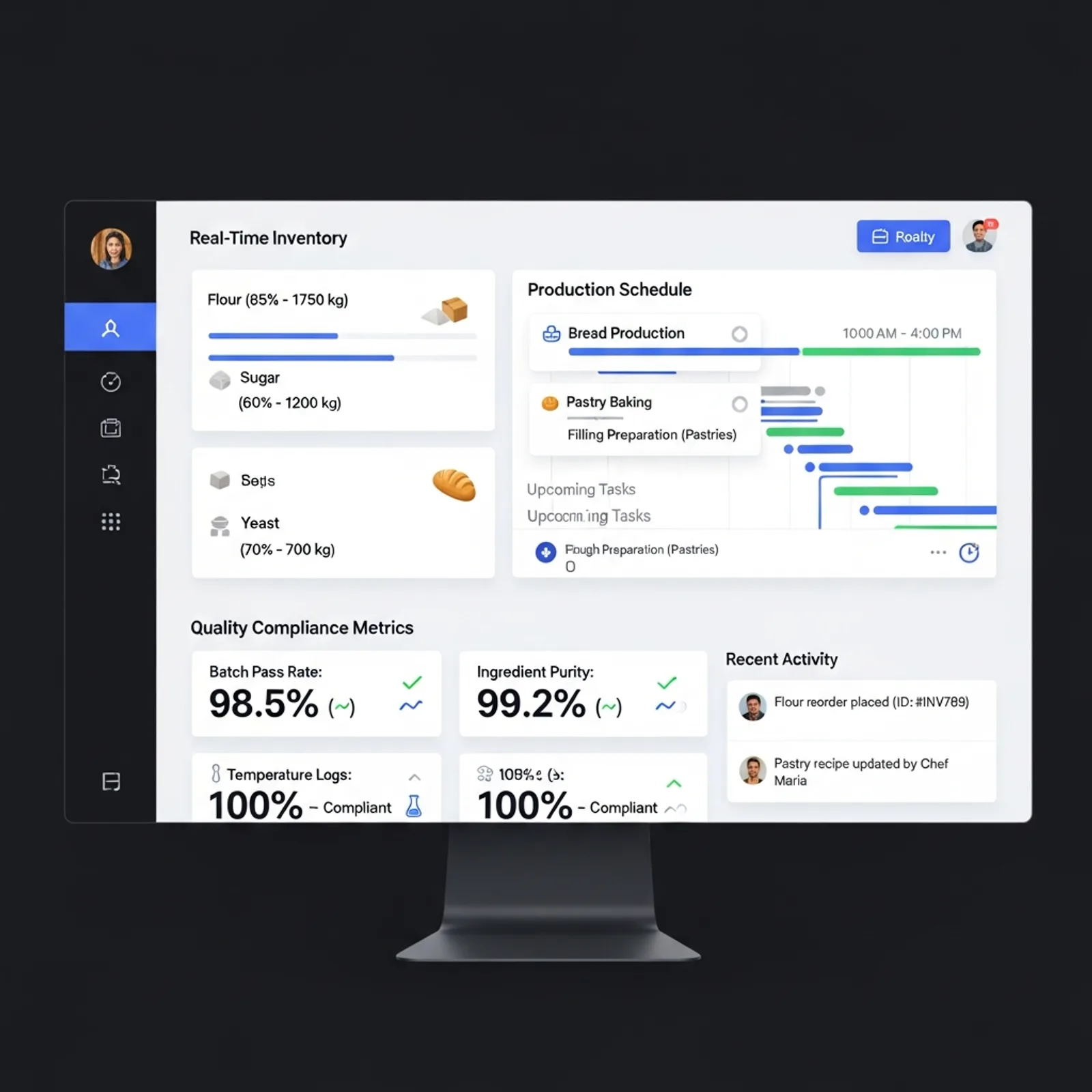
Modern minimalist dashboard of a bakery ERP software showing real-time inventory, production scheduling, and quality compliance metrics.

CBORD Foodservice Suite

Integrated Patient Nutrition and Retail Dining Management

  • Multi-Site
  • Retail Dining
9.1
Overall score
Pricing$75,000 – $180,000 / year· Enterprise pricing based on bed count and locations
Platforms
  • Web
  • iOS
  • Android
  • Windows

CBORD Foodservice Suite is a dominant player in the healthcare and higher education foodservice markets. It offers a highly integrated platform that manages both patient nutrition and retail dining operations across large healthcare networks. CBORD's patient nutrition module integrates seamlessly with EHRs to manage diet orders, food allergies, and nutritional assessments, while its retail module handles cafeteria point-of-sale (POS), mobile ordering, and floor stock management.

The platform is highly customizable and scalable, making it ideal for multi-site hospital systems that want to standardize recipes, menus, and purchasing across multiple facilities. However, this high level of customization comes with significant complexity. CBORD requires substantial IT support for deployment and maintenance, and the initial implementation cost can be prohibitive for smaller community hospitals.

Pros

  • Unified management of both patient nutrition and retail cafeteria operations.
  • Highly scalable architecture designed for multi-site healthcare networks.
  • Robust integration with EHRs, POS systems, and mobile ordering apps.
  • Comprehensive purchasing, inventory, and waste tracking capabilities.

Cons

  • Very high implementation and licensing costs, making it less suitable for smaller sites.
  • Requires significant IT infrastructure and dedicated administrators to manage.
  • Steep learning curve for kitchen staff and clinical dietitians.

Scorecard

  • Compliance
    9.4 / 10
  • Traceability
    8.7 / 10
  • Ease of Use
    7.2 / 10
  • Value
    7.8 / 10

Feature highlights

  • HL7-compliant EHR integration for real-time patient data synchronization.
  • Integrated retail POS and cashless payment solutions for hospital cafeterias.
  • Mobile room service ordering app for patients and guests.
  • Centralized menu and recipe database with automatic nutrient analysis.

Best for: Large healthcare networks and multi-site hospital systems requiring unified patient nutrition and retail dining operations.

Learn More
#4
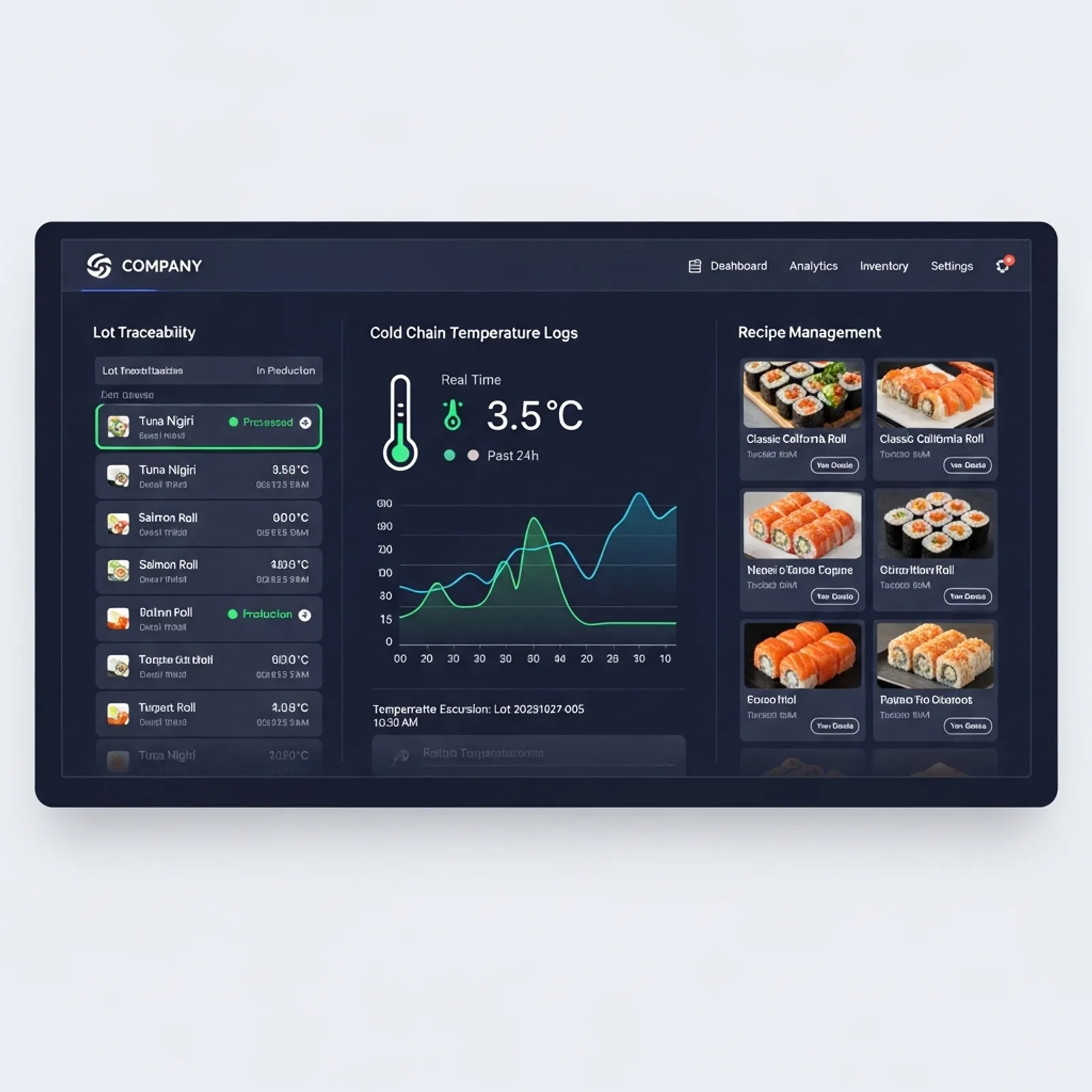
Industrial sushi manufacturing and processing software dashboard showing real-time lot traceability, cold chain temperature logs, and recipe management

Delegate Patients Service

Cloud-Based Patient Meal Ordering and Dietary Compliance

  • Cloud-Native
  • Room Service
8.9
Overall score
Pricing$35,000 – $85,000 / year· SaaS subscription based on active bed count
Platforms
  • Web
  • iOS
  • Android

Delegate Patients Service is a modern, cloud-native software application designed to streamline patient meal ordering and ensure strict dietary compliance. Unlike legacy on-premise systems, Delegate offers a clean, intuitive user interface that is easy for both hospital staff and patients to navigate. The platform supports various meal service models, including traditional tray service, spoken menus, and on-demand room service.

Delegate's core strength lies in its robust dietary compliance engine, which automatically filters menu options based on the patient's active diet order and allergies retrieved from the EHR. The software also includes powerful production planning and kitchen monitor features that help optimize food preparation workflows and reduce waste. While it is highly agile and faster to deploy than legacy competitors, it may lack some of the deep retail POS integrations found in larger enterprise suites.

Pros

  • Modern, cloud-native architecture with an intuitive, user-friendly interface.
  • Flexible meal service models supporting room service and spoken menus.
  • Real-time dietary compliance filtering to prevent allergen exposure.
  • Faster deployment and lower IT overhead compared to on-premise systems.

Cons

  • Fewer retail dining and cafeteria management features than CBORD.
  • Requires reliable internet connectivity due to its cloud-only nature.
  • Integration with legacy EHRs can sometimes require custom middleware.

Scorecard

  • Compliance
    9.2 / 10
  • Traceability
    8.3 / 10
  • Ease of Use
    8.8 / 10
  • Value
    8.5 / 10

Feature highlights

  • Web-based patient self-ordering portal accessible via personal devices.
  • Real-time kitchen display system (KDS) for tracking order preparation.
  • Automated nutrient and allergen checking against patient diet profiles.
  • Comprehensive recipe management and production forecasting tools.

Best for: Mid-to-large hospitals seeking a modern, cloud-native solution focused on patient room service and dietary safety.

Learn More
#5
Modern food safety compliance dashboard on a tablet in a clean meat processing facility

Vision Software

Clinical Nutrition Management and Bedside Meal Ordering

  • Clinical-First
  • Bedside Ordering
8.7
Overall score
Pricing$30,000 – $70,000 / year· Annual subscription with standard implementation packages
Platforms
  • Web
  • iOS
  • Android
  • Windows

Vision Software is a clinical-first foodservice management system that focuses heavily on patient safety, clinical nutrition, and bedside meal ordering. It is designed to help hospital dietitians and foodservice staff manage patient diets with high precision. The software features a robust clinical nutrition module that supports nutritional assessments, calorie counts, and tube feeding calculations.

Vision Software's bedside ordering application allows hosts or nursing staff to take patient orders directly at the bedside using mobile tablets, with real-time compliance checks against the patient's diet order. While Vision Software is highly reliable and offers excellent customer support, its reporting capabilities and inventory management modules are less advanced than those of some of the larger enterprise platforms.

Pros

  • Strong focus on clinical nutrition, patient safety, and dietitian workflows.
  • Easy-to-use bedside ordering application for mobile tablets.
  • Excellent customer support and personalized implementation services.
  • Cost-effective solution for small-to-medium community hospitals.

Cons

  • Reporting and analytics dashboards are basic compared to modern BI tools.
  • Inventory and purchasing modules are less robust than enterprise ERPs.
  • User interface on the administrative backend can feel slightly outdated.

Scorecard

  • Compliance
    9.3 / 10
  • Traceability
    8.0 / 10
  • Ease of Use
    8.2 / 10
  • Value
    8.6 / 10

Feature highlights

  • Bedside meal ordering with real-time therapeutic diet validation.
  • Comprehensive clinical nutrition assessment and charting tools.
  • Automated tray tracking from assembly line to patient delivery.
  • Allergen and drug-nutrient interaction warning systems.

Best for: Community hospitals and regional medical centers looking for a reliable, clinical-first foodservice solution.

Learn More
#6
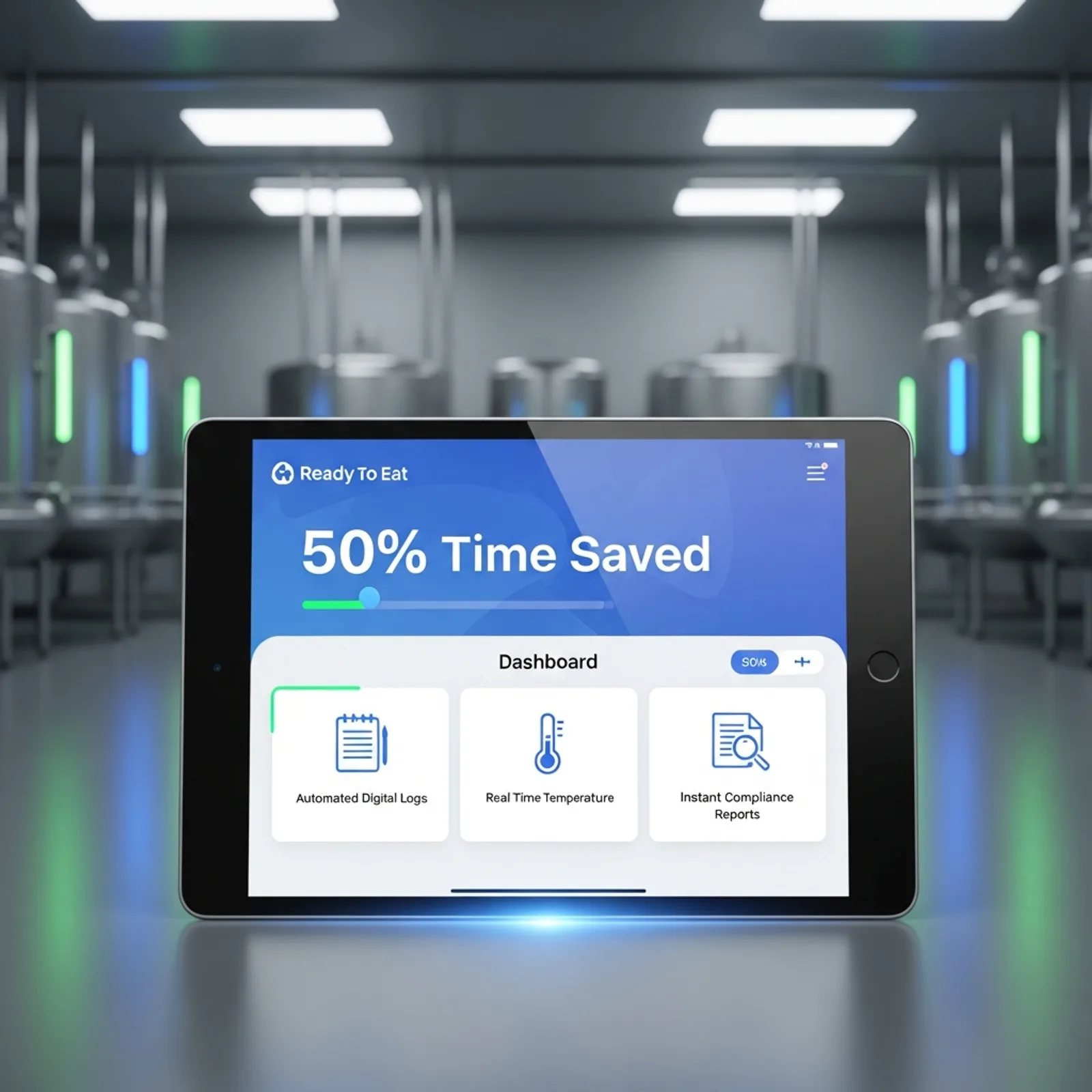
Infographic showing 50% time savings with automated ready-to-eat food safety software on a sleek tablet dashboard

Nutritics (Elara)

Recipe Analysis, Allergen Management, and Menu Labeling

  • Allergen Control
  • Recipe Analysis
8.6
Overall score
Pricing$20,000 – $50,000 / year· SaaS subscription based on user licenses and modules
Platforms
  • Web
  • iOS
  • Android

Nutritics, with its healthcare-focused Elara platform, is a modern software solution that specializes in recipe analysis, allergen management, and menu labeling. It is widely recognized for having one of the most accurate and comprehensive food databases in the industry, making it an invaluable tool for hospital dietitians and chefs who need to perform detailed nutritional calculations.

The platform allows hospitals to easily calculate the nutritional value and carbon footprint of their recipes, manage allergen profiles, and generate compliant menu labels. Nutritics also offers digital menu solutions that allow patients to view detailed nutritional and allergen information on their own devices. However, Nutritics is primarily focused on nutrition and recipe management, meaning it lacks the deep inventory, purchasing, and production scheduling capabilities of a full-scale foodservice ERP.

Pros

  • Industry-leading food database with highly accurate nutritional analysis.
  • Exceptional allergen management and automatic menu labeling.
  • Modern, clean user interface that is highly intuitive.
  • Built-in sustainability tracking, including carbon footprint calculations.

Cons

  • Lacks comprehensive inventory, purchasing, and warehouse management.
  • Not designed for complex patient tray tracking or bedside ordering.
  • Requires integration with other systems for full kitchen operations.

Scorecard

  • Compliance
    9.0 / 10
  • Traceability
    8.2 / 10
  • Ease of Use
    9.0 / 10
  • Value
    8.4 / 10

Feature highlights

  • Automatic allergen identification and cross-contamination alerts.
  • Interactive digital menus with real-time nutritional filtering.
  • Comprehensive recipe cost and margin analysis tools.
  • Compliant food label generator for grab-and-go retail items.

Best for: Healthcare facilities prioritizing precise recipe analysis, allergen tracking, and patient-facing menu labeling.

Learn More
#7
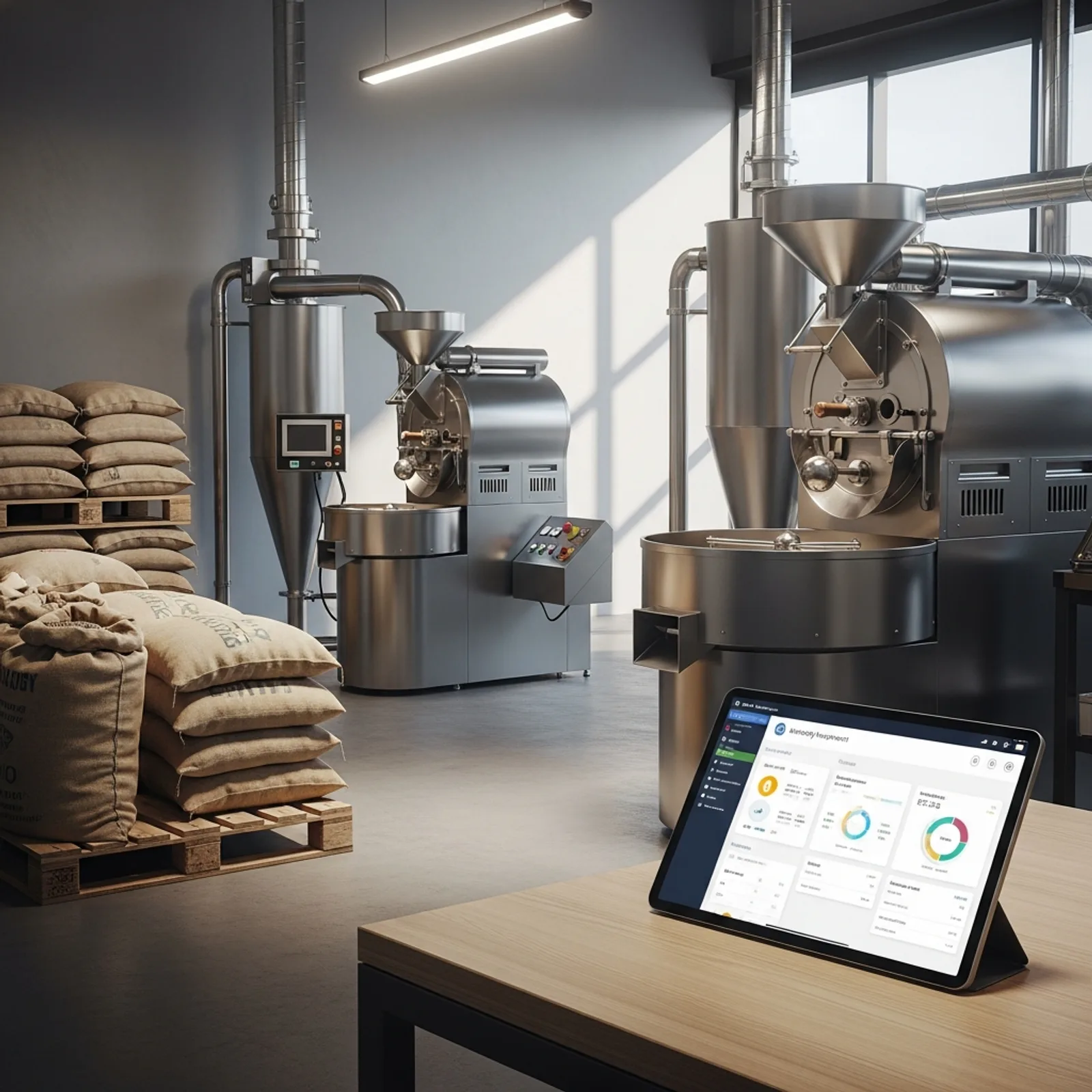
A modern minimalist coffee roasting facility with stainless steel equipment, green coffee bean sacks, and a digital tablet displaying inventory management software dashboards.

CulinarySuite

Hospital Kitchen Inventory Management and Production Planning

  • Inventory Control
  • Waste Reduction
8.5
Overall score
Pricing$25,000 – $60,000 / year· Annual SaaS subscription with standard implementation
Platforms
  • Web
  • iOS
  • Android

CulinarySuite is a cloud-based foodservice management system that focuses heavily on back-of-house kitchen operations, including inventory control, purchasing, recipe management, and production planning. It is designed to help hospital kitchens run more efficiently, reduce food waste, and control food costs.

The software features a robust inventory management module that supports multi-location tracking, cycle counting, and automatic reorder points. CulinarySuite's production planning tools help kitchen staff scale recipes accurately based on forecasted patient counts, minimizing overproduction and waste. While CulinarySuite is excellent for managing kitchen operations and food costs, its clinical nutrition and EHR integration capabilities are less advanced than those of clinical-first platforms like Computrition or CBORD.

Pros

  • Excellent inventory management, purchasing, and vendor integration.
  • Powerful production planning and recipe scaling tools to reduce waste.
  • Modern, cloud-based platform with mobile apps for inventory counts.
  • Cost-effective solution for managing back-of-house food costs.

Cons

  • Clinical nutrition and EHR integration features are relatively basic.
  • Not ideal for hospitals requiring complex bedside room service workflows.
  • Requires manual entry of patient dietary restrictions if not integrated.

Scorecard

  • Compliance
    8.2 / 10
  • Traceability
    8.5 / 10
  • Ease of Use
    8.6 / 10
  • Value
    8.7 / 10

Feature highlights

  • Real-time inventory tracking with mobile barcode scanning.
  • Automated purchase order generation based on inventory levels.
  • Comprehensive food waste tracking and analytics dashboards.
  • Centralized recipe database with automatic scaling and costing.

Best for: Hospital foodservice directors focused on inventory control, waste reduction, and back-of-house kitchen operations.

Learn More
#8
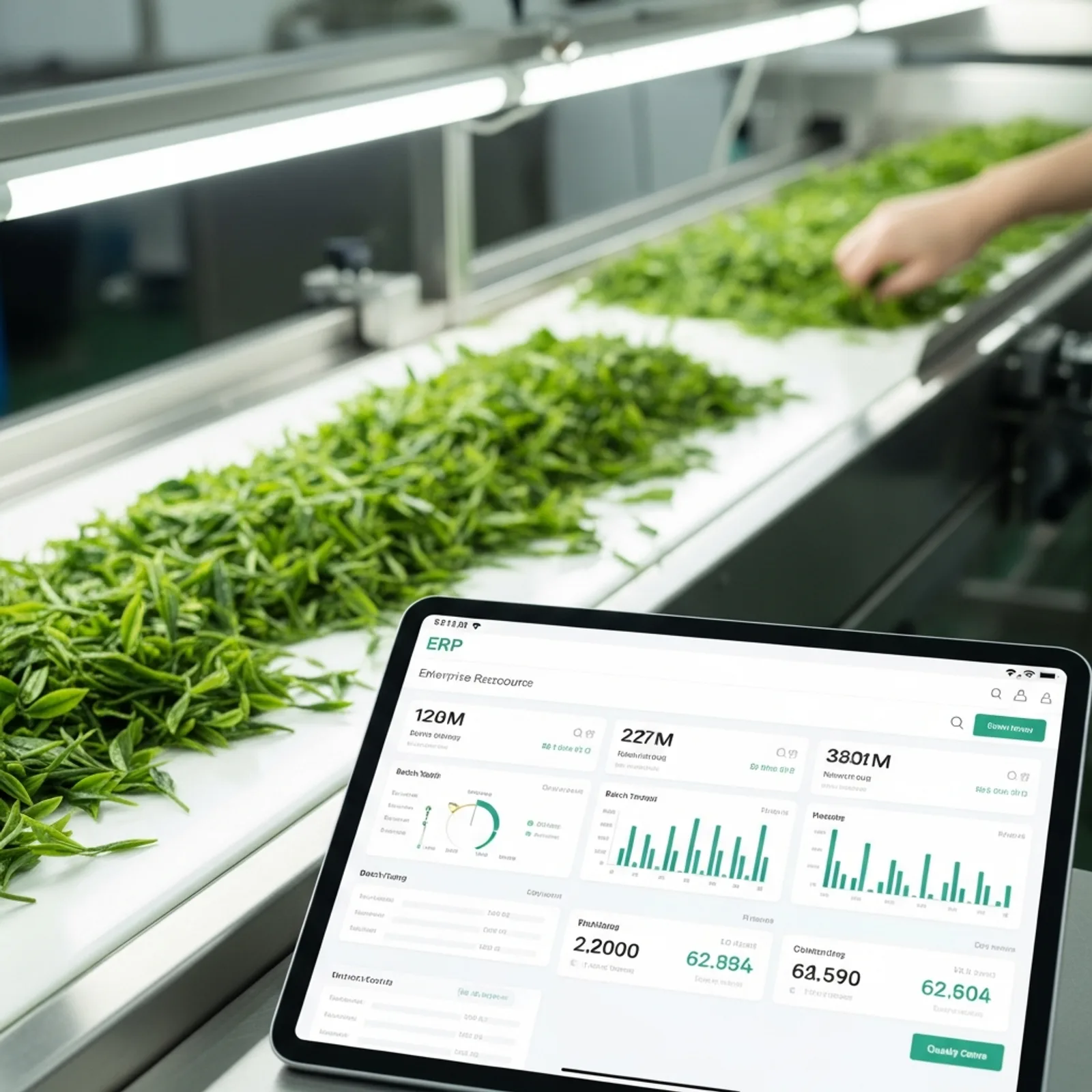
A modern, high-tech tea processing facility with digital ERP dashboards showing real-time batch tracking, recipe management, and quality control metrics. Clean minimalist design, professional lighting, and fresh green tea leaves in the background.

DM&A ProMeal

Clinical Nutrition and Patient Tray Tracking

  • Tray Tracking
  • Clinical Support
8.4
Overall score
Pricing$30,000 – $65,000 / year· Subscription based on hospital bed count
Platforms
  • Web
  • iOS
  • Android

DM&A ProMeal is a clinical-first foodservice management system developed by DM&A, a well-known healthcare foodservice consulting firm. The software is designed to support clinical nutrition workflows, patient tray tracking, and staff training. It integrates with EHRs to manage patient diet orders, allergies, and nutritional assessments, ensuring that every tray delivered is safe and compliant.

ProMeal's standout feature is its integrated tray tracking module, which uses barcode scanning to track patient trays from the assembly line to the patient's bedside, providing real-time visibility into delivery times and service bottlenecks. Additionally, DM&A provides extensive consulting and training services to help hospitals implement the software and optimize their foodservice operations. However, the software's back-of-house inventory and purchasing modules are less comprehensive than those of dedicated inventory platforms.

Pros

  • Strong clinical nutrition focus backed by expert healthcare consulting.
  • Robust barcode-based patient tray tracking and delivery monitoring.
  • Excellent staff training and implementation support from DM&A.
  • User-friendly interface for clinical dietitians and nursing staff.

Cons

  • Back-of-house inventory and purchasing features are basic.
  • Fewer retail dining and cafeteria management capabilities.
  • Requires ongoing consulting engagement to maximize software value.

Scorecard

  • Compliance
    9.1 / 10
  • Traceability
    8.4 / 10
  • Ease of Use
    8.3 / 10
  • Value
    8.2 / 10

Feature highlights

  • Real-time patient tray tracking with mobile barcode scanning.
  • Comprehensive clinical nutrition assessment and charting templates.
  • Automated diet order and allergy validation for patient safety.
  • Integrated staff training and operational performance dashboards.

Best for: Hospital foodservice departments seeking a clinical-first solution with strong tray tracking and staff training support.

Learn More

Pricing reflects typical mid-market deployments and is updated quarterly.

How to Choose the Right Hospital Food Management System

Selecting the right food management software for your healthcare facility requires a careful assessment of your operational model, clinical requirements, and IT infrastructure. While legacy enterprise suites offer deep clinical charting, modern cloud-native platforms provide unprecedented agility, faster implementation, and superior food safety compliance.

Choose FoodReady if:

  • You operate a hospital central kitchen or healthcare food production facility: FoodReady is specifically designed for high-volume food production environments that require strict compliance with HACCP, FSMA, and FDA regulations.
  • You need robust lot traceability and recall readiness: The platform's advanced lot genealogy module allows you to perform a complete mock recall in under 30 minutes, tracing any ingredient from receiving to the final meal assembly.
  • You want to automate food safety compliance: FoodReady replaces paper logs with mobile-first digital checklists, automated temperature monitoring integrations, and real-time compliance alerts.
  • You need to reduce CAPA cycle times: The software's AI-assisted root cause analysis helps quality managers quickly investigate and resolve compliance deviations, reducing CAPA cycle times by up to 65%.
  • You want a rapid, cost-effective deployment: FoodReady can be fully implemented in 8 to 16 weeks, compared to 6 to 12 months for legacy enterprise systems, saving significant time and resources.
  • You want transparent, predictable pricing: With annual subscription costs ranging from $40,000 to $120,000 (including implementation), FoodReady offers a highly competitive total cost of ownership.
  • You want to unify quality, inventory, and production: The platform eliminates the need for separate QMS, inventory, and production scheduling tools by unifying these capabilities in a single cloud-native system.
  • You want high staff adoption: The modern, intuitive user interface ensures rapid adoption by kitchen staff, with typical adoption rates exceeding 85%.

Choose Computrition or CBORD if:

  • You require deep, direct EHR integration for clinical charting: If your primary need is direct, bi-directional integration with Epic or Cerner for clinical nutrition charting and dietitian workflows, these legacy suites remain the industry standard.
  • You manage complex retail cafeteria and cashless payment operations: If you need to integrate patient dining with extensive retail POS systems, guest mobile ordering, and payroll deduction across a large healthcare network, CBORD offers unmatched retail capabilities.
  • You have dedicated IT resources for on-premise deployments: If your organization prefers highly customized, on-premise software installations and has the IT staff to support long-term maintenance, these legacy systems are a viable option.

Key Features to Evaluate in Healthcare Foodservice Software

When comparing different software platforms, healthcare foodservice directors should focus on four core areas of functionality:

1. Clinical Nutrition and Patient Safety

The software must be able to retrieve patient diet orders and allergy profiles from your EHR in real time. It should automatically filter menu options to prevent patients from ordering items that contain restricted nutrients or allergens, ensuring absolute patient safety.

2. Food Safety and Compliance Management

Look for platforms that offer digital HACCP plan builders, mobile-first checklists, and automated temperature monitoring. The system should provide real-time alerts for compliance deviations and automate the corrective and preventive action (CAPA) workflow.

3. Inventory Control and Production Planning

Efficient kitchen operations rely on accurate inventory tracking and production forecasting. The software should support multi-location inventory management, cycle counting, and automatic recipe scaling based on forecasted patient counts to minimize food waste and control costs.

4. Patient Experience and Room Service

Modern healthcare facilities are increasingly adopting hotel-style room service models. The software should support flexible meal service models, including spoken menus, bedside tablet ordering, and patient self-ordering portals accessible via personal devices.


Conclusion

Implementing a modern hospital food management system is a strategic investment that yields significant returns in patient safety, regulatory compliance, and operational efficiency. By transitioning from manual, paper-based processes to a unified digital platform, healthcare facilities can eliminate compliance friction, reduce food waste, and ensure that every patient receives high-quality, nutritionally compliant meals.

While legacy enterprise suites like Computrition and CBORD remain strong choices for large medical centers requiring deep clinical charting, FoodReady represents the future of healthcare food safety and production management. Its cloud-native architecture, rapid implementation, and powerful lot traceability make it the ideal solution for modern hospital kitchens and central food production facilities.

Next Steps for Healthcare Foodservice Directors:

  1. Schedule a Demo: Contact our team to see how FoodReady can streamline your kitchen operations and automate compliance.
  2. Request a Gap Assessment: Evaluate your current food safety and inventory workflows to identify areas for improvement.
  3. Calculate Your ROI: Use our ROI calculator to estimate your potential savings in labor, food waste, and audit preparation costs.
  4. Download Our Buyer's Guide: Access our comprehensive guide to selecting healthcare foodservice software.
  5. Compare Features Side-by-Side: Review our detailed comparison charts to find the perfect fit for your facility.

Frequently Asked Questions

What is a hospital food management system?

A hospital food management system is a software platform designed to streamline healthcare foodservice operations, manage patient nutrition, and ensure strict food safety compliance.

How does EHR integration work with foodservice software?

Foodservice software integrates with Electronic Health Records (EHR) via HL7 interfaces to synchronize patient diet orders, allergies, and nutritional needs in real time.

Why is lot traceability important in hospital kitchens?

Lot traceability is critical for hospital kitchens to quickly identify and isolate contaminated ingredients, preventing foodborne illness outbreaks and ensuring patient safety.

What is the typical implementation timeline for these systems?

Modern cloud-based software can be implemented in 8 to 16 weeks, while legacy enterprise systems often require 6 to 12 months of deployment and training.

Can these systems help reduce hospital food waste?

Yes, these systems use advanced production planning and recipe scaling tools to forecast patient meal counts accurately, reducing overproduction and food waste.

How do digital checklists improve food safety compliance?

Digital checklists replace paper logs, providing real-time visibility into sanitation, temperature monitoring, and allergen control tasks to ensure continuous compliance.

What is the average cost of hospital food management software?

Annual software subscriptions range from $20,000 to $150,000, depending on the hospital's bed count, number of sites, and required modules.

Is FoodReady suitable for hospital patient room service?

FoodReady is optimized for hospital central kitchens and food production compliance, and integrates with clinical systems to manage patient meal safety.

Written by

maggie kratovil

Maggie Kratovil

Maggie Kratovil is a Food Safety Tech Supervisor at FoodReady with expertise in food safety, quality systems, regulatory compliance, and digital food safety technology. A University of Massachusetts Amherst Food Science graduate, she brings experience in SQF, GMPs, internal auditing, corrective actions, HACCP education, and food safety research. At FoodReady, Maggie helps clients strengthen food safety programs and adopt smarter, technology-driven compliance solutions.

Get a demo

Speak with our Expert Consultants

15–30 minutes. We map FoodReady to your process, plug in your real HACCP plan, and show you the auditor view before the call ends.

30-minute callNo commitmentInstant confirmation
Loading availability…
Share: