

Juice HACCP plan templates and examples for compliance
Identify juice-specific hazards, validate your pathogen reduction process, and document every critical control point with a reviewed, editable Juice HACCP template and AI plan builder.
Create a USDA-approved HACCP plan for raw, cooked, or frozen juice products.
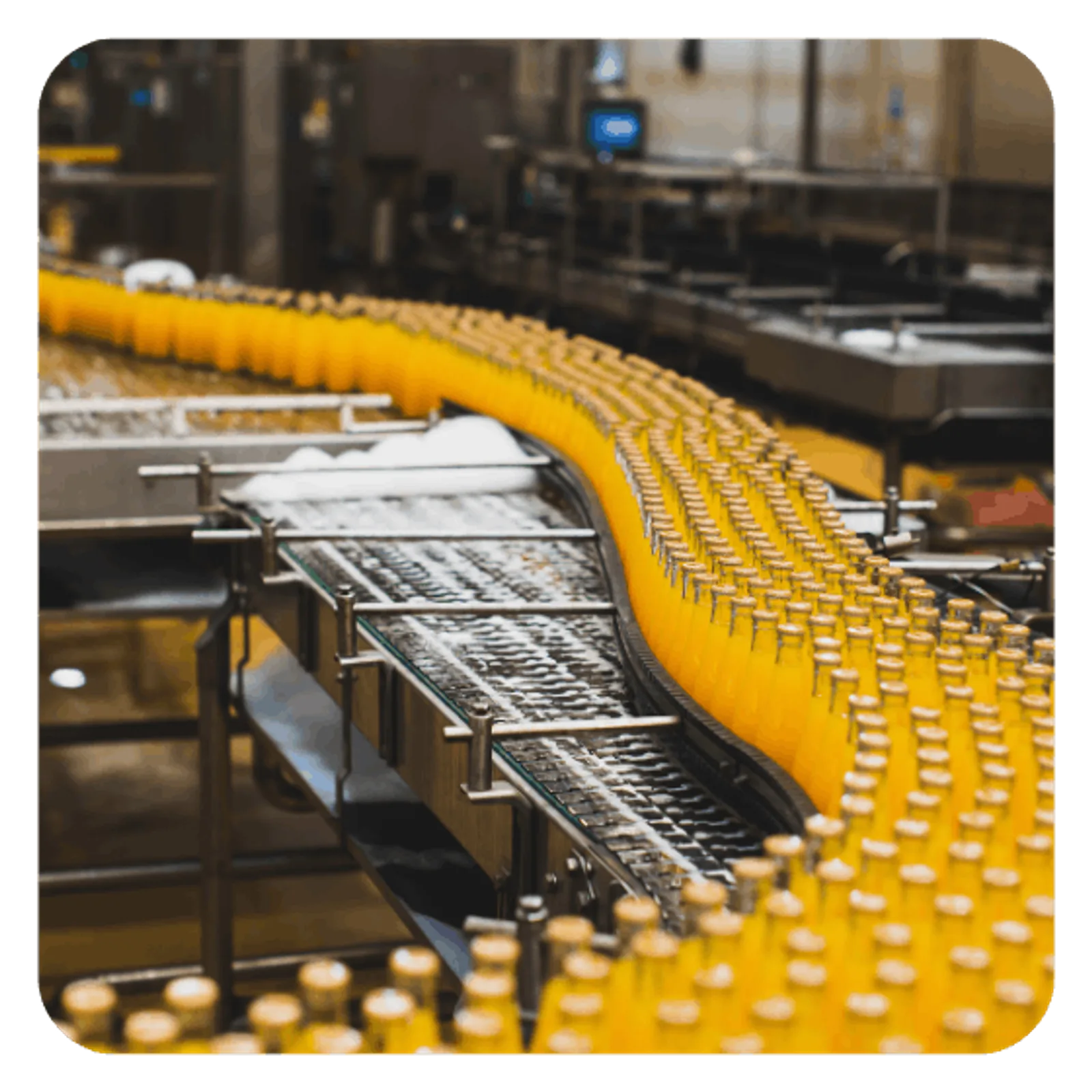
Juice HACCP templates you can start from
Each template is prefilled with representative hazards, controls, records, and decision points for the product category, then fully editable in the plan builder.
Pasteurized fruit juice
Apple, orange, grape, berry, and blended fruit juices using a validated thermal, UV, high-pressure, or equivalent pathogen-reduction process.
Refrigerated juice and cider
Refrigerated apple cider, fresh-pressed juice, and cold-chain products requiring validated treatment, protected filling, shelf-life controls, and temperature monitoring.
Low-acid vegetable juice
Carrot, beet, celery, green, and mixed vegetable juices where pH, botulism prevention, refrigeration, closure integrity, and shelf-life controls may be significant.
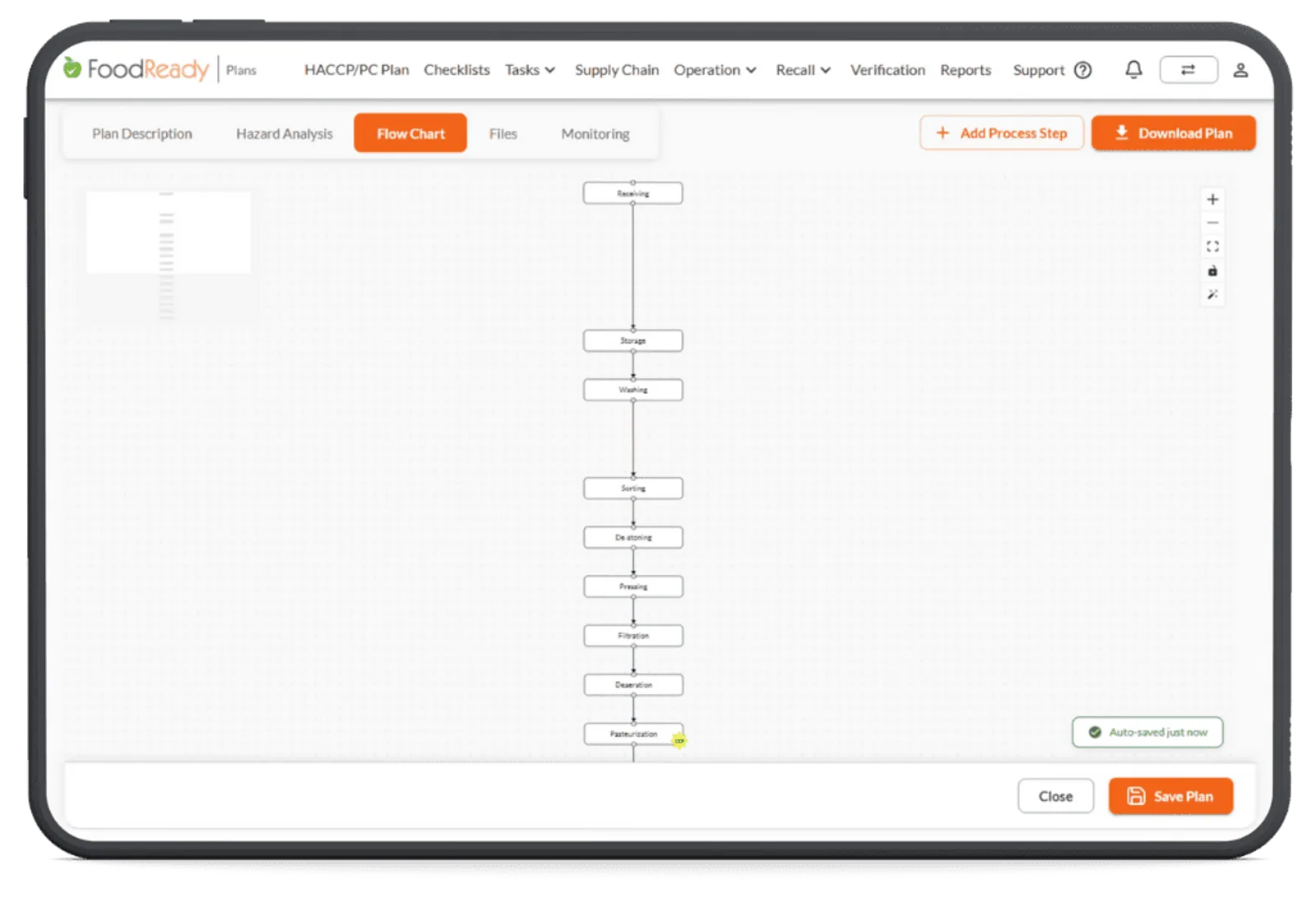
Example juice process flow
- Receive fruit, vegetables, ingredients & packaging— Supplier control
- Inspect, sort & cull — CCP-1— Patulin control for apple juice
- Wash & sanitize produce— SSOP control
- Extract or press juice— Hygiene control
- Filter, blend & formulate— Formula / allergen control
- Apply validated pathogen-reduction process — CCP-2— 5-log reduction
- Protected transfer & cooling— Sanitation / time-temperature control
- Fill, seal & code— Packaging control
- Verify product labels — CCP-3— Label verification
- Store & ship finished juice — CCP-4— Cold-chain control
Juice hazard analysis and critical limits
Representative juice hazards and controls are shown below. Actual CCPs and limits must be validated for the product, pertinent microorganism, process authority recommendations, equipment, packaging, and distribution conditions.
| process step | hazard | type | control measure | critical limit |
|---|---|---|---|---|
| Raw produce receiving | Pathogens associated with fruit or vegetables, including Salmonella, pathogenic E. coli, or Cryptosporidium depending on the commodity | Biological | Approved suppliers, receiving inspection, cleaning, culling, and a validated downstream pathogen-reduction process | Lot meets approved supplier and incoming-condition specifications |
| Apple sorting & culling CCP-1 | Patulin produced by mold in damaged or decayed apples | Chemical | Reject decomposed fruit, cull damaged or moldy apples, use supplier controls, and test as supported by the hazard analysis | Finished single-strength apple juice <50 ppb patulin |
| Pathogen-reduction process CCP-2 | Survival of the pertinent microorganism because of inadequate treatment | Biological | Validated pasteurization, UV, high-pressure, or equivalent process applied to the juice, except eligible citrus surface-treatment systems | Process consistently achieves ≥5-log reduction using validated time, temperature, flow, pressure, or UV parameters |
| Low-acid juice formulation | Growth and toxin formation by Clostridium botulinum in refrigerated low-acid juice | Biological | Validated acidification, thermal treatment, or other control that prevents growth and toxin production; protect post-process equipment and closures | Equilibrium pH ≤4.6 when acidification is the selected control, or a validated equivalent process |
| Post-treatment transfer & filling | Recontamination of treated juice from equipment, employees, untreated ingredients, or the processing environment | Biological | Protected transfer, sanitary equipment design, SSOP verification, controlled traffic, and no untreated ingredient addition after treatment | No treatment bypass or untreated juice addition; sanitation checks meet approved limits |
| Label verification CCP-3 | Undeclared allergens, incorrect identity, missing refrigeration statement, or missing untreated-juice warning when applicable | Chemical | Approved label master, line clearance, first-piece and in-process checks, and label-to-batch reconciliation | Correct approved label on 100% of packages |
| Foreign-material control | Glass, metal, hard plastic, stones, or equipment fragments | Physical | Sorting, filters or screens, equipment inspection, container controls, and validated detection where applicable | No unacceptable foreign material detected; detection system meets validated sensitivity |
| Cold storage & shipment CCP-4 | Pathogen growth or loss of shelf-life control in refrigerated juice | Biological | Continuous or scheduled temperature monitoring, alarm response, product hold, and refrigerated transportation | At or below the validated product-specific maximum; commonly ≤5°C (41°F) when specified in the plan |
Prerequisite programs that support the plan
Juice HACCP depends on current good manufacturing practices and a documented sanitation standard operating procedure before, during, and after processing.
Personnel
Hygiene, health reporting, and training practices.
Water & ice safety
Potable water, sanitary ice, and protected water-contact systems.
Cleaning & sanitation
Pre-operational checks, SSOPs, chemicals, concentrations, and verification.
Cross-contamination control
Separation of raw produce from treated juice and clean packaging areas.
Equipment & maintenance
Hygienic design, preventive maintenance, calibration, and glass control.
Chemical controls
Pesticides, cleaning compounds, lubricants, processing aids, and allergens.
Employee health & pests
Limits for natural or unavoidable defects.
Warehousing & transport
Protected storage, lot control, refrigeration, and sanitary transportation.
Logs, SOPs, and supply chain documents
Monitoring records must capture the actual observed value, for example the exact temperature or pH, recorded at the time of observation.
Logs & records
Evidence that the Juice HACCP system is operating as designed.
- Raw materials and receiving log
- Produce inspection and culling log
- 5-log process monitoring record
- Cooling and storage temperature log
- Corrective action and product-hold forms
- Calibration and verification review log
Standard operating procedures
Repeatable instructions that keep control measures consistent.
- Produce washing, sorting, and culling
- Pasteurizer, UV, or HPP operation
- Cleaning, sanitation, and pre-op inspection
- Protected post-process handling and filling
- Allergen and label verification
- Deviation, hold, evaluation, and release
Supply chain documents
Controls and evidence that extend beyond the processing line.
- Approved supplier guarantees and specifications
- Certificates of analysis for juice ingredients
- Process authority validation documentation
- Importer affirmative-step records
- Packaging and label approvals
- Lot traceability and distribution records
Who needs a Juice HACCP plan
FDA Juice HACCP applies to juice sold as juice or used as an ingredient in beverages. The exact obligations depend on whether you process, import, co-pack, or sell juice only at retail.
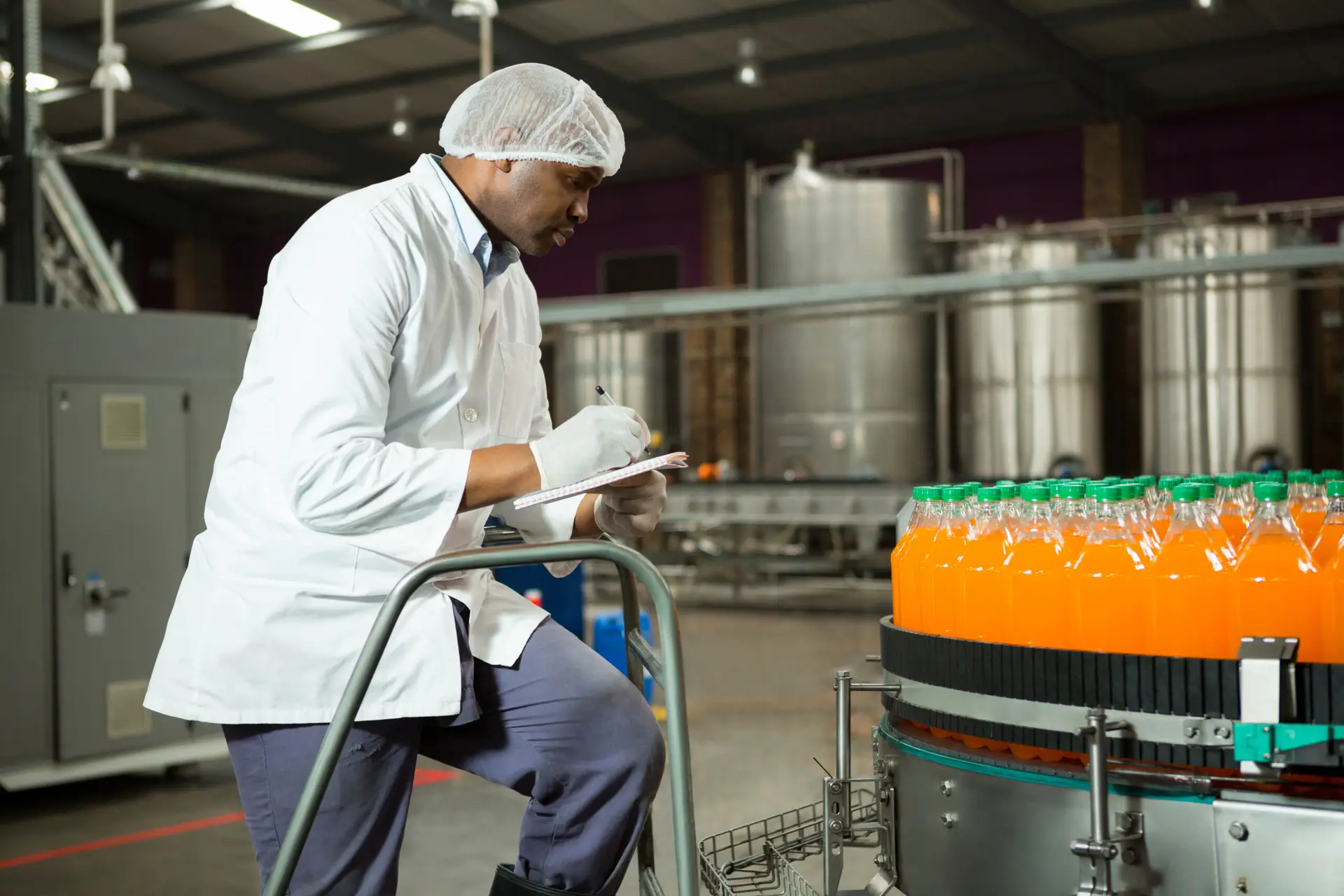
Commercial juice processing facilities
Facilities that extract, process, pack, or co-pack fruit or vegetable juice must complete a written hazard analysis. When one or more hazards are reasonably likely to occur, the processor must implement a product- and facility-specific HACCP plan with CCPs, critical limits, monitoring, corrective actions, verification, and records.
- FDA Juice HACCP · 21 CFR Part 120
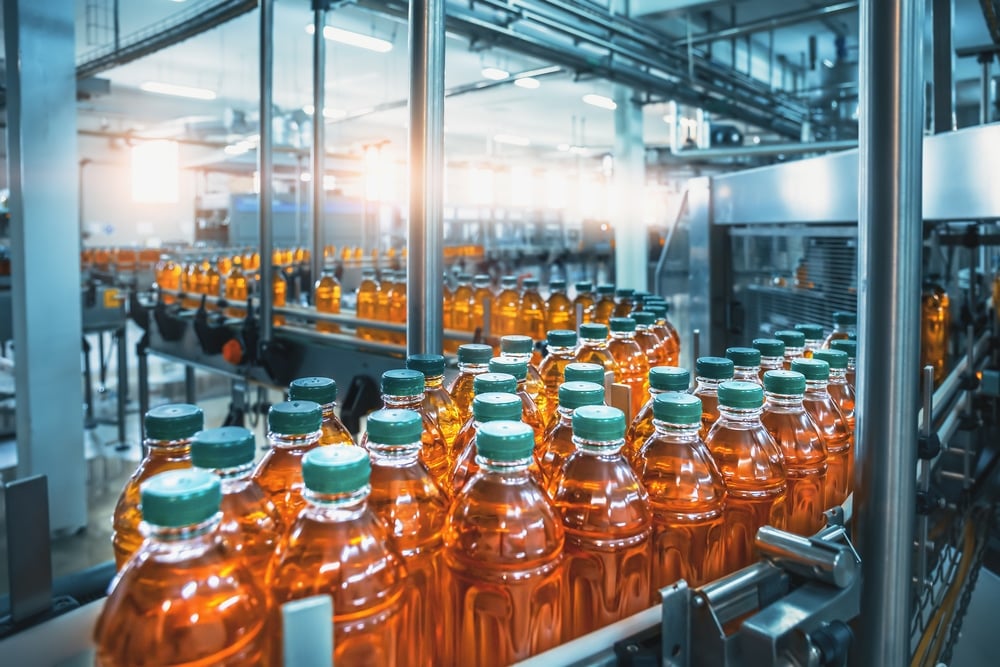
Juice importers and retail juice operations
Importers must take affirmative steps to help ensure that foreign juice processors comply with Juice HACCP. Retail establishments that provide juice directly to consumers and do not distribute it to other businesses are exempt from Part 120, but labeling and state or local food-safety requirements may still apply.
- 21 CFR 120.14 · Retail exemption · 21 CFR 101.17(g)
Additional components for full compliance
These components are recommended to meet state and federal rules alongside your HACCP plan.
Process validation
Validated pathogen-reduction process
Document the pertinent microorganism, scientific basis, equipment configuration, operating parameters, and evidence that the selected process consistently achieves the required pathogen reduction.
Validate within 12 months after implementation, at least annually thereafter, and whenever a change could affect the hazard analysis or HACCP plan.
Verification & records
Verification, review, and corrective actions
Verification includes instrument calibration, review of complaints, optional product testing, and trained review of CCP and corrective-action records.
When a critical limit is missed, hold and evaluate affected product, prevent unsafe product from entering commerce, correct the cause, document the action, and reassess the plan when needed.

Dave Seddon
Every FoodReady HACCP template is built and reviewed by practicing food safety professionals, then aligned to current FDA guidance. This sushi plan follows the seafood hazards and controls that auditors expect to see, so you start from a defensible baseline rather than a blank page.
- SQF Lead Auditor
- FDA Seafood HACCP
- SOC 2 Type II platform
Juice HACCP, answered
Who must comply with FDA Juice HACCP?
Commercial, custom, and institutional processors of juice sold as juice or used as an ingredient in beverages are covered by 21 CFR Part 120. Retail establishments that provide juice directly to consumers and do not distribute it to other businesses are excluded from the Part 120 definition of processing, although other labeling and state or local requirements may apply.
What is the 5-log pathogen reduction requirement?
It is a performance standard requiring a process that consistently produces at least a 100,000-fold reduction in the pertinent microorganism, the most resistant microorganism of public-health significance likely to occur in the juice. The control may use validated heat, UV, high pressure, or another suitable process.
Does pasteurization automatically prove 5-log compliance?
No. Precise time, temperature, flow, UV dose, pressure, or other parameters depend on the juice and process. The treatment must be scientifically validated for the pertinent microorganism, product formulation, equipment, packaging arrangement, and intended shelf life.
What are common CCPs in a Juice HACCP plan?
Common examples include the validated pathogen-reduction step, patulin control for apple juice, product-specific pH or botulism controls for low-acid juice, label verification, and refrigerated storage. Your hazard analysis determines which controls are true CCPs for your process.
Can UV or high-pressure processing replace heat pasteurization?
A nonthermal process may be used when it is lawful for the intended use and scientifically validated to achieve the required reduction in the pertinent microorganism for that specific juice and operating system. The HACCP plan must list the validated critical parameters and monitoring procedures.
What records should a Juice HACCP processor maintain?
Required records include the written hazard analysis, HACCP plan, SSOP monitoring and corrections, actual CCP monitoring values, corrective actions, calibration, verification, validation, and trained record review. Records must identify the product, date and time, the person performing the activity, and the production code, where appropriate.
Start your Juice HACCP plan today
Begin with a reviewed juice-processing template, customize the hazards and critical limits for your product, and generate audit-ready monitoring, corrective-action, and verification records.
Speak with our Expert Consultants
15–30 minutes. We map FoodReady to your process, plug in your real HACCP plan, and show you the auditor view before the call ends.