

Honey HACCP Plan Templates & Examples for Compliance
Screen for residues and adulteration, control moisture, and document every step from the drum to the jar with a reviewed, editable honey HACCP template and AI plan builder.
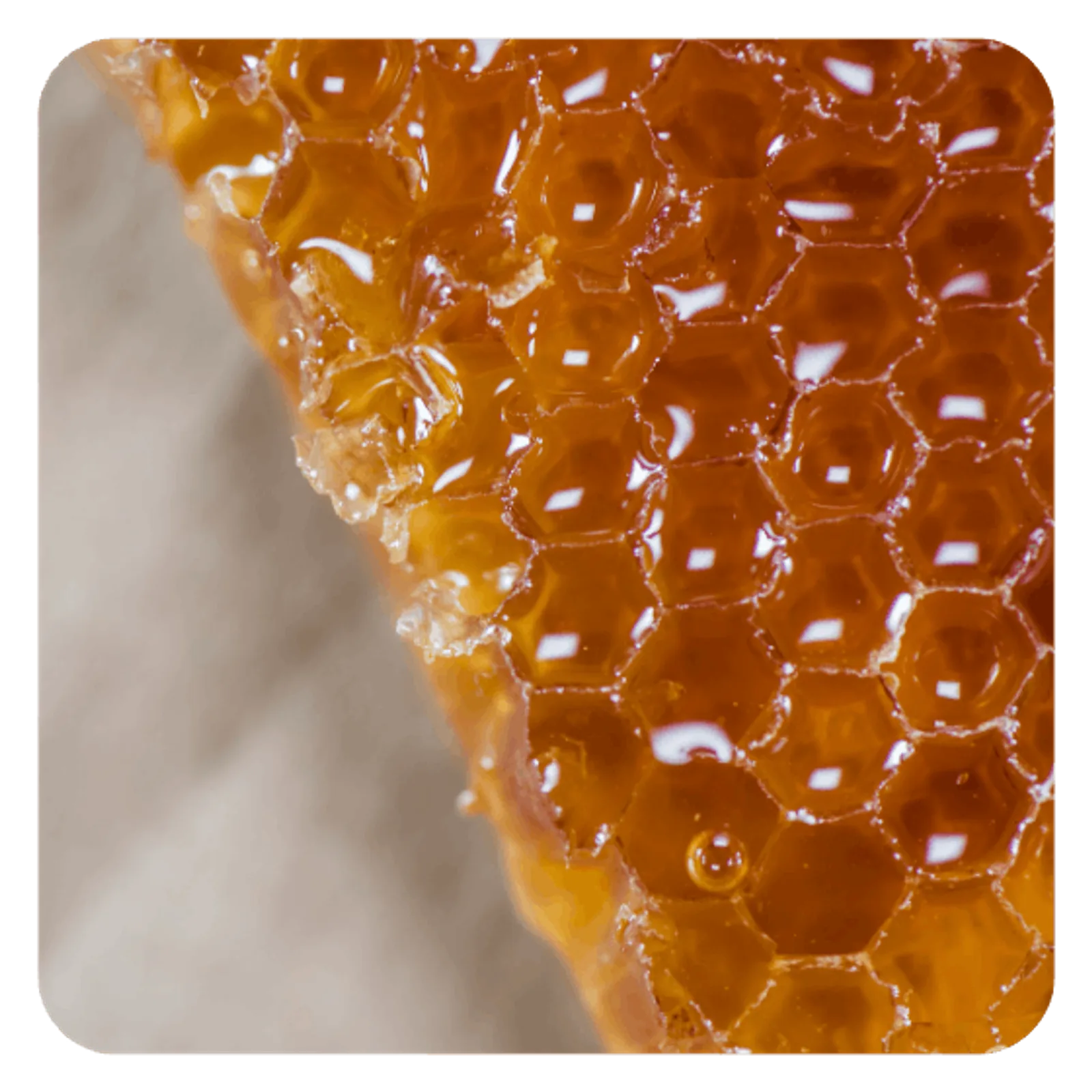
Honey HACCP templates you can start from
Each template is prefilled with the hazards, controls, and logs for that product, then fully editable in the plan builder.
Raw & raw filtered honey
Minimally processed honey that is warmed, strained, and settled but not heat treated. Emphasizes moisture control and foreign material removal since crystallization and yeast are managed without pasteurization.
Pasteurized & creamed honey
Heat treated honey, fine filtered to control crystallization and destroy spoilage yeasts, then often whipped or seeded to produce a spreadable, creamed texture.
Flavored & infused honey
Honey infused with fruit, herbs, spices, or garlic. Added ingredients raise the water activity of the mix and can require acidification or refrigerated, dated storage to control the botulinum risk from the infusion.
Example honey process flow
- Receive raw honey (drums) (CCP-1 · Residues & authenticity)
- Warm & liquefy (GMP control)
- Coarse strain & settle (Prerequisite)
- Pasteurize / heat treat (CCP-2 · Yeast)
- Fine filter (GMP control)
- Moisture / water activity check (CCP-3 · Fermentation)
- Blend, cream, or infuse (Allergen SOP)
- Fill & cap (GMP control)
- Metal detection & inspection (CCP-4 · Foreign material)
- Label & code date (Labeling SOP)
- Warehouse & ship (Prerequisite)
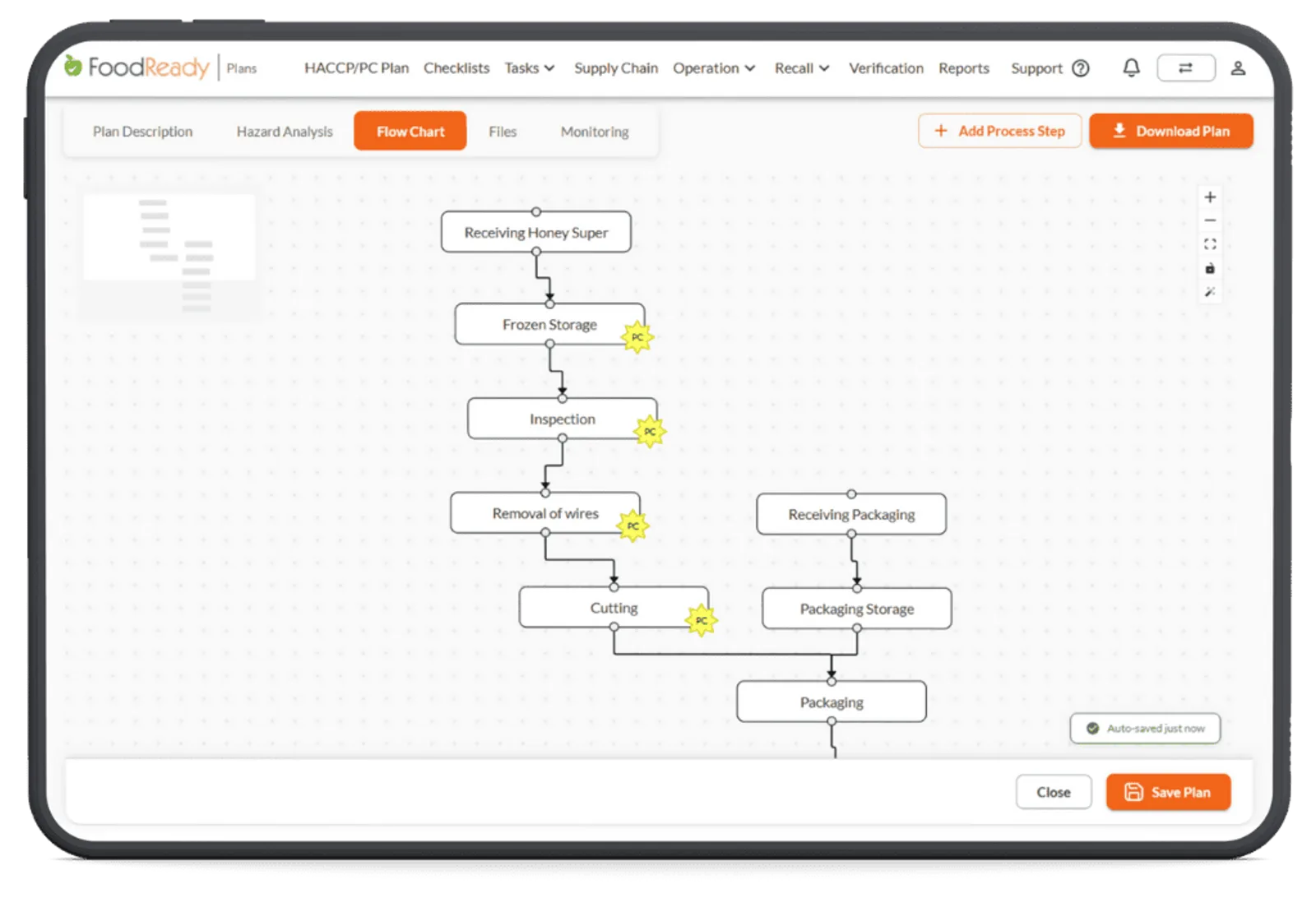
Honey hazard analysis and critical limits
Honey specific hazards only. Each critical control point below maps to the process flow above, with the control and critical limit an auditor or buyer expects to see.
| process step | hazard | type | control measure | critical limit |
|---|---|---|---|---|
| Receive raw honey | Antibiotic and pesticide residues, undeclared added sweeteners (economic adulteration) | Chemical | Receive only from approved, contracted suppliers with residue certificates; screen lots for added sugar syrups | Meets residue tolerances, passes authenticity screen |
| Pasteurize / heat treat | Osmophilic yeasts and spoilage organisms surviving processing | Biological | Heat honey to a validated time-temperature combination before fine filtration | ≥71°C (160°F) held for validated time |
| Moisture check | Osmophilic yeast fermentation in finished honey from excess moisture | Biological | Verify moisture content by refractometer before filling | Moisture ≤18.6% (water activity ≤0.6) |
| Metal detection | Metal fragments from extraction and processing equipment | Physical | Pass filled containers through a calibrated metal detector before case pack | Reject at validated detection threshold |
| Blend & infuse | Clostridium botulinum spores; infant botulism risk from consumption by children under 12 months | Biological | Do not use honey in infant foods; apply "not for infants under 12 months" label advisory; acidify or refrigerate garlic and herb infusions | Managed by label advisory and infusion SOP |
| Prep & assembly | Undeclared allergens (tree nuts, sesame) in flavored or infused lines | Chemical | Allergen control program, dedicated tools or validated cleaning, accurate labeling | Managed by allergen SOP and label verification |
Prerequisite programs that support the plan
A HACCP plan is not the whole food safety system. Good manufacturing practices must be in place first, in line with sanitary processing requirements.
Personnel
Hygiene, health reporting, and training practices.
Sanitary operations
Cleaning, sanitizing, and pest control routines.
Sanitary facilities
Water, plumbing, and handwashing controls.
Equipment & utensils
Food contact surface design and upkeep.
Processes & controls
Raw material, operation, and storage controls.
Plant & grounds
Facility layout and grounds maintenance.
Defect action levels
Limits for natural or unavoidable defects.
Warehousing & distribution
Storage and transport under safe conditions.
Logs, SOPs, and supply chain documents
Monitoring records must capture the actual observed value, for example the exact moisture reading or heat treatment time, recorded at the time of observation.
Logs & records
Evidence that the plan is running every day.
- Raw honey receiving log
- Residue and authenticity test results
- Pasteurization time-temperature log
- Moisture and water activity log
- Metal detector check log
- Corrective action forms
SOPs
Repeatable steps that mitigate hazards.
- Calibrating thermometers and refractometers
- Filtering and straining honey
- Cleaning and sanitizing extraction equipment
- Preventing allergen cross-contact
- Infusing and acidifying flavored honey
- True source labeling procedure
Supply chain documents
Controls that reach beyond your facility.
- Beekeeper and supplier declarations
- Antibiotic and residue certificates
- Country of origin and true source records
- Certificates of analysis (moisture, HMF, isotope screen)
- Pollen and isotope ratio test reports
- Allergen statements
Who needs a honey HACCP plan
Honey sits under FDA jurisdiction, not USDA. There is no single federally mandated honey HACCP rule like seafood or juice, but the right framework depends on how much you process and who you sell to.
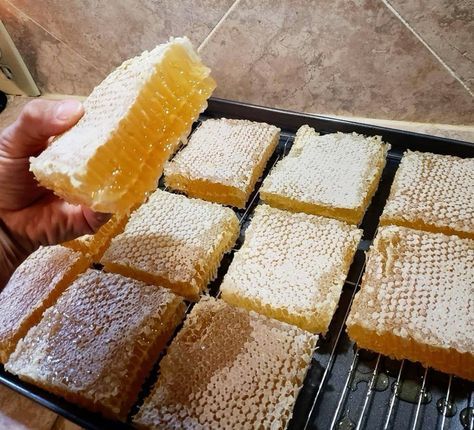
Apiaries selling raw, direct to consumer honey
Beekeepers extracting and bottling their own raw honey for direct sale often qualify for state cottage food or apiary exemptions. Once you sell wholesale, blend lots, or add ingredients, most states expect a registered facility and written food safety practices.
- State apiary and cottage food rules · vary by state
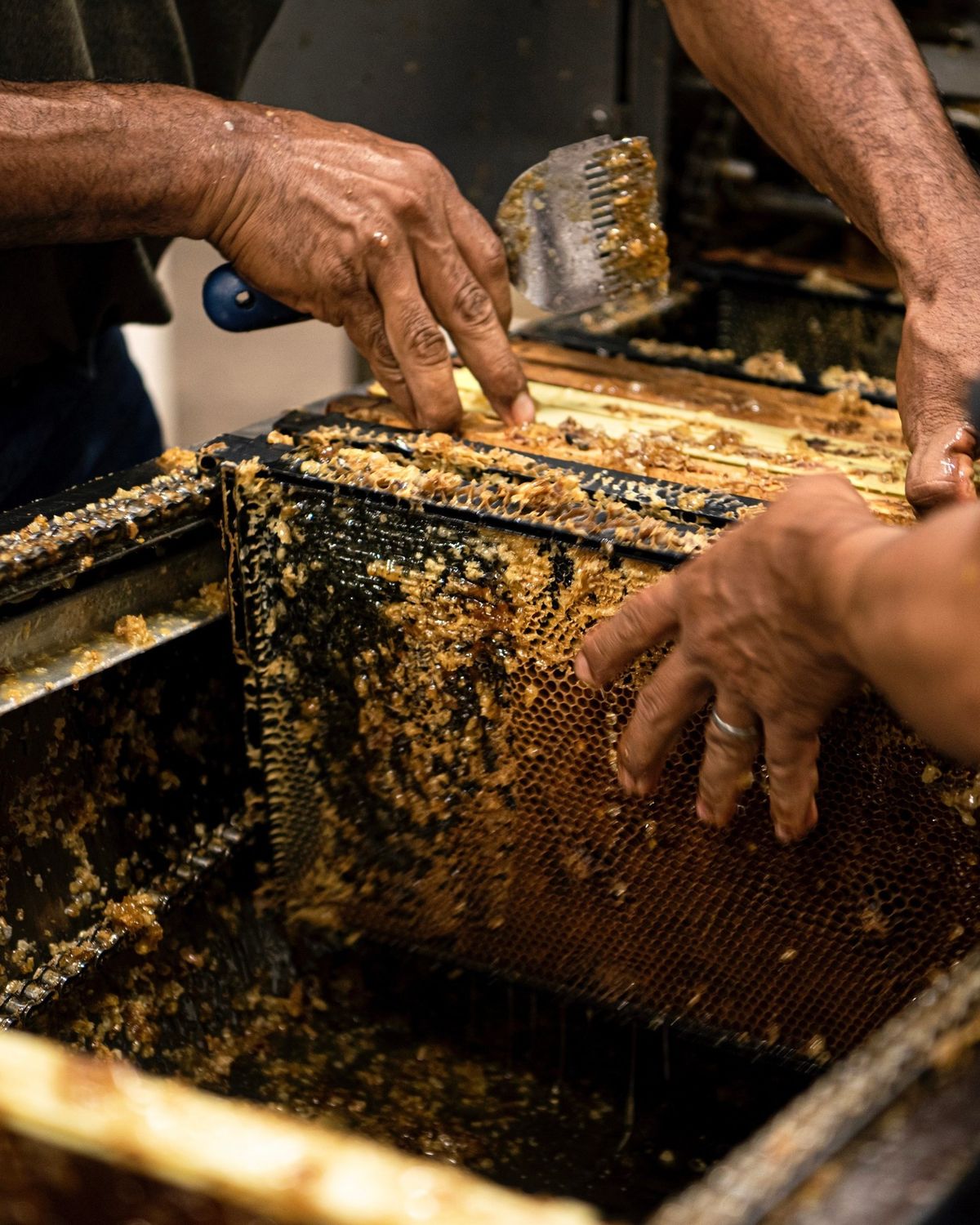
Honey packing houses and co-packers
Facilities that receive bulk honey, filter, pasteurize, blend, flavor, or private label it for retail or food service. These operations fall under general FDA food safety and labeling authority, and a documented hazard analysis is expected under FSMA.
- FDA Preventive Controls for Human Food · 21 CFR Part 117
Additional components for full compliance
These components are recommended to meet state and federal rules alongside your HACCP plan.
RECALL PLAN
Written recall plan
Under FSMA Preventive Controls for Human Food, a written recall plan is required when a hazard analysis identifies a hazard needing a preventive control.
A recall removes an adulterated, misbranded, or violative product from the market before it reaches consumers.
VERIFICATION & VALIDATION
Verification and validation
Verification confirms the plan is followed correctly each day across supply chain, sanitation, allergen, and critical controls.
Validation confirms the plan rests on sound science that is adequate to control the identified hazards.

Dave Seddon
Every FoodReady HACCP template is built and reviewed by practicing food safety professionals, then aligned to current FDA guidance. This honey plan follows the residue, adulteration, and moisture controls that auditors and buyers expect to see, so you start from a defensible baseline rather than a blank page.
- SQF Lead Auditor
- FDA Honey HACCP
- SOC 2 Type II platform
Honey HACCP, answered
Is a HACCP plan legally required for honey?
Not in the same way it is for seafood or juice, which have dedicated FDA HACCP rules. Honey packers and processors are covered by FDA's general Preventive Controls for Human Food rule under 21 CFR Part 117, which requires a hazard analysis and risk-based preventive controls. Retailers, co-packers, and GFSI schemes like SQF often require a documented HACCP-style plan on top of that.
Why can't honey be fed to infants under 12 months?
Honey can carry Clostridium botulinum spores. An adult or older child's gut flora typically keeps the spores from germinating, but an infant's digestive system may not, which can lead to infant botulism. This is managed through supplier controls and a label advisory rather than a processing step, since honey's low water activity does not eliminate the spores.
What moisture level should finished honey have
Most grading and quality standards target a moisture content at or below 18.6 percent, corresponding to a water activity around 0.6 or lower. Above that range, osmophilic yeasts naturally present in honey can begin to ferment the product, producing off flavors, gas, and package swelling.
How is honey adulteration detected?
FDA and industry labs commonly use stable carbon isotope ratio analysis to detect undeclared cane or corn syrup added to honey, alongside pollen analysis and other authenticity tests. Building supplier verification and lot-level authenticity testing into receiving is the most effective way to catch economically motivated adulteration before it reaches your label.
Do flavored or infused honey products need extra controls?
Often yes. Adding fruit, herbs, or garlic raises the water activity of the mixture and can create conditions that support Clostridium botulinum if the product is held at room temperature. Infused honey typically needs either acidification to a validated pH or refrigerated, dated storage, and your local health department can confirm what your specific process requires.
Start your honey HACCP plan today
Begin from a reviewed honey template, customize your control points, and generate audit ready documentation with the FoodReady plan builder.
Speak with our Expert Consultants
15–30 minutes. We map FoodReady to your process, plug in your real HACCP plan, and show you the auditor view before the call ends.