

Distribution HACCP Plan Templates & Examples for Compliance
Identify cold chain and warehousing hazards, set critical limits, and document every control point with a reviewed, editable distribution HACCP template and AI plan builder.
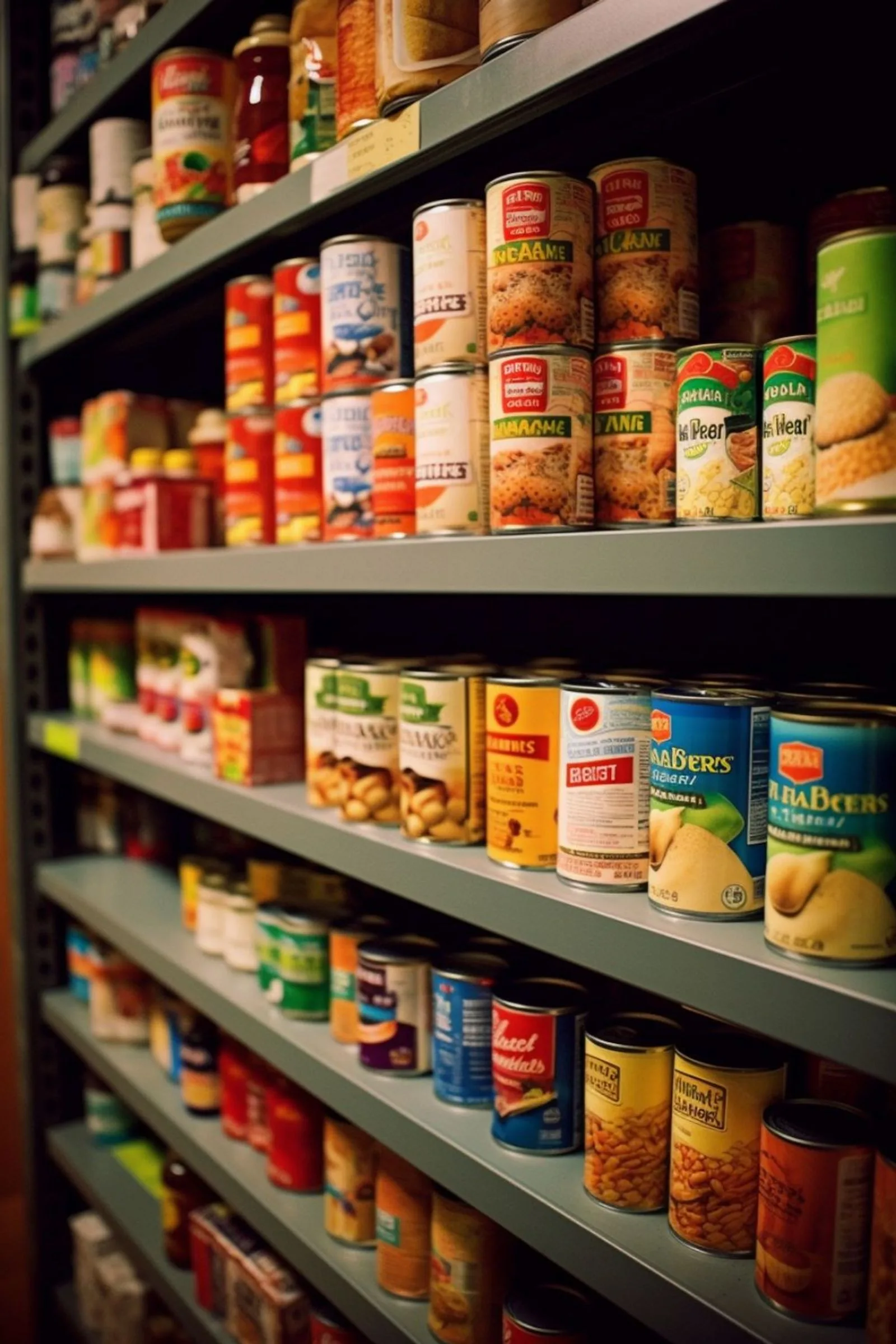
Distribution HACCP templates you can start from
Each template is prefilled with the hazards, controls, and logs for that product, then fully editable in the plan builder.
Refrigerated & frozen distribution
Cold storage and frozen distribution centers handling temperature control for safety foods. Emphasizes receiving temperature verification and continuous cold chain monitoring.
Dry & ambient goods distribution
Shelf stable and packaged goods distribution. Focuses on pest control, receiving inspection, storage segregation, and FIFO or FEFO rotation.
Multi temperature 3PL & cross-dock
Mixed dry, chilled, and frozen operations with cross-docking. Adds time-temperature abuse controls during staging and trailer pre-cool verification at dispatch.
Example distribution process flow
- Receive dry & ambient goods (Prerequisite)
- Dock inspection & inbound temp check (CCP-1 · Receiving temp)
- Put away to storage zone (GMP control)
- Refrigerated storage (CCP-2 · Cold chain)
- Frozen storage (GMP control)
- Order picking (Allergen SOP)
- Cross-dock & staging (CCP-3 · Time-temp)
- Load consolidation & packing (GMP control)
- Trailer pre-cool verification (GMP control)
- Outbound shipping & temp verification (CCP-4 · Cold chain)
Distribution hazard analysis and critical limits
Warehousing and cold chain specific hazards only. Each critical control point below maps to the process flow above, with the control and critical limit an auditor expects to see.
| process step | hazard | type | control measure | critical limit |
|---|---|---|---|---|
| Dock inspection | Growth of pathogens from temperature abuse of TCS foods before receiving | Biological | Verify vehicle and product temperature at the dock, reject or hold loads outside range | Refrigerated ≤4°C (40°F), frozen at or below -18°C (0°F) |
| Refrigerated storage | Growth of Listeria monocytogenes and Salmonella in stored TCS foods | Biological | Maintain and continuously monitor cooler air temperature, calibrate sensors regularly | ≤4°C (40°F) ambient, checked at least every 4 hours |
| Cross-dock & staging | Time-temperature abuse of refrigerated or frozen product during picking and staging | Biological | Limit and log cumulative time product spends out of temperature control | Cumulative time out of refrigeration ≤30 minutes per order |
| Outbound shipping | Loss of cold chain from inadequate trailer pre-cool or delayed transit | Biological | Pre-cool trailer before loading, verify product temperature at dispatch | Trailer air ≤1°C (34°F) before loading begins |
| Order picking | Undeclared allergen cross contact from damaged packaging or mispicks | Chemical | Allergen segregation by zone, damaged package hold procedure, pick verification | Managed by allergen SOP and pick verification |
| Receiving & storage | Pest activity and foreign material contamination of stored product | Physical | Pest control monitoring program, dock door integrity checks, damaged pallet inspection | No pest activity or physical contaminants at inspection |
Prerequisite programs that support the plan
A distribution HACCP or preventive controls plan is not the whole food safety system. Good warehousing practices must be in place first, in line with sanitary storage and transportation requirements.
Personnel
Hygiene, health reporting, and training practices.
Sanitation & pest control
Cleaning schedules, pest monitoring, and exclusion.
Facility & grounds
Dock door integrity, drainage, and grounds upkeep.
Equipment & calibration
Refrigeration units, thermometers, and forklift upkeep.
Receiving & supplier controls
Approved supplier program and document checks.
Warehousing & storage
FIFO or FEFO rotation and zone segregation.
Transportation
Vehicle sanitation and pre-cool verification.
Traceability & recall
Lot tracking and FSMA 204 key data elements.
Logs, SOPs, and supply chain documents
Monitoring records must capture the actual observed value, for example the exact temperature or elapsed time, recorded at the time of observation.
Logs & records
Evidence that the plan is running every day.
- Receiving and dock temperature log
- Warehouse temperature monitoring log
- Trailer pre-cool and load out log
- Cross-dock time-temperature log
- Corrective action forms
- Employee training and illness log
SOPs
Repeatable steps that mitigate hazards.
- Receiving inspection and rejection
- Temperature monitoring and calibration
- Cross-dock and staging time control
- Allergen segregation and recall
- Cleaning and sanitation
- Pest control and exclusion
Supply chain documents
Controls that reach beyond your facility.
- Carrier food safety agreements
- Certificates of analysis
- Bills of lading and shipping manifests
- Allergen statements
- Country of origin records
- Supplier verification records
Who needs a distribution HACCP plan
Distribution and warehousing sits mostly under FDA preventive controls rather than classic seafood or juice HACCP. The right framework depends on what you store, whether product is exposed, and whether you also handle transportation.
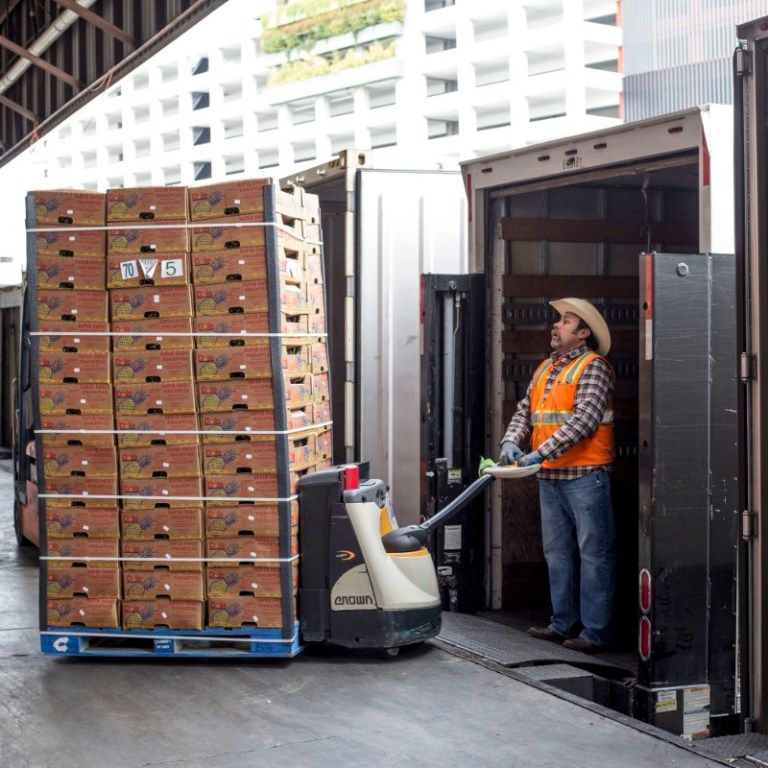
Third party logistics and public cold storage
Facilities that store and distribute packaged food on behalf of multiple owners. A written food safety plan covering temperature control, sanitation, allergen segregation, and pest management is expected even when product stays in its original packaging.
- FDA Preventive Controls for Human Food · 21 CFR Part 117
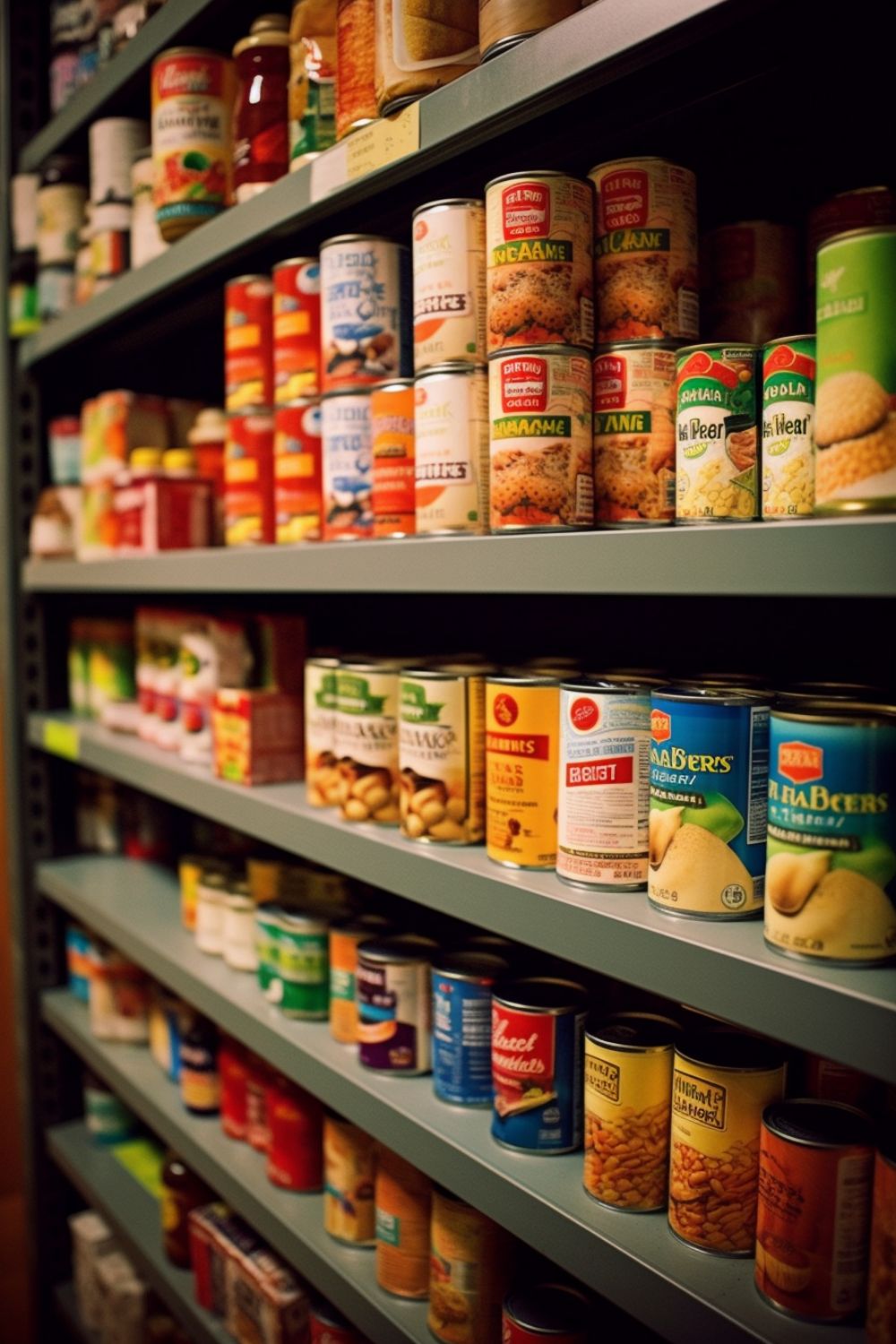
Company owned distribution centers and carriers
Distribution centers that also arrange or perform transportation of food by motor or rail vehicle must maintain sanitary conditions and temperature control during transit, alongside their warehousing food safety plan.
- FDA Sanitary Transportation Rule · 21 CFR Part 1, Subpart O
Additional components for full compliance
These components are recommended to meet state and federal rules alongside your HACCP plan.
RECALL PLAN
Written recall plan
Under FSMA Preventive Controls for Human Food, a written recall plan is required when a hazard analysis identifies a hazard needing a preventive control.
A recall removes an adulterated, misbranded, or violative product from the market before it reaches consumers.
VERIFICATION & VALIDATION
Verification and validation
Verification confirms the plan is followed correctly each day across supply chain, sanitation, allergen, and critical controls.
Validation confirms the plan rests on sound science that is adequate to control the identified hazards.

Dave Seddon
Every FoodReady HACCP template is built and reviewed by practicing food safety professionals, then aligned to current FDA guidance. This distribution plan follows the storage and transport hazards and controls that auditors expect to see, so you start from a defensible baseline rather than a blank page.
- SQF Lead Auditor
- FSMA Preventive Controls (PCQI)
- SOC 2 Type II platform
Distribution HACCP, answered
Does a distribution center need a HACCP plan or a food safety plan?
Most distribution centers that store and ship packaged food, without repacking or exposing product, need a hazard analysis and risk based preventive controls plan under FDA's Preventive Controls rule rather than a classic seven principle HACCP plan. Facilities distributing meat, poultry, egg, juice, or seafood may have additional USDA or FDA seafood requirements depending on what they handle.
What are the critical control points in a distribution HACCP plan?
The most common CCPs are inbound temperature verification at receiving, cold chain maintenance in refrigerated and frozen storage, control of time-temperature abuse during cross-docking or order staging, and temperature verification at outbound shipping. Your exact CCPs depend on the products you handle and whether you also perform transportation.
What is time-temperature abuse, and why is it a control point in distribution?
Time-temperature abuse happens when refrigerated or frozen product sits outside safe temperature ranges, for example while staged on a dock or during order picking. Because pathogens can grow during that window, distributors typically set a cumulative time limit out of temperature control and log it as a control point.
How does FSMA 204 traceability affect distributors?
FSMA 204 requires firms handling foods on the Food Traceability List to keep key data elements at critical tracking events, including receiving and shipping. Distribution centers handling these foods need traceability records and a lot code system that ties into their recall plan.
Can I edit the template for my own distribution network?
Yes. The template is a starting point. You can adjust hazards, control measures, critical limits, and logs to match your facilities, product mix, and transportation setup in the plan builder, and a food safety expert can review your customizations.
Start your distribution HACCP plan today
Begin from a reviewed cold chain and warehousing template, customize your control points, and generate audit ready documentation with the FoodReady plan builder.
Speak with our Expert Consultants
15–30 minutes. We map FoodReady to your process, plug in your real HACCP plan, and show you the auditor view before the call ends.