

Dairy HACCP plan templates & examples for compliance
Identify dairy processing hazards, establish critical limits, and document pasteurization, cooling, sanitation, allergen, and cold-chain controls with a reviewed, editable HACCP template.
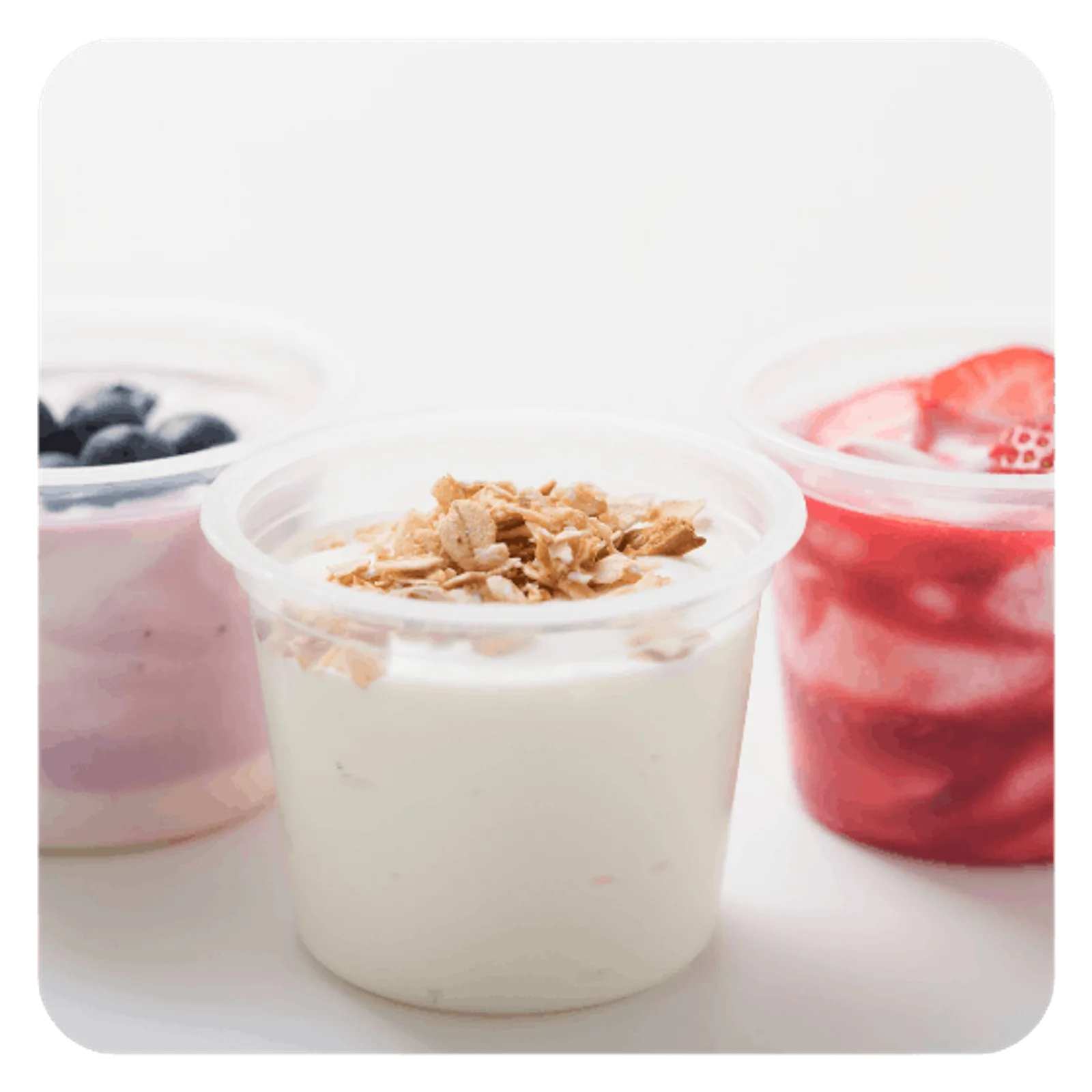
Dairy HACCP templates you can start from
Each template starts with dairy-specific hazards, controls, records, and process steps, then can be customized to match your product and facility.
Pasteurized fluid milk
For HTST or batch-pasteurized milk. Focuses on raw milk receiving, pasteurization, post-pasteurization protection, cold storage, and distribution.
Cheese and cultured dairy
For cheese, yogurt, cultured milk, and sour cream processes. Adds controls for culture, acidification, time-temperature, allergens, and post-process contamination.
Ice cream and frozen dairy
For frozen dairy desserts. Covers mix pasteurization, allergen control, post-pasteurization sanitation, inclusions, packaging, and frozen storage.
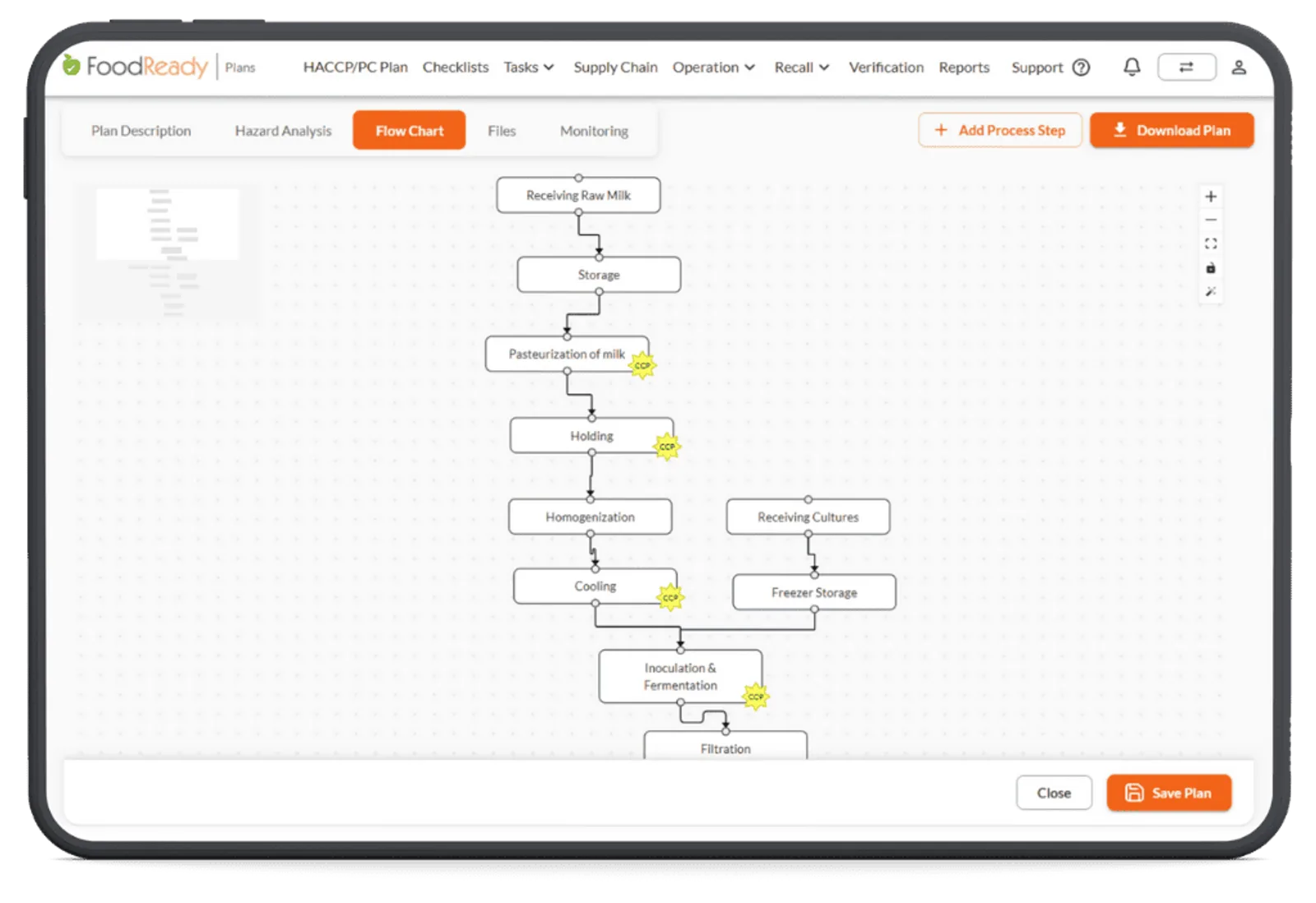
Example dairy processing flow
- Receive raw milk & ingredients (Supplier/receiving control)
- Raw milk cold storage (CCP-1 · Time/temperature)
- Standardize/blend (Formula / allergen control)
- Pasteurize (CCP-2 · Pathogen survival)
- Post-pasteurization handling (Sanitation control)
- Cool product (CCP-3 · Pathogen growth)
- Fill & package (GMP/package control)
- Label verification (CCP-4 · Allergens)
- Cold storage (CCP-5 · Temperature)
- Distribution (Cold-chain control)
Dairy hazard analysis and critical limits
Dairy-specific hazards and controls are mapped to the process flow below. Critical limits must be validated for the product, equipment, regulatory category, and processing method used at your facility.
| process step | hazard | type | control measure | critical limit |
|---|---|---|---|---|
| Raw milk receiving & storage CCP-1 | Growth of pathogens from inadequate time-temperature control in raw milk | Biological | Receive from approved sources and maintain controlled refrigerated storage before pasteurization | Maintain raw milk at ≤7°C (45°F), or the applicable PMO / state limit |
| Pasteurization CCP-2 | Survival of pathogens such as Salmonella, Listeria monocytogenes, Campylobacter, and pathogenic E. coli | Biological | Validated HTST, batch, or other legally recognized pasteurization process with functioning controls | Example HTST: ≥72°C (161°F) for ≥15 sec or validated product-specific PMO equivalent |
| Post-pasteurization handling | Recontamination of ready-to-eat dairy product with environmental pathogens | Biological | Hygienic zoning, sanitary equipment design, sanitation verification, employee hygiene, and environmental monitoring as appropriate | Managed through validated sanitation controls and monitoring records |
| Cooling / cold storage CCP-3 | Pathogen growth from inadequate cooling or refrigeration | Biological | Rapid cooling after pasteurization and continuous refrigerated storage | Cool and hold pasteurized milk at ≤7°C (45°F), or stricter validated / jurisdictional limit |
| Label verification CCP-4 | Undeclared milk or other major food allergens from formulation, rework, or label mix-up | Chemical | Allergen control program, line clearance, formulation-to-label reconciliation, and approved label checks | Correct allergen declaration and product label for every batch / SKU |
| Filling & packaging | Metal, glass, hard plastic, or packaging-related foreign material | Physical | Equipment inspection, preventive maintenance, container inspection, and validated foreign-material controls where used | No unacceptable foreign material detected; package integrity meets specification |
Prerequisite programs that support the plan
A HACCP plan is not the whole food safety system. Good manufacturing practices must be in place first, in line with sanitary processing requirements.
Personnel
Hygiene, health reporting, and training practices.
Sanitary operations
Cleaning, sanitizing, and pest control routines.
Sanitary facilities
Water, plumbing, and hand washing controls.
Equipment & utensils
Food contact surface design and upkeep.
Processes & controls
Raw material, operation, and storage controls.
Plant & grounds
Facility layout and grounds maintenance.
Defect action levels
Limits for natural or unavoidable defects.
Warehousing & distribution
Storage and transport under safe conditions.
Logs, SOPs, and supply chain documents
Monitoring records must capture the actual observed value, for example the exact temperature or pH, recorded at the time of observation.
Logs & records
Evidence that the plan is running every day.
- Raw milk receiving temperature log
- Pasteurization chart / time-temperature records
- Cooling and cold storage log
- Sanitation and environmental monitoring records
- Corrective action forms
- Calibration and verification records
Standard operating procedures
Repeatable steps that mitigate hazards.
- Pasteurizer operation and verification
- Thermometer and recorder calibration
- CIP / COP cleaning and sanitation
- Post-pasteurization contamination prevention
- Allergen control and label verification
- Cold-chain and finished-product handling
Supply chain documents
Controls that reach beyond your facility.
- Approved milk and ingredient supplier records
- Certificates of analysis
- Ingredient and packaging specifications
- Allergen statements
- Transportation / tanker records
- Traceability and lot documentation
Who needs a dairy HACCP plan
Dairy processors use HACCP to control hazards from raw milk receiving through pasteurization, packaging, storage, and distribution. The applicable framework depends on the product and whether the facility operates under the Grade A milk program.
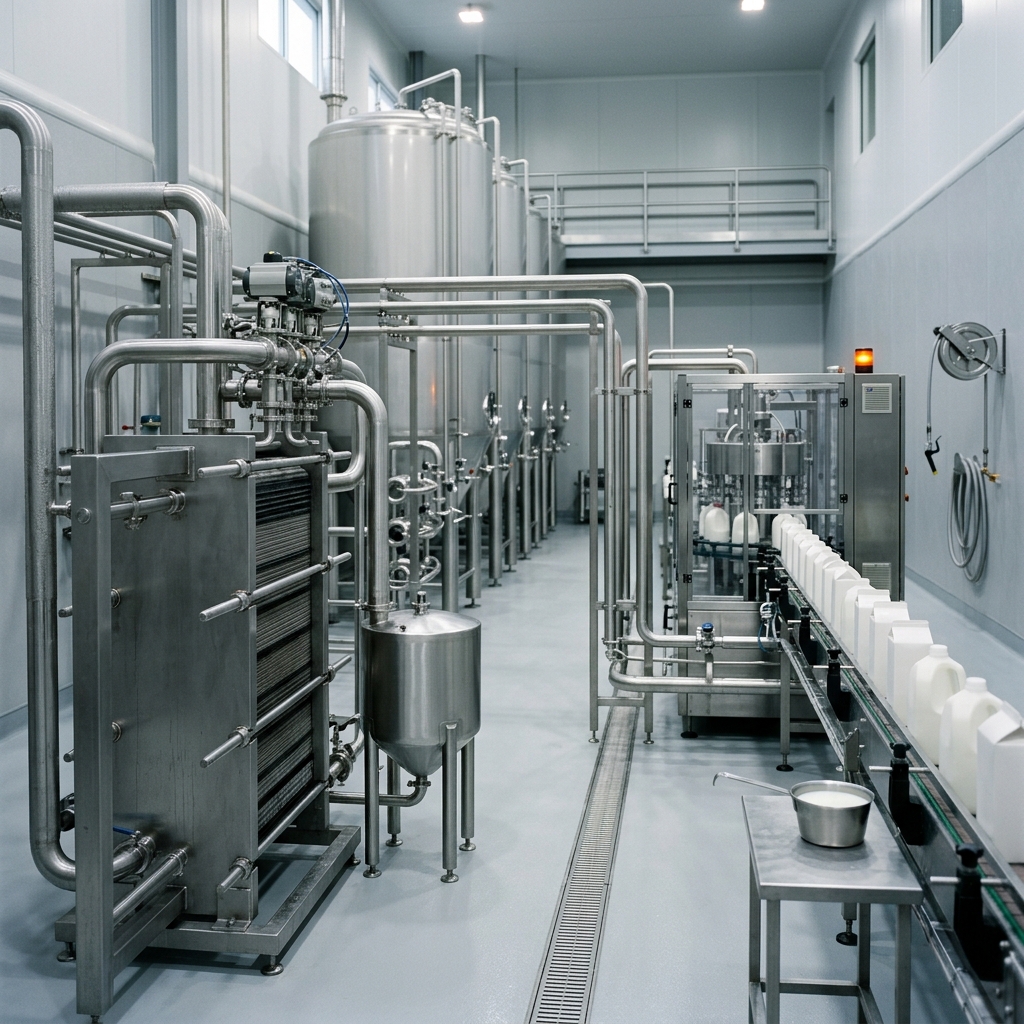
Fluid milk and Grade A dairy plants
Plants producing Grade A milk and milk products may operate under the NCIMS voluntary HACCP alternative. Pasteurization remains a key public health control and is managed as a critical control point in the HACCP system.
- FDA / NCIMS Grade A Pasteurized Milk Ordinance (PMO)
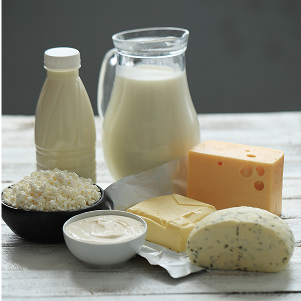
Cheese, cultured dairy, ice cream, and dairy ingredient plants
Dairy facilities outside the Grade A program may use HACCP alongside FSMA preventive controls. Their hazard analysis should address pathogens, allergens, sanitation, temperature control, foreign material, and other hazards relevant to the specific dairy product and process.
- FSMA Preventive Controls · 21 CFR Part 117
Additional components for full compliance
These components are recommended to meet state and federal rules alongside your HACCP plan.
Recall plan
Written recall plan
Under FSMA Preventive Controls for Human Food, a written recall plan is required when a hazard analysis identifies a hazard needing a preventive control.
A recall removes an adulterated, misbranded, or violative product from the market before it reaches consumers.
Verification & validation
Verification and validation
Verification confirms the plan is followed correctly each day across supply chain, sanitation, allergen, and critical controls.
Validation confirms the plan rests on sound science that is adequate to control the identified hazards.

Dave Seddon
Every FoodReady HACCP template is built and reviewed by practicing food safety professionals, then aligned to current FDA guidance. This sushi plan follows the seafood hazards and controls that auditors expect to see, so you start from a defensible baseline rather than a blank page.
- SQF Lead Auditor
- FDA Seafood HACCP
- SOC 2 Type II platform
Dairy HACCP, answered
Is HACCP required for dairy processing?
The requirements depend on the dairy product and regulatory program. Grade A plants may participate in the NCIMS voluntary HACCP alternative under the PMO. FDA-registered dairy facilities must also evaluate applicable FSMA preventive-control requirements.
What are common critical control points in a dairy HACCP plan?
Pasteurization is a central CCP in Grade A dairy HACCP. Depending on the product and process, additional controls may include raw milk time-temperature, cooling, refrigerated storage, allergen labeling, and other validated process controls.
What temperature is used for HTST milk pasteurization?
A common HTST benchmark for milk is at least 72°C (161°F) for at least 15 seconds. Actual legal time-temperature combinations depend on the milk product, formulation, process, and current PMO or applicable regulatory requirements.
Which hazards should a dairy HACCP plan address?
Typical considerations include pathogen survival, pathogen growth, post-pasteurization contamination, allergens, chemical residues where relevant, foreign material, sanitation failures, and cold-chain deviations. The final hazard analysis must be product and process specific.
Can I customize this template for cheese, yogurt, or ice cream?
Yes. Use the template as a starting point, then adjust the flow diagram, hazards, CCPs, critical limits, monitoring, corrective actions, verification, and records to match your exact dairy process.
Start your Dairy HACCP plan today
Begin with a reviewed dairy template, customize your process steps and control points, and generate audit-ready documentation with the FoodReady plan builder.
Speak with our Expert Consultants
15–30 minutes. We map FoodReady to your process, plug in your real HACCP plan, and show you the auditor view before the call ends.