

Cannabis HACCP Plan Templates & Examples for Compliance
Identify biological, chemical, and physical hazards, define critical controls, and document your cannabis edible process with a reviewed, editable HACCP template and AI plan builder.
Cannabis HACCP templates you can start from
Each starting point organizes common hazards, controls, records, and verification activities for a cannabis food process and can be customized for your formulation, equipment, and state rules.
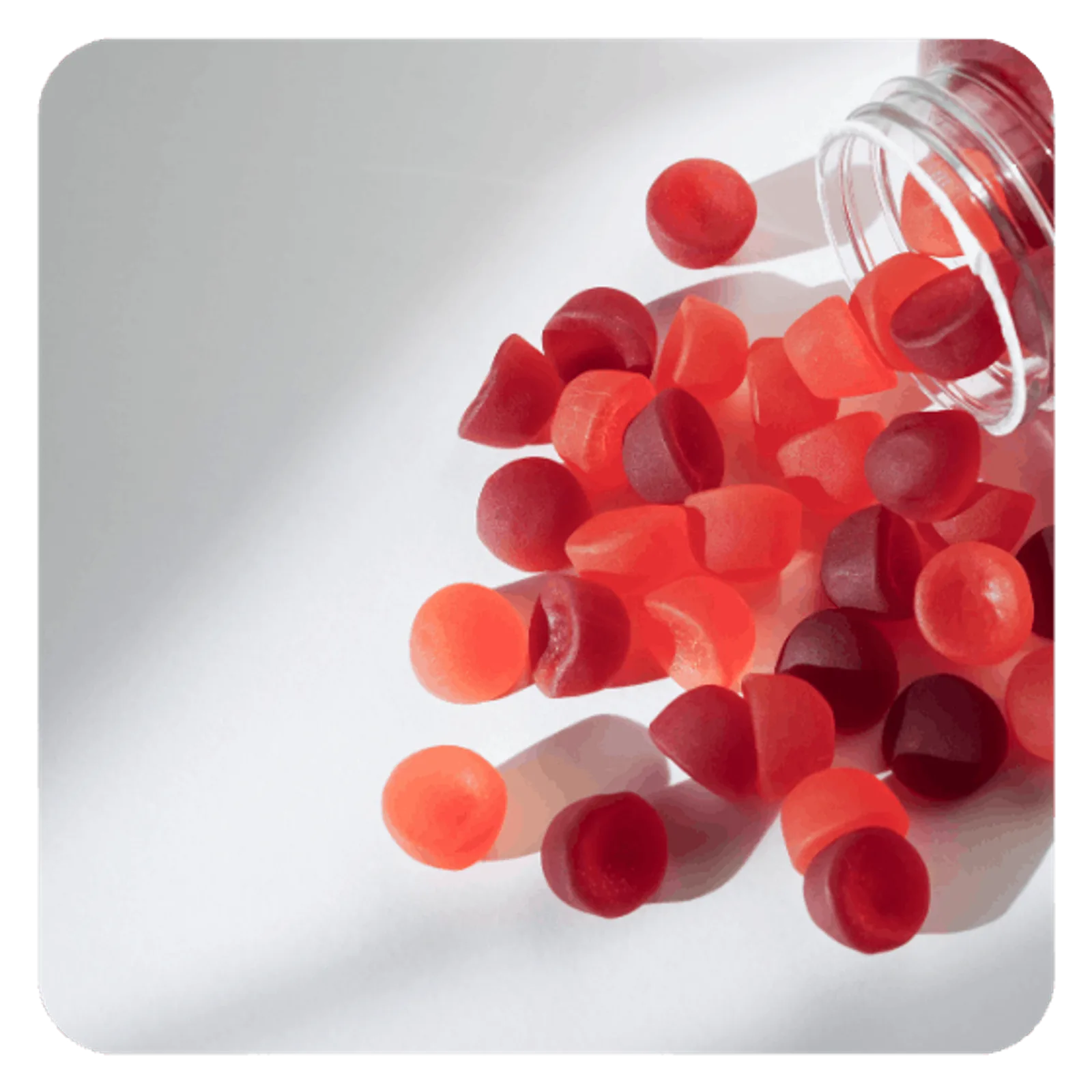
Cannabis gummies and chews
For gelatin- or pectin-based edibles. Focuses on ingredient control, validated heating, pH/water-activity targets where applicable, dosing uniformity, sanitation, and packaging.
Cannabis baked goods & chocolates
For brownies, cookies, chocolates, and similar foods. Emphasizes allergen control, kill steps where applicable, post-process contamination prevention, cannabinoid distribution, and label verification.
Cannabis beverages & infused foods
For beverages, syrups, sauces, and other infused products. Adds controls for formulation, pH or refrigeration where relevant, mixing consistency, filling, packaging integrity, and finished-product testing.
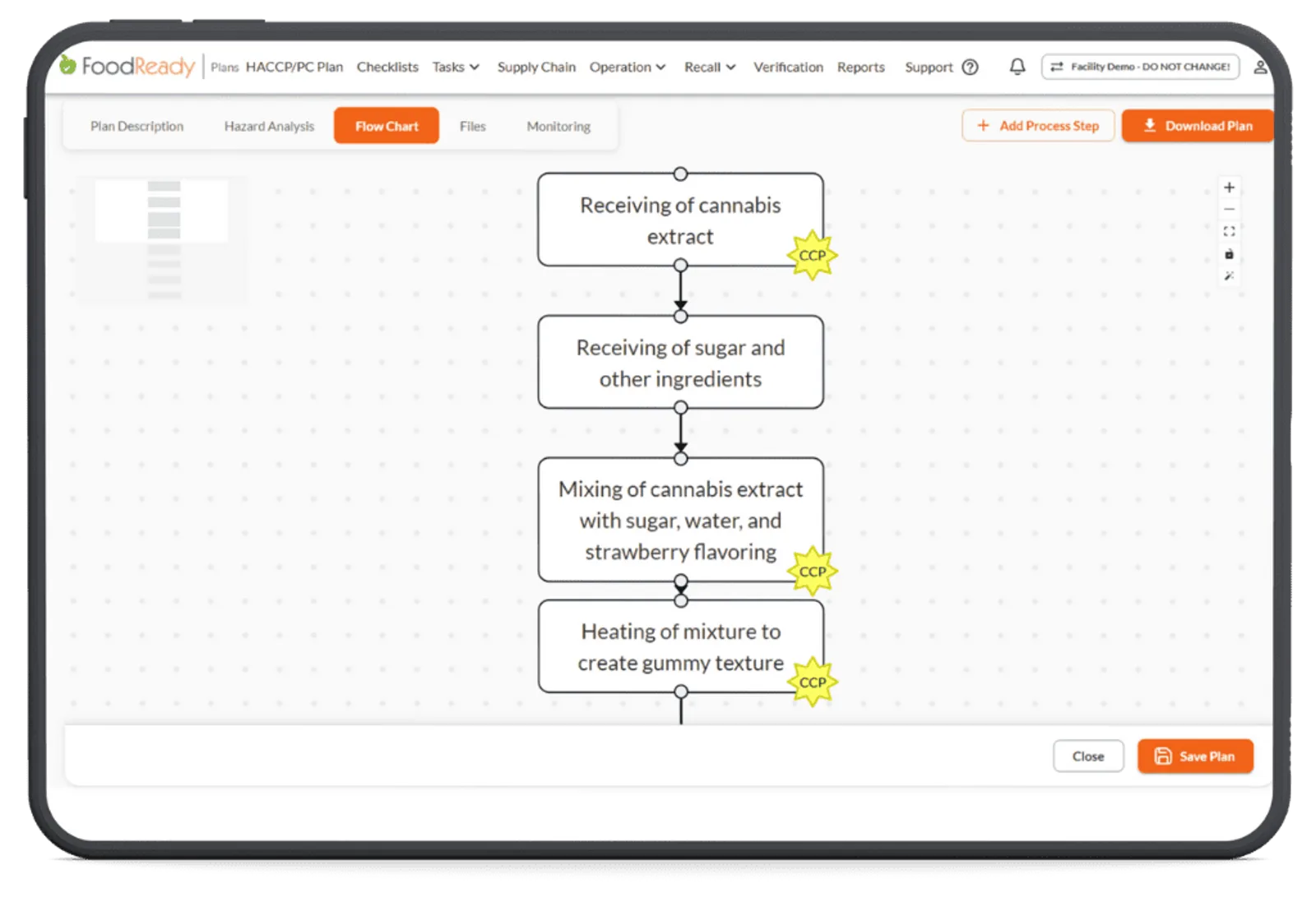
Example cannabis edible process flow
- Receive ingredients & packaging— Supplier control
- Receive cannabis ingredient— COA / lot verification
- Store & segregate materials— GMP / allergen control
- Cook / heat process — CCP-1— Pathogens
- Add cannabis & mix— Formula control
- Blend / homogenize — CCP-2— Potency uniformity
- Cool / set / finish— Time-temperature / sanitation control
- Portion & package— GMP / foreign material control
- Label verification — CCP-3— Dose / allergens
- Batch release & distribution — CCP-4— Testing / traceability
Cannabis hazard analysis and critical limits
This example maps common food-safety and cannabis-specific hazards to a typical edible manufacturing flow. Actual CCPs and limits must be validated for your formulation, process, equipment, testing program, and jurisdiction.
| process step | hazard | type | control measure | critical limit |
|---|---|---|---|---|
| Receive cannabis flower / extract — CCP-1 | Microbial contamination (e.g., Salmonella, E. coli, Aspergillus, yeast & mold) in raw cannabis | Biological | Approved suppliers, COA review including microbiological testing, visual inspection, and proper storage conditions | Meet approved microbial specifications: Total Yeast & Mold ≤10⁴ CFU/g; absence of Salmonella in 25 g |
| Decarboxylation / heat process — CCP-2 | Survival of vegetative pathogens due to inadequate heat treatment | Biological | Validated time-temperature process for decarboxylation and/or cooking | ≥74°C (165°F) for ≥15 seconds or validated equivalent |
| Cannabis addition & mixing — CCP-3 | Non-uniform cannabinoid distribution leading to inconsistent potency | Chemical | Controlled formulation, calibrated weighing, precise batching, defined mixing speed and time, and in-process potency checks | Potency variation within ±15% of target per unit |
| Allergen control — CCP-4 for allergen labeling | Undeclared allergens (e.g., milk, nuts, soy, wheat, eggs) in ingredients | Chemical | Approved allergen program, dedicated equipment, allergen verification, and label review | All declared allergens correctly labeled per regulatory requirements |
| Post-process handling | Recontamination from equipment, employees, environment, or cross-contact | Biological | SSOPs, hygienic zoning, employee hygiene, sanitation verification, and environmental monitoring | Managed through validated SSOPs and monitoring records |
| Foreign material control | Metal, glass, hard plastic, or other physical contaminants | Physical | Equipment inspection, preventive maintenance, metal detection/sieving, and visual inspection | No unacceptable foreign material detected at inspection/detection |
| Label verification — CCP-5 | Incorrect dose declaration, missing warnings, lot number, or allergen information | Chemical | Label approval, in-line label check, and batch-to-label reconciliation | Correct dose, warnings, allergens, lot number, and required statements on 100% of packages |
| Batch release — CCP-6 | Release of product that fails potency, contaminant, or residual solvent testing | Chemical | Hold-and-release program, third-party laboratory testing, COA review, and full traceability | Release only after all test results meet jurisdictional limits and specifications |
Prerequisite programs that support the plan
A HACCP plan is not the whole food safety system. Good manufacturing practices must be in place first, in line with sanitary processing requirements.
Personnel
Hygiene, health reporting, and training practices.
Sanitary operations
Cleaning, sanitizing, and pest control routines.
Sanitary facilities
Water, plumbing, and hand washing controls.
Equipment & utensils
Food contact surface design and upkeep.
Processes & formulation controls
Recipe, dosing, mixing, process, and storage controls.
Plant & grounds
Facility layout and grounds maintenance.
Testing & release controls
Microbial, contaminant, potency, and batch-release criteria.
Warehousing & distribution
Storage and transport under safe conditions.
Logs, SOPs, and supply chain documents
Monitoring records must capture the actual observed value, for example the exact temperature or pH, recorded at the time of observation.
Logs & records
Evidence that the plan is running every day.
- Ingredient and cannabis receiving log
- Cook / process temperature log
- Cannabis ingredient weighing & dosing log
- Batch release and distribution log
- Corrective action forms
- Employee training and illness log
Standard operating procedures
Repeatable steps that mitigate hazards.
- Calibrating thermometers
- Validated heating and cooling controls
- Cleaning and sanitizing contact surfaces
- Preventing cross contamination
- Allergen control program
- Cannabinoid weighing and batch reconciliation
Supply chain documents
Controls that reach beyond your facility.
- Supplier food safety plans
- Cannabis ingredient certificates of analysis
- Certificates of analysis
- Product formula and potency specifications
- Allergen and ingredient statements
- Cannabis lot and source records
Who needs a cannabis HACCP plan
Cannabis food manufacturing is regulated primarily at the state level. HACCP can provide a structured food-safety framework, but your plan must also reflect the cannabis manufacturing, testing, labeling, and traceability rules in the state where you operate.
Cannabis edible and infused-food manufacturers
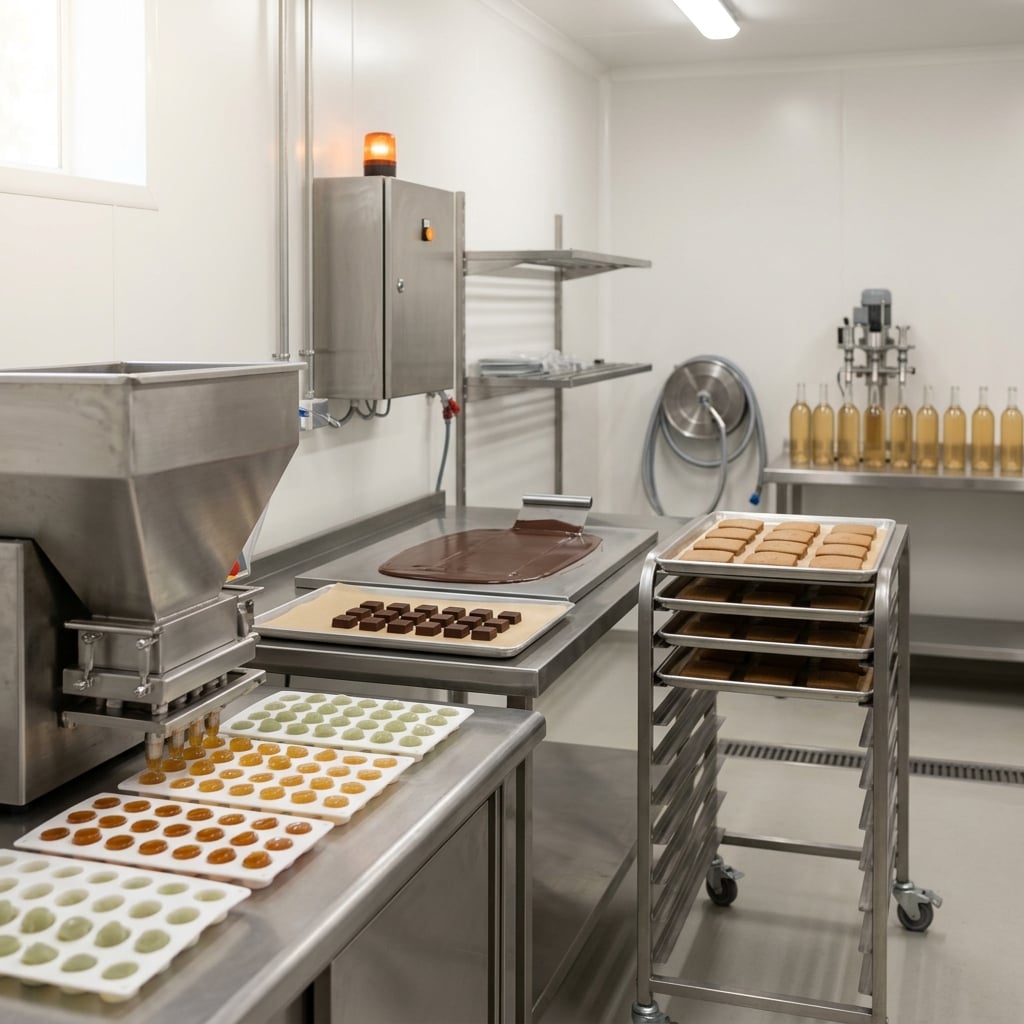
Facilities producing gummies, chocolates, baked goods, beverages, or other cannabis-infused foods need documented controls for ingredient safety, sanitation, cross-contamination, process consistency, potency, packaging, and labeling. Some jurisdictions may require HACCP or an equivalent food-safety plan.
- State cannabis regulations · state/local food safety requirements
Extract, infusion, and co-manufacturing facilities
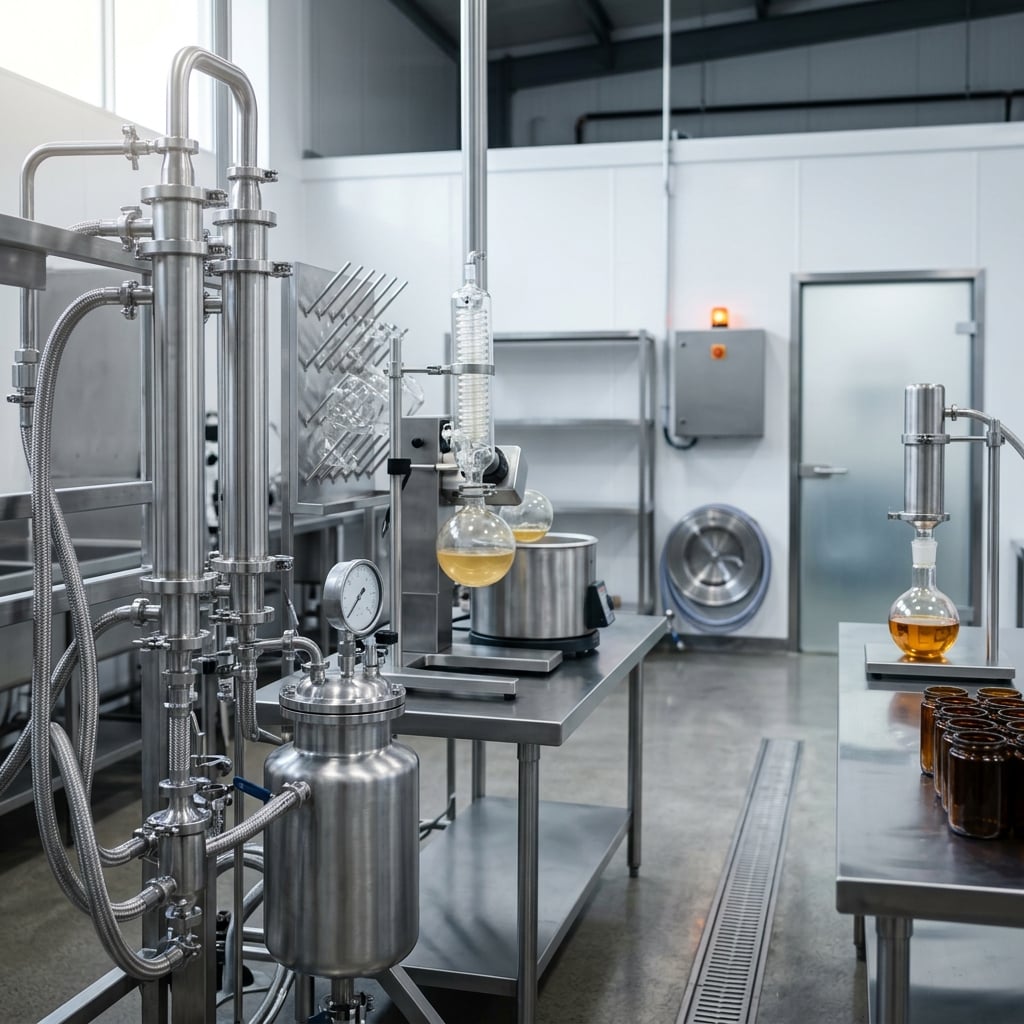
Operations that prepare cannabis extracts or incorporate cannabinoid ingredients into foods should assess process hazards, residual chemicals, foreign material, microbiological contamination, dosing uniformity, allergen cross-contact, and batch release controls.
- State cannabis manufacturing rules · applicable food GMP requirements
Additional components for full compliance
These components are recommended to meet state and federal rules alongside your HACCP plan.
RECALL PLAN
Written recall plan
Maintain a written recall and product-withdrawal procedure that defines responsibilities, lot identification, distribution records, communication steps, and disposition of affected cannabis products.
Your state cannabis regulator may impose specific recall, quarantine, track-and-trace, and reporting requirements, so the procedure should be aligned to your license conditions.
VERIFICATION & VALIDATION
Verification and validation
Verification confirms that monitoring, sanitation, formulation, label checks, laboratory release, corrective actions, and traceability activities are completed as written.
Validation confirms that process limits and control measures are scientifically or technically adequate for the identified food-safety hazards and your specific product formulation.

Dave Seddon
Every FoodReady HACCP template is built and reviewed by practicing food safety professionals, then aligned to current FDA guidance. This sushi plan follows the seafood hazards and controls that auditors expect to see, so you start from a defensible baseline rather than a blank page.
- SQF Lead Auditor
- FDA Seafood HACCP
- SOC 2 Type II platform
Cannabis HACCP, answered
Is a Cannabis HACCP plan federally required?
There is no single federal Cannabis HACCP regulation for state-legal THC edibles. Requirements vary by state and license type. HACCP is still a useful framework for controlling food-safety hazards and documenting process controls, but the plan must be customized to the rules that apply to your facility.
What hazards should a cannabis edible HACCP plan address?
Common hazards include pathogenic microorganisms, allergen cross-contact, chemical contaminants, foreign material, post-process contamination, formulation errors, cannabinoid dosing variability, incorrect labels, and release of batches that do not meet required test specifications.
Are potency limits considered HACCP critical limits?
Potency and serving-size limits are primarily cannabis compliance requirements rather than conventional food-safety critical limits. A facility may nevertheless manage weighing, mixing, dose verification, and label reconciliation as critical or preventive controls when those steps are essential to product conformity and consumer protection.
Do cannabis edibles need food GMP and sanitation programs?
Many state cannabis programs require food-like sanitation, ingredient, facility, and manufacturing controls for edible products. Prerequisite programs such as personnel hygiene, cleaning and sanitizing, allergen control, pest control, supplier approval, calibration, and traceability should support the HACCP plan.
Can I customize this template for gummies, chocolates, or beverages?
Yes. The template is a starting point. Hazards, CCPs, critical limits, monitoring frequencies, corrective actions, and records should be adjusted to your ingredients, formulation, equipment, packaging, storage conditions, testing program, and state cannabis regulations.
Start your Cannabis HACCP plan today
Begin with a structured cannabis food-safety template, customize hazards and controls for your process, and generate audit-ready documentation with the FoodReady plan builder.
Speak with our Expert Consultants
15–30 minutes. We map FoodReady to your process, plug in your real HACCP plan, and show you the auditor view before the call ends.