

Beef HACCP plan templates & examples for compliance
Identify beef processing hazards, define control measures and critical limits, and document monitoring, corrective actions, verification, and records with a reviewed, editable Beef HACCP template.
Create a USDA-approved HACCP plan for raw, cooked, or frozen beef products.
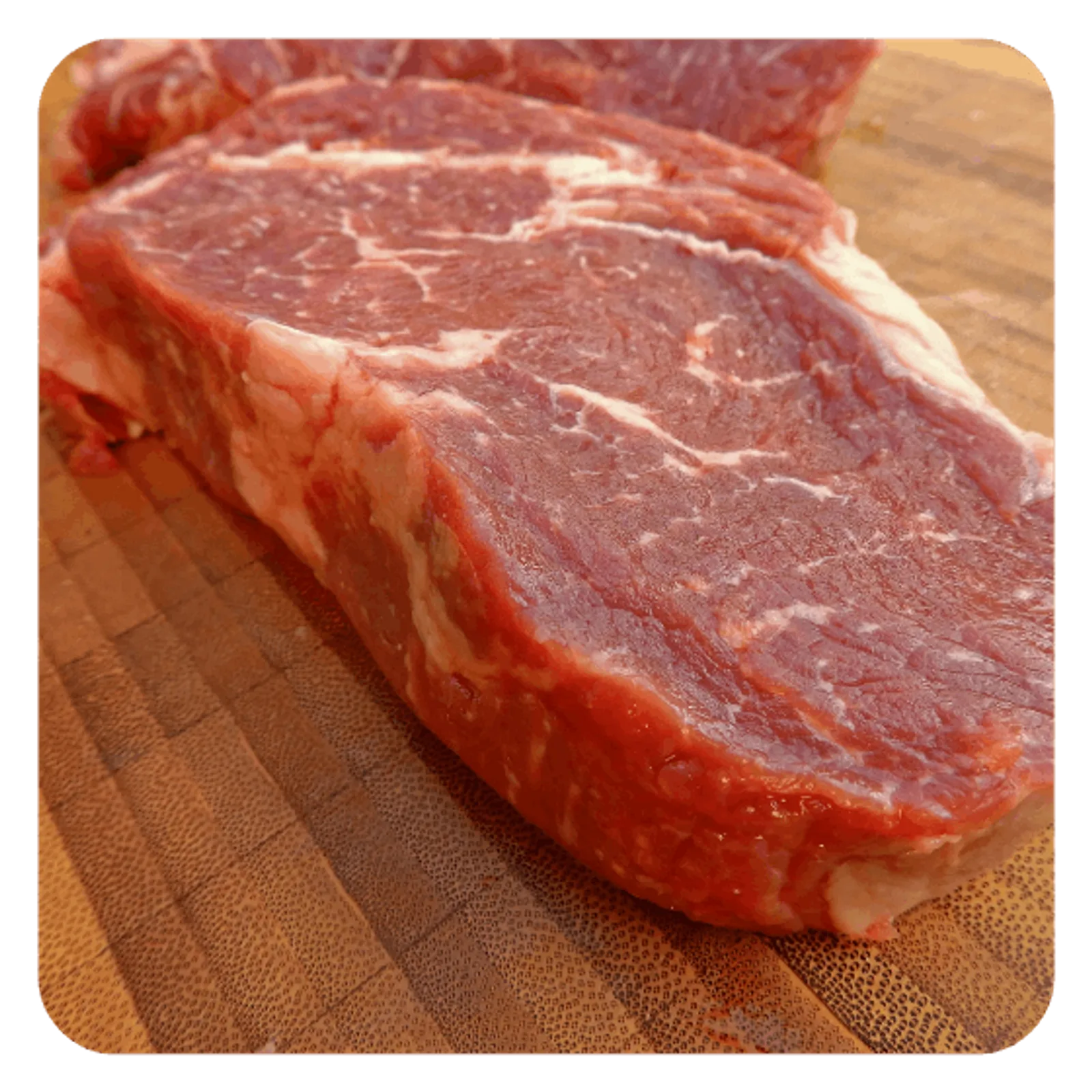
Beef HACCP templates you can start from
Start with the product and process that best matches your operation, then edit the hazards, CCPs, critical limits, monitoring, corrective actions, and verification activities.
Beef slaughter & fabrication
For cattle slaughter and carcass fabrication. Focuses on sanitary dressing, contamination prevention, antimicrobial interventions, chilling, and verification.
Raw ground beef
For beef trim, grinding, blending, forming, packaging, and refrigerated or frozen distribution. Emphasizes STEC controls, lot traceability, sanitation, and foreign-material control.
Cooked / RTE beef
For roast beef, cooked patties, and other ready-to-eat beef products. Adds validated lethality, stabilization, post-lethality sanitation, and Listeria controls where applicable.
Example raw ground beef process flow
- Receive beef trim & ingredients (Supplier control)
- Receiving inspection & lot verification (STEC / source control)
- Refrigerated raw storage (Time-temperature control)
- Trim / fabricate (SSOP / GMP control)
- Validated antimicrobial intervention (CCP-1 · STEC)
- Grind / blend / form (Lot & sanitation control)
- Metal detection (CCP-2 · Physical)
- Package & label (Label / traceability control)
- Finished product cold storage (CCP-3 · Cold chain)
- Release & ship (Verification / records)
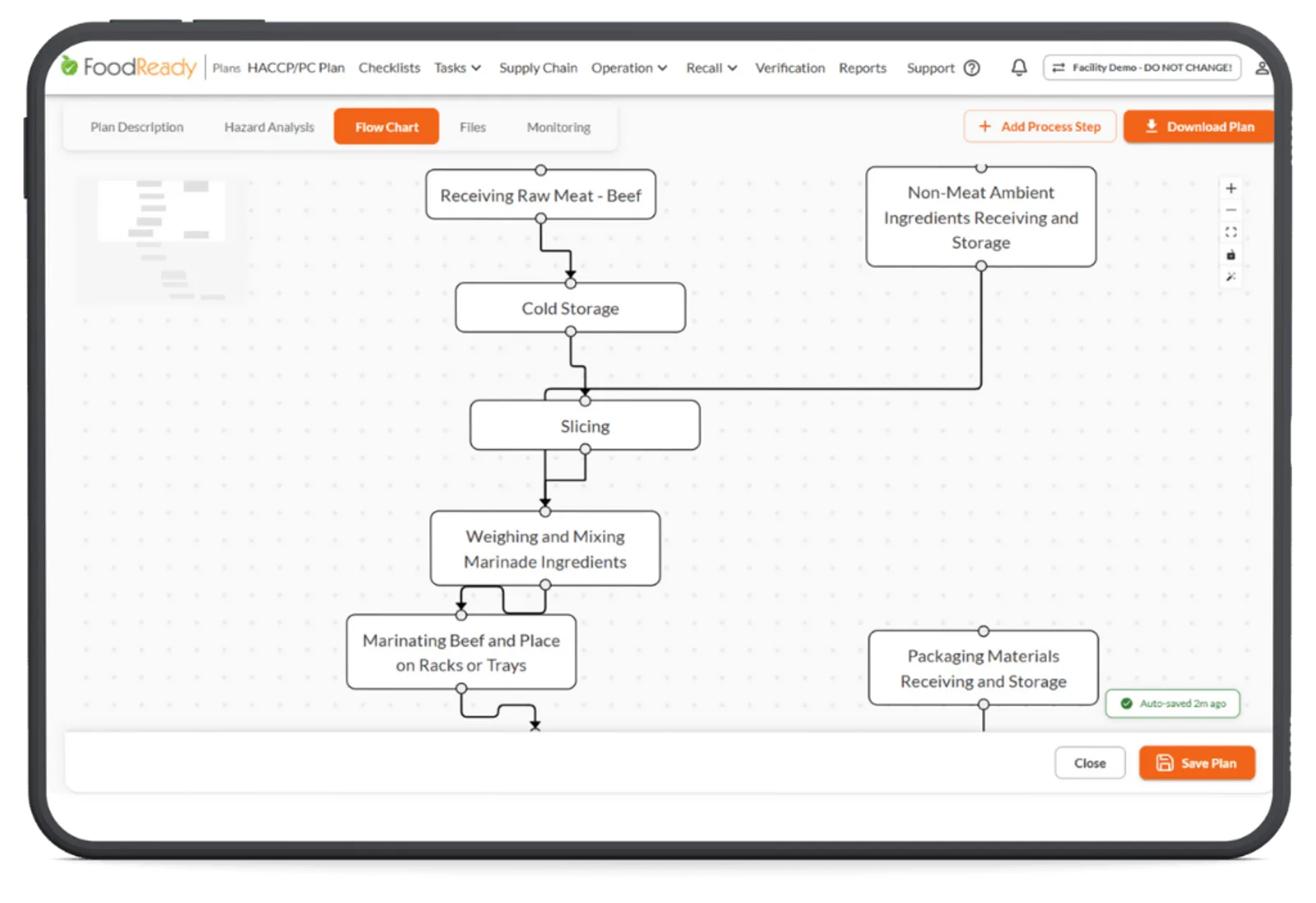
Beef hazard analysis and example critical limits
Beef hazards and control measures vary by slaughter, raw processing, grinding, cooking, packaging, and distribution. The examples below show how key hazards can be mapped to controls without implying that every facility will use the same CCPs.
| process step | hazard | type | control measure | critical limit |
|---|---|---|---|---|
| Receiving beef trim | Shiga toxin-producing E. coli (STEC), including E. coli O157:H7 and regulated non-O157 STEC | Biological | Approved supplier program, lot identification, COA/specification review where used, receiving controls, and establishment verification | Meet approved supplier / lot specifications and establishment receiving criteria |
| Antimicrobial intervention CCP-1 | STEC and other enteric pathogens on raw beef surfaces | Biological | Apply a scientifically supported antimicrobial intervention at validated concentration, temperature, pressure, contact time, or other operating parameters | Operate within the validated, product-specific intervention parameters documented in the HACCP plan |
| Grinding / blending | Cross-contamination or carryover between raw beef lots | Biological | Sanitation controls, equipment cleaning, lot control, production sequencing, and traceability | Meet SSOP, lot-control, and sanitation verification requirements |
| Metal detection CCP-2 | Metal fragments from grinding, cutting, or processing equipment | Physical | Validated metal detector or equivalent foreign-material control with routine performance checks | Detector sensitivity and challenge checks meet the facility's validated specification |
| Finished product cold storage CCP-3 | Pathogen growth due to loss of temperature control | Biological | Maintain validated refrigerated or frozen storage and shipping conditions | Maintain product at the establishment's validated cold-chain limit; record actual temperature |
| Cook / lethality (RTE variant) | Survival of Salmonella or other vegetative pathogens in cooked beef | Biological | Validated time-temperature-humidity lethality process supported by FSIS guidance or equivalent scientific support | Use a specific validated time / temperature parameter from the establishment's supported lethality process |
| Packaging & labeling | Incorrect label, lot code, safe-handling instruction, or undeclared ingredient / allergen where applicable | Chemical | Approved label control, line clearance, formulation verification, and batch-to-label reconciliation | Correct approved label and lot identification for every production lot |
Prerequisite programs that support the plan
A HACCP plan is not the whole food safety system. Good manufacturing practices must be in place first, in line with sanitary processing requirements.
Sanitation SOPs
Pre-operational and operational sanitation procedures and records.
Sanitary dressing
Controls that minimize carcass contamination during slaughter and fabrication.
Supplier approval
Specifications, purchase controls, documentation, and supplier verification.
Temperature control
Refrigerated and frozen storage, monitoring, and transportation controls.
Lot traceability
Raw material identification, grind logs, rework control, and finished-lot linkage.
Equipment controls
Preventive maintenance, calibration, and foreign-material prevention.
Employee practices
Hygiene, training, handling practices, and traffic controls.
Recall & disposition
Product hold, disposition, recall readiness, and supporting traceability records.
Logs, SOPs, and supply chain documents
HACCP records should document the actual observations and measurements used to show that critical limits and other controls were met.
Logs & records
Evidence that the plan is running every day.
- Raw materials and receiving log
- CCP monitoring records
- Temperature and cold-storage records
- Antimicrobial intervention records
- Metal detector verification log
- Corrective action and disposition records
SOPs & verification
Repeatable steps that mitigate hazards.
- Pre-operational sanitation SOP
- Operational sanitation SOP
- Thermometer and instrument calibration
- Grinding and lot-control procedure
- Foreign-material control procedure
- HACCP verification and reassessment procedure
Supply chain documents
Documentation supporting decisions in the hazard analysis and HACCP plan.
- Supplier specifications and guarantees
- Certificates of analysis where applicable
- Intervention validation documentation
- Lethality / stabilization support for RTE beef
- Product and process specifications
- Traceability and recall documentation
Who needs a Beef HACCP plan
Federally inspected beef slaughter and processing establishments operate under USDA-FSIS requirements. HACCP plans must be based on the establishment's own products, process flow, hazard analysis, and supported control measures.
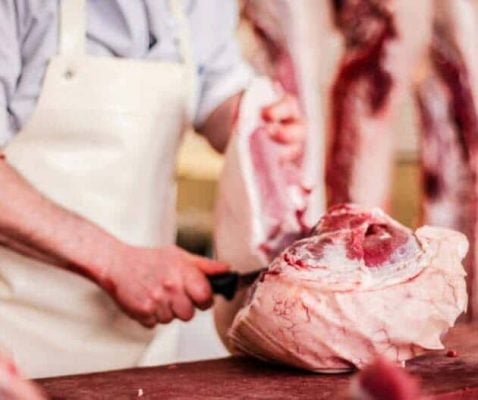
Slaughter & fabrication
Beef slaughter and fabrication establishments
Facilities slaughtering cattle or fabricating carcasses must evaluate biological, chemical, and physical hazards at each process step. Controls commonly focus on sanitary dressing, fecal contamination prevention, antimicrobial interventions, chilling, and verification of process control.
- USDA-FSIS · Federal Meat Inspection Act · 9 CFR Part 417
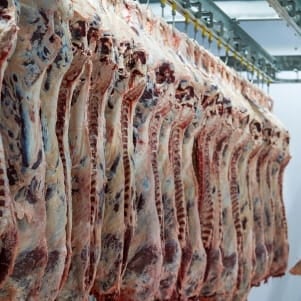
Further processing
Ground, raw, and ready-to-eat beef processors
Grinding, forming, cooking, cooling, packaging, and other further-processing operations require a hazard analysis specific to the product and process. STEC, Salmonella, post-lethality contamination, temperature control, and foreign material may require preventive measures or CCPs.
- USDA-FSIS HACCP · Sanitation SOPs · Product-specific guidance
Additional components for a defensible Beef HACCP system
These elements help demonstrate that the plan is scientifically supported, implemented as written, and updated when products or processes change.
Validation & scientific support
Support your critical limits and controls
Keep scientific or technical documentation showing that interventions, lethality processes, stabilization procedures, and other controls can achieve the intended food safety outcome when implemented within the stated operating parameters.
Initial validation should connect the supporting documentation to actual in-plant implementation.
Verification & reassessment
Verify and reassess the HACCP system
Verification confirms that monitoring, corrective actions, calibration, record review, and other procedures are completed as required and that the HACCP system is functioning as intended.
Reassess the hazard analysis and HACCP plan when changes occur and at the frequency required by the applicable FSIS HACCP regulations.

Dave Seddon
Every FoodReady HACCP template is built and reviewed by practicing food safety professionals, then aligned to current FDA guidance. This sushi plan follows the seafood hazards and controls that auditors expect to see, so you start from a defensible baseline rather than a blank page.
- SQF Lead Auditor
- FDA Seafood HACCP
- SOC 2 Type II platform
Beef HACCP, answered
Is beef HACCP regulated by FDA or USDA-FSIS?
Federally inspected beef slaughter and processing establishments are regulated by USDA's Food Safety and Inspection Service. HACCP requirements for meat establishments are found in 9 CFR Part 417. FDA HACCP rules for seafood and juice are separate programs.
What hazards should a Beef HACCP plan consider?
The hazard analysis should evaluate biological, chemical, and physical hazards that may occur in the establishment's actual process. Depending on the product and operation, relevant hazards may include STEC, Salmonella, post-lethality Listeria contamination, temperature abuse, chemical residues, allergens or ingredients of public health concern, and foreign material.
What are common CCPs in beef processing?
There is no universal CCP list. Depending on the operation, CCPs may include validated antimicrobial interventions, cooking or lethality, stabilization or cooling, metal detection, or other controls identified by the establishment's hazard analysis. Each critical limit needs appropriate supporting documentation.
How should a ground beef processor address STEC?
The establishment should evaluate STEC in its hazard analysis and use supported controls appropriate to its process. Supplier programs, antimicrobial interventions, sanitation, lot identification, testing or verification activities, and product disposition may all be part of the overall control system.
Can I use this template for cooked or ready-to-eat beef?
Yes, as a starting point. A cooked or RTE beef plan should be customized to include the validated lethality process, stabilization or cooling, post-lethality exposure controls, sanitation, and any Listeria-related controls that apply to the specific product and process.
Start your Beef HACCP plan today
Begin with a reviewed beef processing template, customize the hazards and controls for your facility, and organize the records, verification activities, and supporting documentation needed for a defensible HACCP system.
Speak with our Expert Consultants
15–30 minutes. We map FoodReady to your process, plug in your real HACCP plan, and show you the auditor view before the call ends.