

Bakery HACCP Plan Templates & Examples for Compliance
Identify bakery food-safety hazards, define preventive controls and critical limits, and document ingredient receiving, allergen management, baking, cooling, filling, sanitation, monitoring, and verification with an editable FoodReady template.
Create a USDA-approved HACCP plan for baked goods.
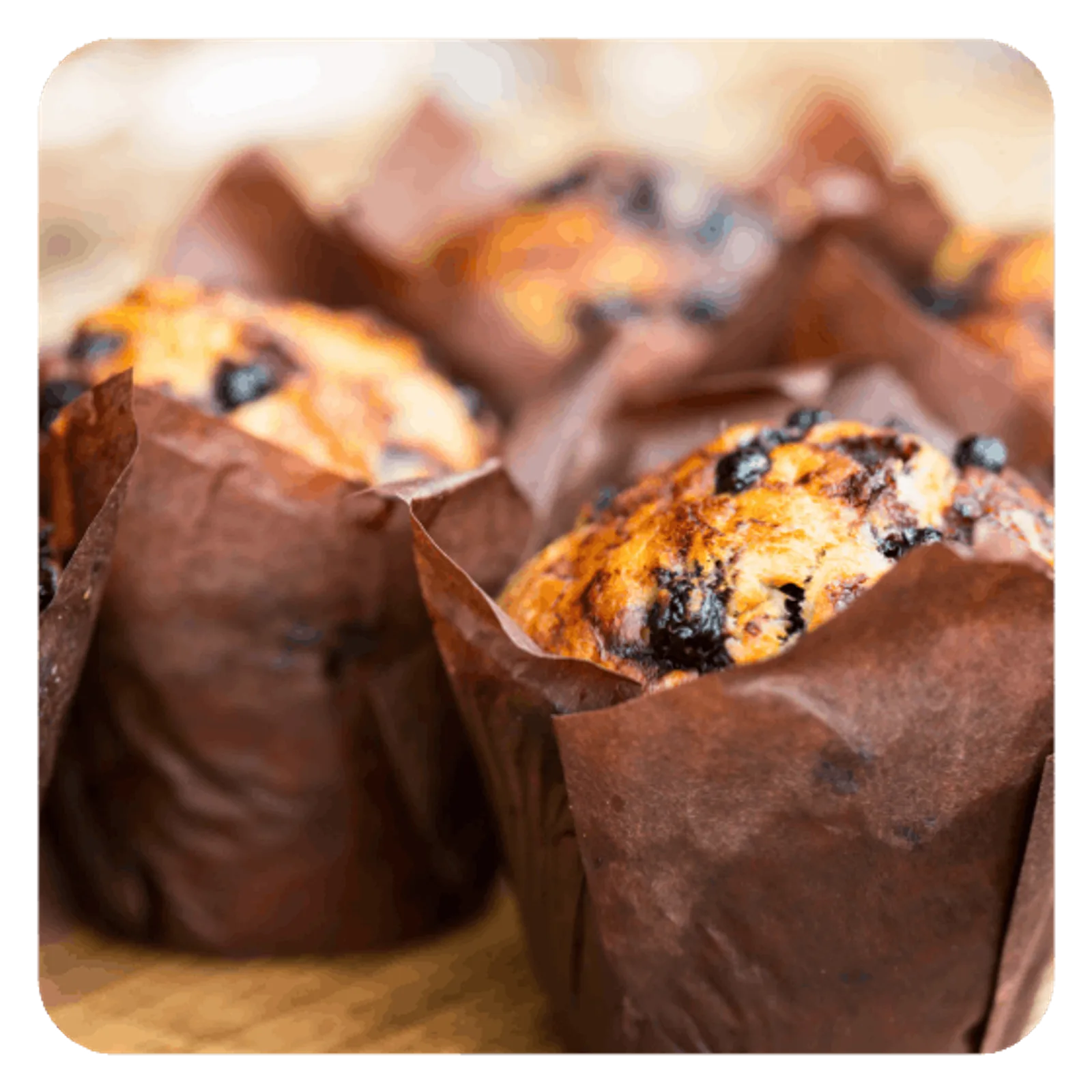
Bakery HACCP templates you can start from
Choose the bakery category closest to your process, then customize the hazards, preventive controls, CCPs, limits, monitoring, corrective actions, and verification procedures.
Bread & rolls
For bread, buns, rolls, and similar baked products. Focuses on raw flour and ingredient controls, baking, allergens, post-bake handling, foreign material, and packaging.
Cakes, cookies & pastries
For cakes, cookies, muffins, pastries, and decorated products. Adds stronger allergen, rework, topping, icing, post-bake handling, and label controls.
Cream-filled & refrigerated bakery
For custard, cream, cheesecake, mousse, dairy-filled pastries, and similar products requiring time-temperature control after baking or filling.
Example bakery process flow
- Receive ingredients & packaging (Supplier control)
- Dry / refrigerated ingredient storage (Storage / segregation)
- Scale / weigh ingredients (Formula / allergen control)
- Mix / form / proof (GMP / process control)
- Bake(CCP-1 · Lethality)
- Cool (Hygiene / time-temperature control)
- Fill / ice / decorate (Allergen / sanitation control)
- Metal detection (CCP-2 · Physical)
- Package & label (Label / traceability)
- Store & ship (CCP-3 · Cold chain, if required)
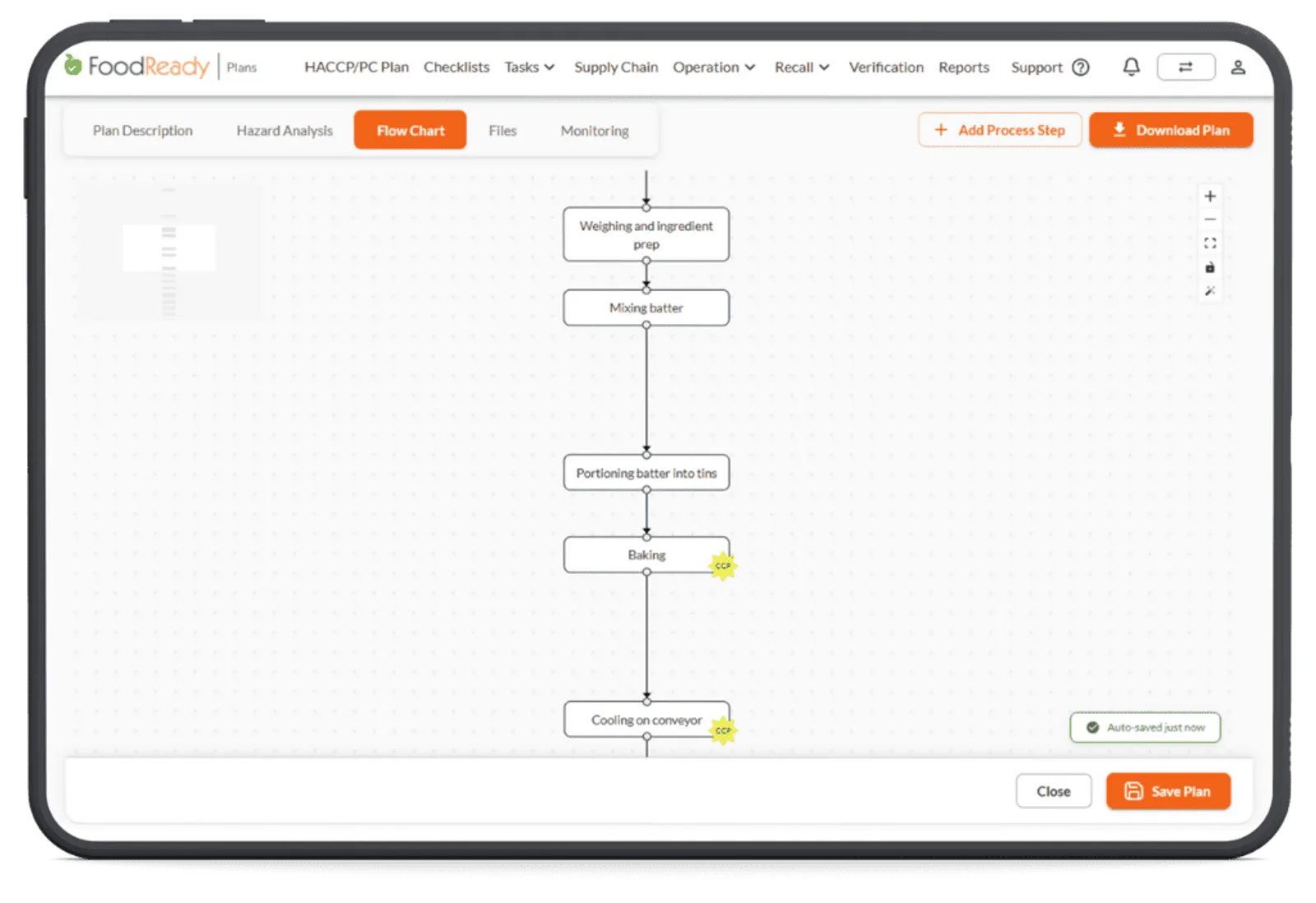
Bakery hazard analysis and example critical limits
Bakery hazards vary by ingredients and product type. Raw flour, eggs, nuts, dairy, allergens, post-bake exposure, refrigerated fillings, and foreign material all require evaluation.
| process step | hazard | type | control measure | critical limit |
|---|---|---|---|---|
| Ingredient receiving | Salmonella or other pathogens in raw flour, eggs, nuts, seeds, cocoa, or other ingredients | Biological | Approved suppliers, specifications, COAs where appropriate, lot identification, and supplier verification | Ingredients meet approved supplier and microbiological specifications |
| Ingredient storage / scaling | Undeclared allergens or allergen cross-contact from wheat, milk, egg, soy, peanuts, tree nuts, sesame, or other allergenic ingredients | Chemical | Segregation, controlled formulas, dedicated or cleaned utensils, rework control, line clearance, and label verification | Correct formula and allergen declaration for every batch / SKU |
| Baking CCP-1 | Survival of vegetative pathogens due to inadequate baking | Biological | Validated product-specific baking time and temperature profile | Meet the scientifically supported bake profile established for the specific product; record actual oven / product parameters as defined by the plan |
| Cooling / post-bake handling | Post-lethality contamination from employees, equipment, utensils, condensate, or the processing environment | Biological | Sanitation controls, hygienic zoning, protected cooling, employee hygiene, and environmental monitoring where appropriate | Meet sanitation and environmental-control procedures before product release |
| Filling / icing | Pathogen growth in cream, custard, dairy, egg, or other time/temperature control fillings | Biological | Validated preparation, cooling, handling, and refrigerated storage controls | Maintain TCS fillings / finished products at ≤5°C (41°F), unless a validated product-specific process supports another limit |
| Metal detection CCP-2 | Metal fragments from mixers, dividers, slicers, conveyors, or packaging equipment | Physical | Validated metal detector or equivalent foreign-material control with routine challenge checks | Detector sensitivity and verification checks meet the facility's validated specification |
| Finished storage CCP-3 | Pathogen growth in refrigerated cream-filled or other TCS bakery products | Biological | Maintain refrigerated storage and distribution conditions appropriate to the product | ≤5°C (41°F) for TCS products, or the facility's stricter validated product-specific limit |
Prerequisite programs that support the plan
A bakery HACCP plan depends on strong supplier controls, sanitation, allergen management, formula control, equipment maintenance, employee hygiene, and traceability.
Supplier approval
Specifications and verification for flour, eggs, dairy, nuts, seeds, chocolate, fillings, and packaging.
Allergen control
Segregation, scheduling, cleaning, utensils, rework, formula, and label controls.
Sanitation
Cleaning, sanitizing, pest control, and post-bake hygiene practices.
Personnel hygiene
Handwashing, illness reporting, training, and ready-to-eat product handling.
Formula & rework control
Approved recipes, batch records, rework identification, and ingredient verification.
Equipment & maintenance
Mixers, ovens, proofers, slicers, conveyors, detectors, and thermometers.
Temperature control
Refrigerated ingredients, TCS fillings, cooling, finished storage, and distribution.
Traceability & recall
Ingredient lots, batch coding, finished product linkage, and recall readiness.
Logs, SOPs, and supply chain documents
Bakery records should show that ingredient, allergen, baking, sanitation, foreign-material, labeling, and storage controls are consistently implemented.
Logs & records
Evidence that the bakery food-safety system is operating.
- Ingredient receiving and lot log
- Batch / formulation record
- Baking / oven monitoring log
- Refrigerated filling / storage temperature log
- Metal detector verification log
- Corrective action forms
SOPs
Repeatable steps that mitigate hazards.
- Allergen changeover and cleaning
- Post-bake handling and sanitation
- Rework control
- Thermometer / instrument calibration
- Label verification and line clearance
- Handling refrigerated cream / custard fillings
Supply chain documents
Controls that reach beyond your facility.
- Supplier food-safety documentation
- Ingredient and product specifications
- Certificates of analysis where applicable
- Allergen statements
- Bake-process validation support
- Shelf-life and storage support
Who needs a Bakery HACCP plan
Commercial bakeries generally operate under FDA current good manufacturing practice and preventive controls requirements. Retail bakeries may also be subject to state and local food codes, especially when they prepare refrigerated cream, custard, dairy, egg, or other time/temperature control foods.
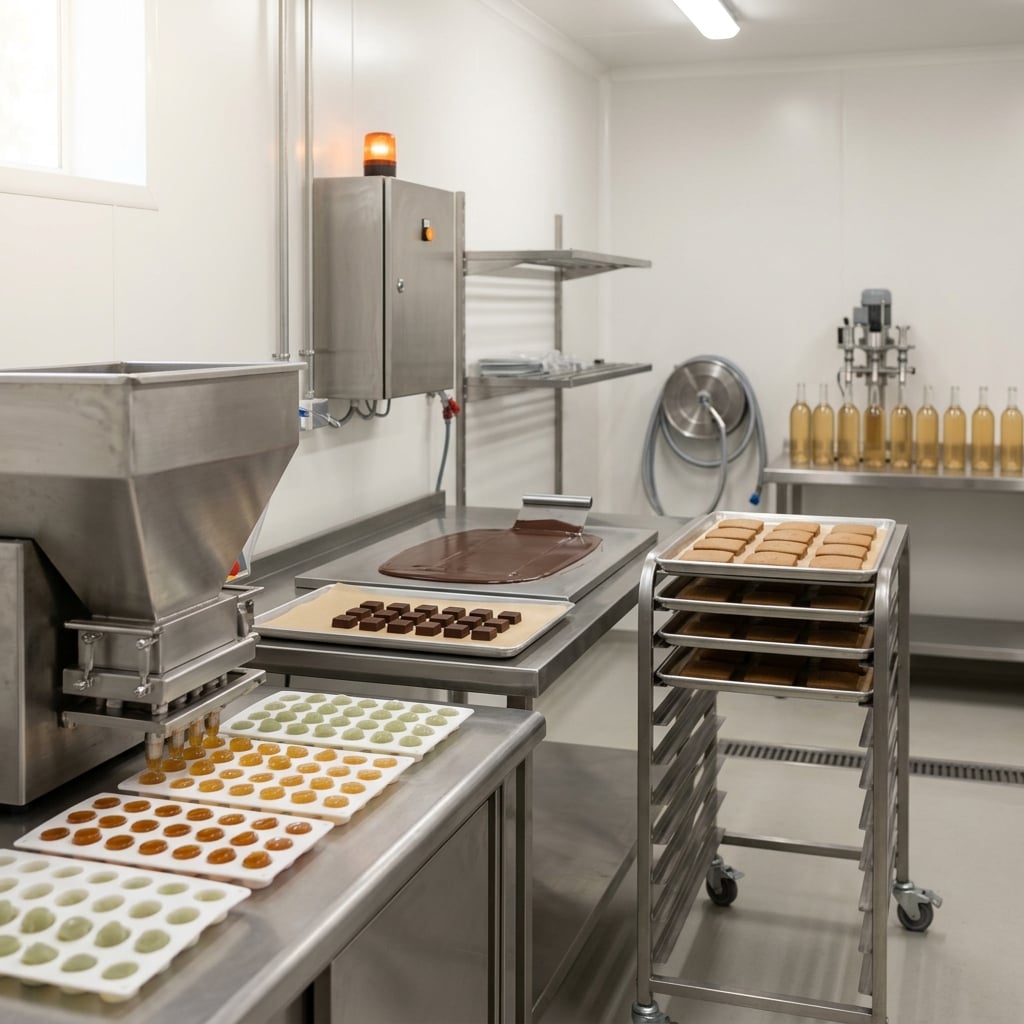
Commercial bakery
Bread, cake, pastry, cookie, and snack manufacturers
Facilities manufacturing packaged bakery products should evaluate biological, chemical, and physical hazards associated with flour, eggs, dairy, nuts, seeds, chocolate, fillings, baking, cooling, post-bake handling, allergens, foreign material, and packaging.
- FDA · 21 CFR Part 117 · cGMP & Preventive Controls
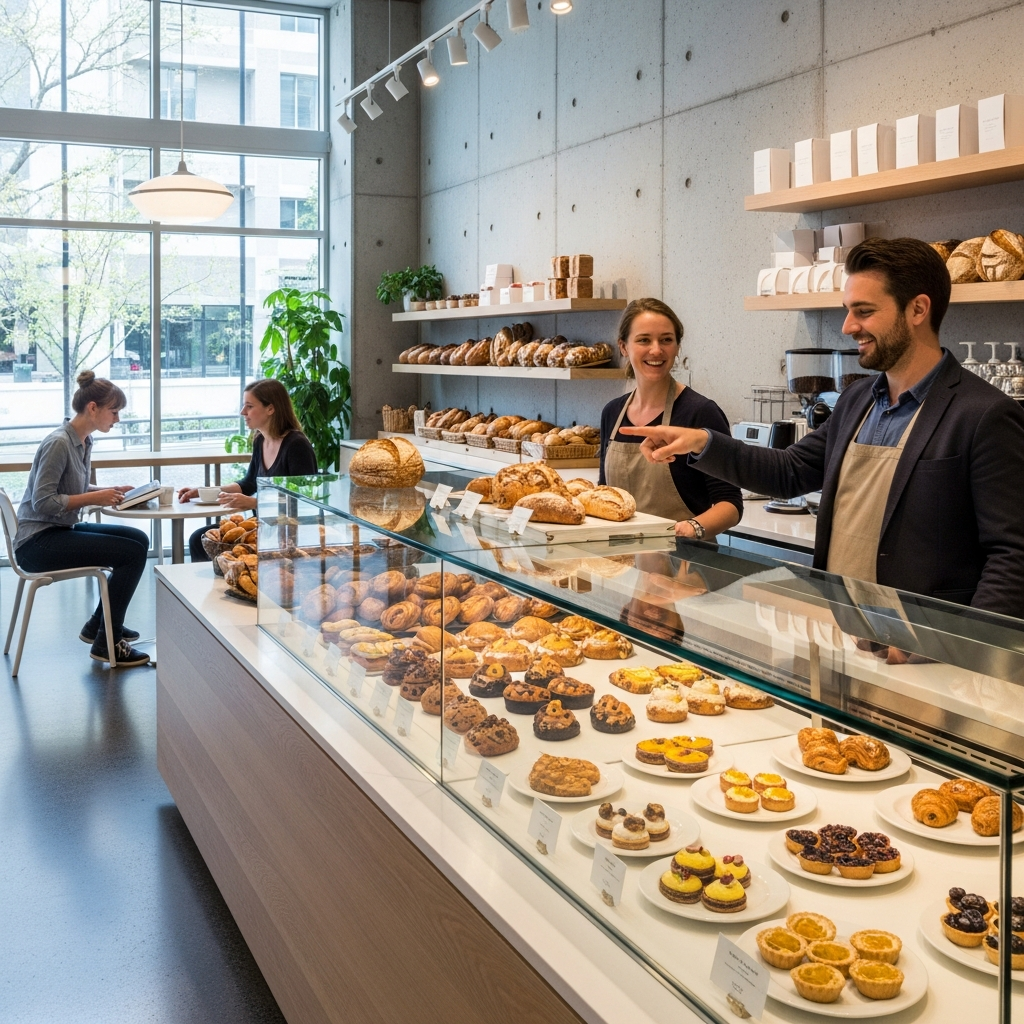
Retail & refrigerated bakery
Retail bakeries and bakeries with cream-filled products
Operations producing cheesecakes, custards, cream pies, mousse, dairy-filled pastries, and similar products may need strict cooking, cooling, refrigerated storage, and employee-hygiene controls based on the product and local food code.
- FDA Food Code principles · State / local requirements
Additional components for a complete Bakery HACCP program
These elements help demonstrate that bakery hazards are controlled through a complete food-safety system, not only through individual CCP checks.
Validation & scientific support
Support baking and shelf-life controls
Keep scientific or technical support for any baking lethality step, refrigerated filling controls, pH or water-activity controls, and shelf-life assumptions used to manage significant hazards.
Validation should reflect the actual product formula, size, oven, process, packaging, and storage conditions.
Verification & food safety plan
Verify preventive controls and records
Verification may include monitoring review, calibration, sanitation verification, allergen checks, metal-detector checks, corrective-action review, and supplier verification.
Facilities subject to 21 CFR Part 117 should maintain the hazard analysis and preventive-control elements applicable to their operation.

Dave Seddon
Every FoodReady HACCP template is built and reviewed by practicing food safety professionals, then aligned to current FDA guidance. This sushi plan follows the seafood hazards and controls that auditors expect to see, so you start from a defensible baseline rather than a blank page.
- SQF Lead Auditor
- FDA Seafood HACCP
- SOC 2 Type II platform
Bakery HACCP, answered
Does a bakery need a HACCP plan?
A bakery may not be subject to a commodity-specific federal HACCP regulation, but commercial bakery facilities can be subject to FDA cGMP and preventive controls requirements. HACCP principles are also widely used to structure hazard analysis, controls, monitoring, corrective actions, and verification.
What hazards should a Bakery HACCP plan consider?
Depending on the product, hazards can include Salmonella in raw flour, eggs, nuts, seeds, cocoa, or other ingredients; undeclared allergens; post-bake contamination; temperature abuse of cream or custard fillings; and physical hazards such as metal fragments.
Is baking always a CCP?
No. Baking may be designated as a CCP when it is relied upon as the primary lethality control for a significant biological hazard, but the decision should come from the facility's hazard analysis. The time-temperature profile should be scientifically supported for the specific product and process.
Which bakery products need refrigeration?
Products containing cream, custard, dairy, egg, mousse, cheesecake, or other time/temperature control fillings may require refrigeration. A common control is 5°C (41°F) or below, but the actual requirement should be based on the formulation, pH, water activity, shelf life, and applicable regulatory requirements.
Why is allergen control so important in bakeries?
Bakeries frequently handle wheat, milk, egg, soy, peanuts, tree nuts, sesame, and other allergenic ingredients on shared equipment. Formula control, scheduling, cleaning, rework management, line clearance, and accurate labeling are therefore central parts of the food-safety system.
Start your Bakery HACCP plan today
Begin with a reviewed bakery-processing template, customize the hazards and controls for your products, and organize monitoring, corrective actions, allergen controls, sanitation, validation, verification, and traceability records in one place.
Speak with our Expert Consultants
15–30 minutes. We map FoodReady to your process, plug in your real HACCP plan, and show you the auditor view before the call ends.